SABECO secures top brand recognition at national and international awards

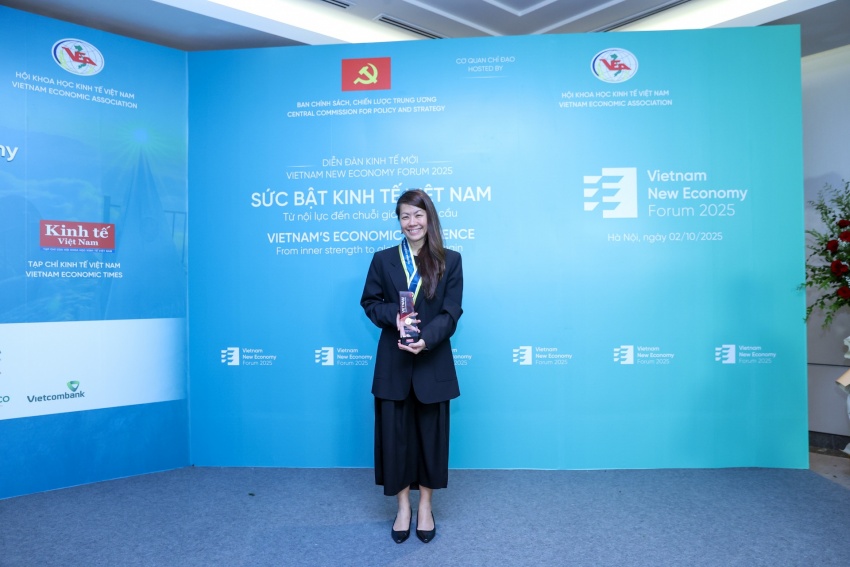
On October 2, the brewer was named among the Top 10 Reputable Brands at Vietnam’s Excellent Brand Awards 2025 by VnEconomy. SABECO also secured fourth place in Forbes Vietnam’s “Top 25 Leading Listed Brands” and ranked among the Top 5 Reputable Beverage Companies 2025 by VNReport.

This recognition marks the third time SABECO has appeared in Forbes’ Top 25 Leading Listed Brands and the ninth consecutive year in the Top 10 Most Reputable Food and Beverage Companies, underlining its consistent industry leadership.

The awards are the result of transparent and rigorous evaluations. Vietnam’s Excellent Brand Awards considers business performance, brand reputation, corporate culture, social responsibility, innovation, and international integration. Forbes Vietnam calculates brand value based on tangible and intangible assets, sector price-to-earnings ratios, and audited financial data. VNReport applies three key benchmarks: financial strength, media reputation, and stakeholder surveys.

SABECO secures top brand recognition at national and international awards
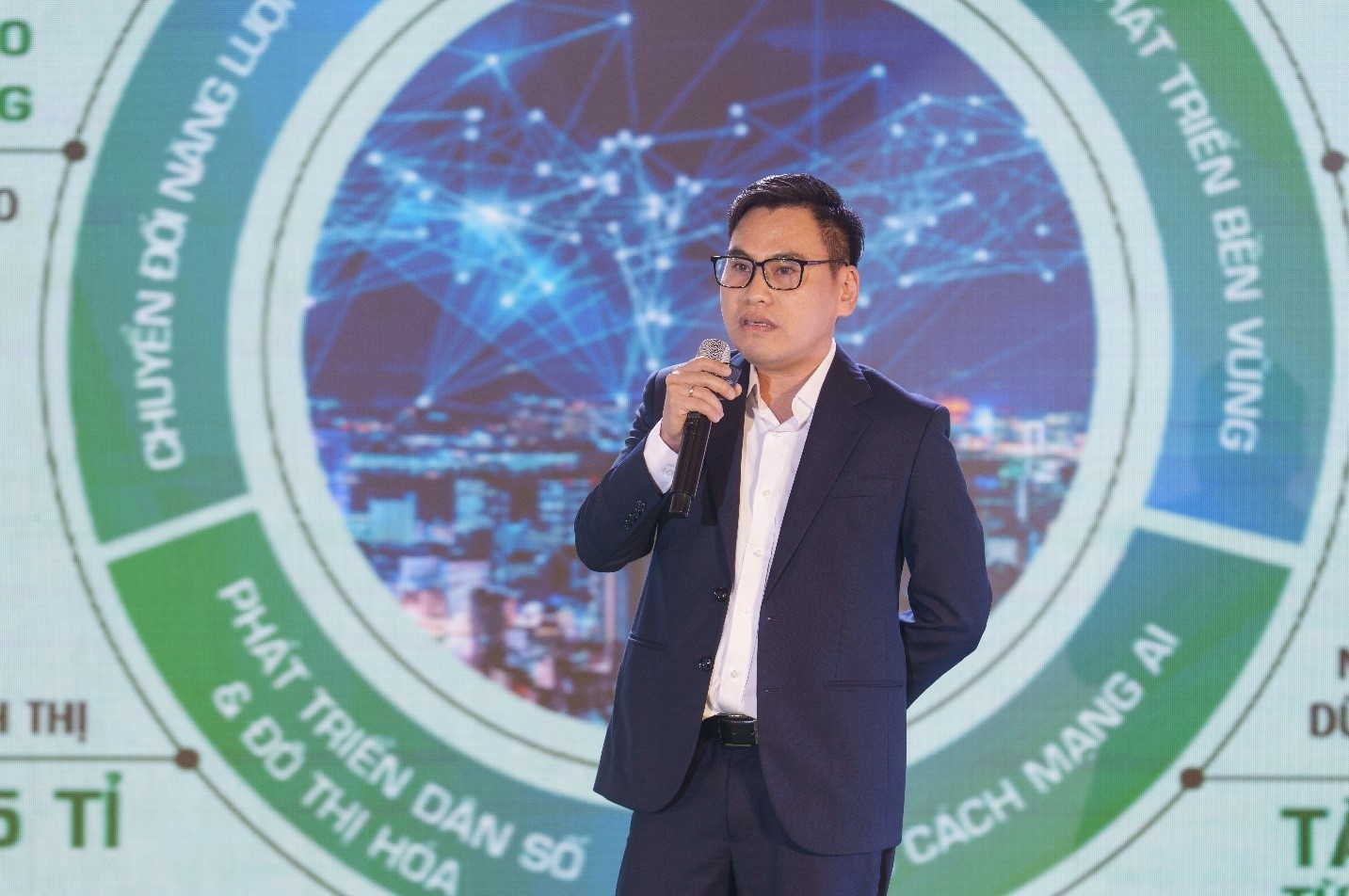
Lim Pei Chi Patsy, deputy general director of Marketing, SABECO, at the award ceremony

SABECO’s consistent presence in these rankings underscores its strong brand equity, sustained performance, and resilience in Vietnam’s highly competitive beverage market.

The brewer has also placed sustainability at the core of its growth. Since 2024, environmental, social, and governance (ESG) policies have been integrated into its key performance indicators, while a Sustainability and Risk Management Committee has been established at the Board of Directors level. SABECO has announced its Net Zero roadmap and publishes Sustainability Reports in line with standards from the Global Reporting Initiative

By the end of 2024, 64 per cent of SABECO’s breweries had installed solar power systems, cutting greenhouse gas emissions by 9.3 per cent and reducing water consumption per unit by 7.3 per cent. Renewable energy accounted for more than 40 per cent of total energy use, while more than 64 per cent of waste was recycled or reused. These results underscore the tangible progress of SABECO’s ESG strategy.

The company currently operates 25 breweries, 11 subsidiaries, and a nationwide distribution system of more than 200 outlets. This ecosystem generates tens of thousands of direct and indirect jobs. SABECO has also remained among the largest taxpayers in Vietnam, contributing significantly to state budget revenues.

In 2025, SABECO celebrates 150 years of heritage with a series of community activities being implemented.

With steady growth, ongoing sustainability efforts, and a long-standing heritage, SABECO remains a key player in Vietnam’s food and beverage sector, delivering lasting value to consumers and investors alike.

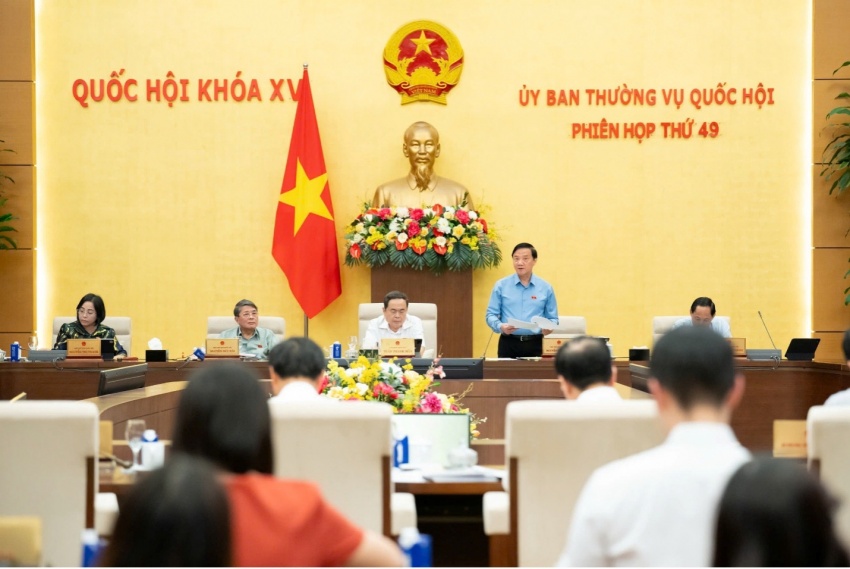
Minister of Science and Technology Nguyen Manh Hung made the statement at a meeting on September 23 with the National Assembly (NA) Standing Committee to discuss draft amendments to the law.

Hung said that enterprises will determine the value of IPR for internal management, then through an intermediary organisation. The valuation will be made public before a transaction in accordance with international practice.

Vietnam amends Law on Intellectual Property
The NA Standing Committee discussed the draft amendments to the IP law. Photo: National Assembly Portal

Responding to questions from some NA delegates about AI, he explained that using public data to train AI does not require copyright permission, as long as it is not copied verbatim because if it is banned, it will reduce competitiveness. Many countries such as Japan have legalised this regulation. For works created by AI, if the AI ​​is created without human participation, it is not protected and must be labelled; on the contrary, if humans use AI as a tool, it is still protected.

In the face of the fact that original news produced by press agencies is often used by aggregators, making greater profits while journalists have to put in more effort, Chairman of the NA Committee on Culture and Social Affairs Nguyen Dac Vinh suggested that the drafting agency should study and supplement regulations to protect the rights of the mainstream press. There should be an agreement mechanism among press agencies to ensure legitimate rights and create revenue.

Regarding this issue, Hung said that copying articles without agreement is a violation, especially on social networks and aggregator sites. The ministry will coordinate with the Ministry of Culture, Sports, and Tourism to clarify and ensure that no additional administrative procedures arise.

Vietnam amends Law on Intellectual Property
Minister of Science and Technology Nguyen Manh Hung. Photo: National Assembly Portal

Other comments from delegates on the legal responsibilities of intermediary platforms, decentralisation, and new concepts will be considered and specified in decrees and circulars to both ensure consistency in the legal system and avoid increasing procedural burdens.

NA Vice Chairman Nguyen Khac Dinh suggested that comments and ideas should be fully considered, especially on adding regulations for new IP subjects such as digital derivative products, AI, and big data. They should clearly specify the effective date, and add transitional provisions to avoid legal gaps.

The draft law is expected to create a modern legal corridor, and improve the protection and exploitation of intellectual property values, thereby contributing to promoting innovation, digital transformation, and international integration.

As planned, the draft amendments will be submitted to the NA’s 10th session in October.

Conforming to treaty via Law on IP Conforming to treaty via Law on IP

In the last few years, Vietnam has signed a certain number of international trade agreements which require Vietnam to accede to or approve the WIPO Copyright Treaty (WCT) within a prescribed time period. Partner Nguyen Thi Hong Anh and junior associate Vu Hoang Ha Thu of Indochine Counsel take a look at amendments and supplements made in the Law on Intellectual Property in June.

A helping hand for tech through altered IP law A helping hand for tech through altered IP law

The long-awaited amended Law on Intellectual Property is expected to boost innovation and commercialization of intellectual property assets in Vietnam once it takes effect in 2023. Huynh Thanh Dat, Minister of Science and Technology, talked to Hoang Giang about the important highlights that will create breakthroughs in the field.

Vietnam ranks 44th in 2025 WIPO Global Innovation Index Vietnam ranks 44th in 2025 WIPO Global Innovation Index

Vietnam has maintained 44th position in the global innovation ranking for 2025, according to the World Intellectual Property Organization (WIPO).

WIPO director general to visit Vietnam WIPO director general to visit Vietnam

Director general of the World Intellectual Property Organization (WIPO) Daren Tang will visit Vietnam on September 25-26 at the invitation of the Ministry of Science and Technology, aiming to expand cooperation in the field of intellectual property and innovation.

For over 50 years, CADIVI has stayed committed to delivering high-quality electric wires and cables with proven reliability.

From its first domestically branded cable coils, CADIVI has pursued a clear mission of ‘Bringing light to every place’, powering factories, cities, rural communities, and millions of homes.

This steady dedication has made a meaningful contribution to Vietnam’s industrialisation and modernisation cause.

CADIVI celebrates 50-year track record in Vietnam’s electric cable industry

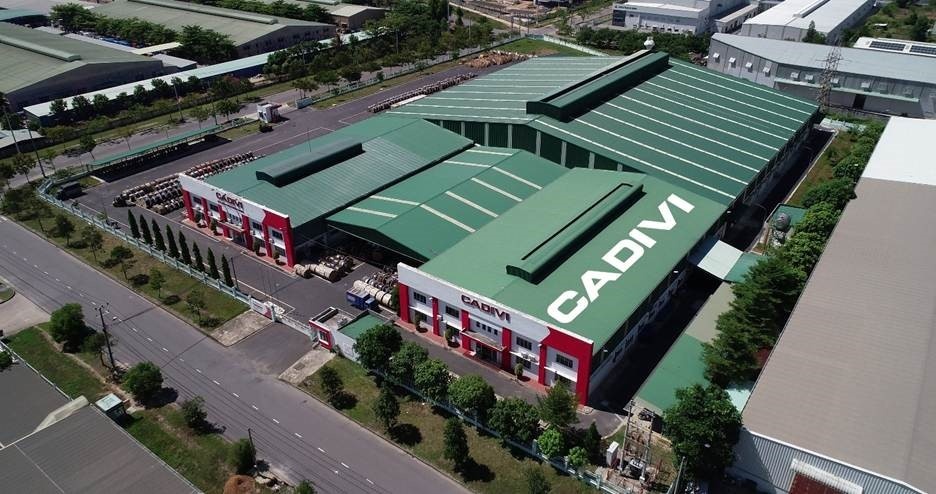
CADIVI is marking 50 years of operation and innovation

CADIVI has made its mark on landmark projects such as the undergrounding of Ho Chi Minh City’s power grid; the 500kV North-South transmission line – ‘the backbone’ of Vietnam’s national grid; the Ben Thanh–Suoi Tien Metro Line 1; the Deo Ca Tunnel, and renewable energy developments in Ninh Thuan province (now part of Khanh Hoa province) and the Central Highlands.

Beyond domestic success, CADIVI has broken into demanding global markets, including the US, Australia, South Korea, and Japan, by meeting strict international technical standards.

With trademark protection in eight countries and a presence in over 14 export markets, CADIVI stands as a competitive, world-ready Vietnamese brand on the rise.

CADIVI celebrates 50-year track record in Vietnam’s electric cable industry

CADIVI has made its mark on national projects

In alignment with its founding principles, CADIVI consistently prioritises quality and reputation in all operations.

The company continually innovates, aligning with international standards to produce top-tier electric wires and cables. Driven by a commitment to excellence, CADIVI is dedicated to delivering maximum value to its customers through superior products and service.

CADIVI invests heavily in research and development to stay ahead of technology trends, applying advanced solutions to improve efficiency and deliver high-performance products that meet evolving market demands.

As a result, the company has launched a new line of environmentally friendly electrical wires featuring lead-free insulation and low-smoke, halogen-free flame-retardant materials.

This initiative strengthens both electrical safety and environmental responsibility, reinforcing CADIVI’s commitment to sustainable, socially conscious innovation.

Alongside its core business operations, CADIVI remains committed to giving back to the community. A standout example is its Afforestation Programme, through which 3,000 trees were planted across six watershed forests in Vietnam.

The initiative reflects the company’s commitment to sustainability, restoring ecosystems, reducing carbon impact, and promoting green living.

CADIVI proudly celebrates key milestones, including being recognised as a ‘High-Quality Vietnamese Product’ for 29 consecutive years and a ‘National Brand’ for nine years running.

These honours are more than accolades, they reflect the enduring trust earned from generations of customers, partners, and the wider community.

CADIVI celebrates 50-year track record in Vietnam’s electric cable industry

Ho Quang Nhan, general director of CADIVI

“We believe a business should be more than an economic engine; it should be a driving force in national development, where innovation and responsibility come together to create lasting value,” said Ho Quang Nhan, general director of CADIVI.

CADIVI’s journey reflects its renewing spirit, drive for innovation, and strong sense of social responsibility. Prestigious awards and major achievements in production, business, and digital transformation affirm its position as a leading national brand, strong today and ready for the future.

Dragon Capital becomes large shareholder of GELEX Dragon Capital becomes large shareholder of GELEX

Dragon Capital has just bought 813,110 shares to raise its ownership to 5.05 per cent in Vietnam Electrical Equipment JSC (GELEX).

CADIVI launches new line of eco-friendly cables CADIVI launches new line of eco-friendly cables

Vietnam’s leading brand in the electrical wire and cable market, Vietnam Electric Cable Corporation (CADIVI), has officially introduced a new line of eco-friendly electrical wires, using lead-free (LF) insulation and low smoke halogen free (LSHF) materials.

Singtel and Viettel to develop VTS Cable System Singtel and Viettel to develop VTS Cable System

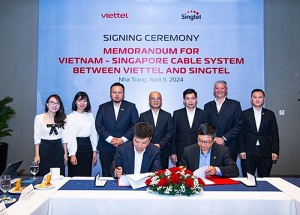
Singapore Telecommunications (SingTel) reached a deal with Viettel on April 11 to jointly develop the Vietnam – Singapore Cable System (VTS) to directly link Vietnam and Singapore.

Private sector set to power Thai Nguyen’s post-merger economy

Following the administrative merger of Thai Nguyen and Bac Kan provinces on July 1, the population size, geographical scope, economic structure, spatial planning, and enterprise development needs have undergone significant changes. It is essential to enhance activities and policy mechanisms to support the private economy’s growth while implementing simplified, transparent, and efficient administrative procedures for business registration and startup activities. This aims to foster both the quantity and quality of the private economy in the new era.

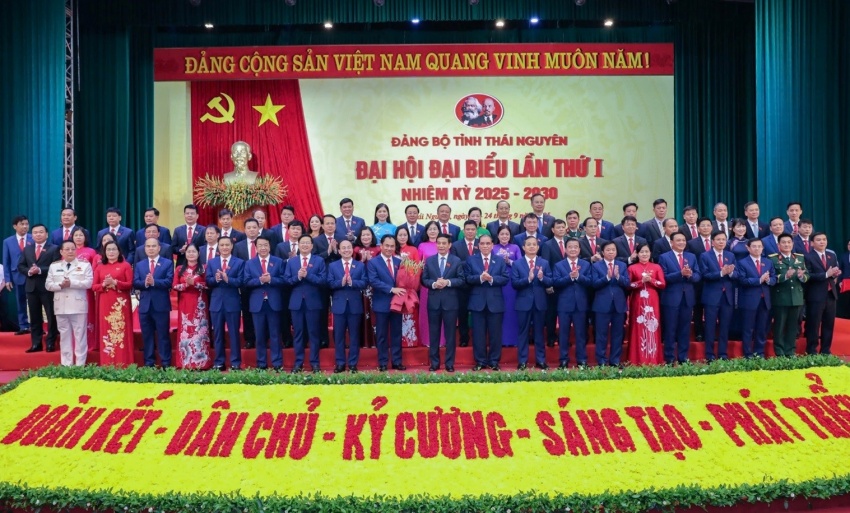
At the first Thai Nguyen Party Congress for the 2025–2030 term on September 22, the Department of Finance outlined the province’s private sector development strategy to 2030, with a vision to 2045. The plan positions the private economy as a key growth driver, taking the lead in science, technology, innovation, and digital transformation, while contributing to the implementation of Resolution No.57-NQ/TW and other Party guidelines and policies.

Looking towards 2045, the private economy in the province is expected to grow rapidly, robustly, and sustainably, proactively participating in global production and supply chains with high competitiveness in the region. The goal is to have approximately 35,000 enterprises operating in the economy by 2045, contributing over 60 per cent to the province’s regional GDP.

To achieve these objectives, one proposed solution is to continue pushing administrative reforms, streamlining the apparatus, and simplifying administrative procedures to make them accessible and easy for businesses and citizens to navigate.

Additionally, the province needs to accelerate digital transformation, applying technology to streamline administrative procedures, state management, and support businesses in handling procedures and documents electronically.

A key solution proposed by the Department of Finance is to establish a platform to support startups, expand the one-stop-shop model, synchronise information systems for handling specialised administrative procedures, and ensure inter-agency connectivity. Simultaneously, policies to support startups for disadvantaged groups and specific regions should be developed.

The Department of Finance outlined a roadmap to 2030 with specific tasks. In the 2025–2026 phase, the province will focus on developing and issuing a standardised set of administrative procedures province-wide and piloting the “One-Stop Startup Support” model in 10 wards and communes, while providing training for all staff handling applications at the ward and commune levels.

In the 2026–2028 phase, the ‘One-Stop Startup Support’ model will be expanded across the province. This is also the appropriate time to launch the Thai Nguyen Startup Support Portal. From 2028 to 2030, the province will maintain and upgrade the digitalised administrative support system while conducting evaluations based on key indicators namely the number of new enterprises, business satisfaction levels, and average processing times for applications.

A new era of growth

The merger with Bac Kan has expanded Thai Nguyen’s development space and scale, opening diverse opportunities for robust growth. For the 2025–2030 term, the province targets becoming a modern industrial centre with high average income by 2030, aiming for annual economic growth of 10.5 per cent and contributing to the national goal of double-digit growth in 2026–2030.

Private sector set to power Thai Nguyen’s post-merger economy
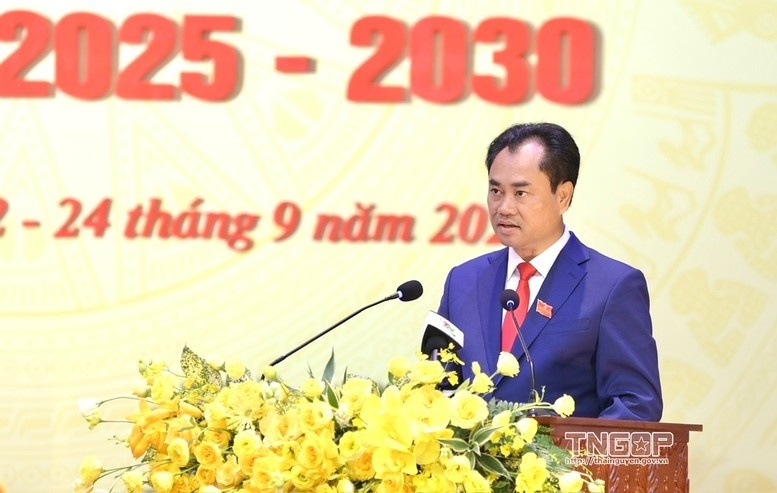
Trinh Viet Hung, alternate member of the 13th Party Central Committee, Deputy Secretary of Thai Nguyen Party Committee and Chairman of Thai Nguyen People’s Committee

In his opening speech at the Congress, Trinh Viet Hung, alternate member of the 13th Party Central Committee, Deputy Secretary of Thai Nguyen Party Committee and Chairman of Thai Nguyen People’s Committee declared, “The Party Committee has outlined seven key tasks and three important development areas, focusing on developing synchronised and modern infrastructure, advancing science, technology, innovation, digital transformation, improving human resource quality, making the private economy a key economic driver, and promoting green and circular economies.”

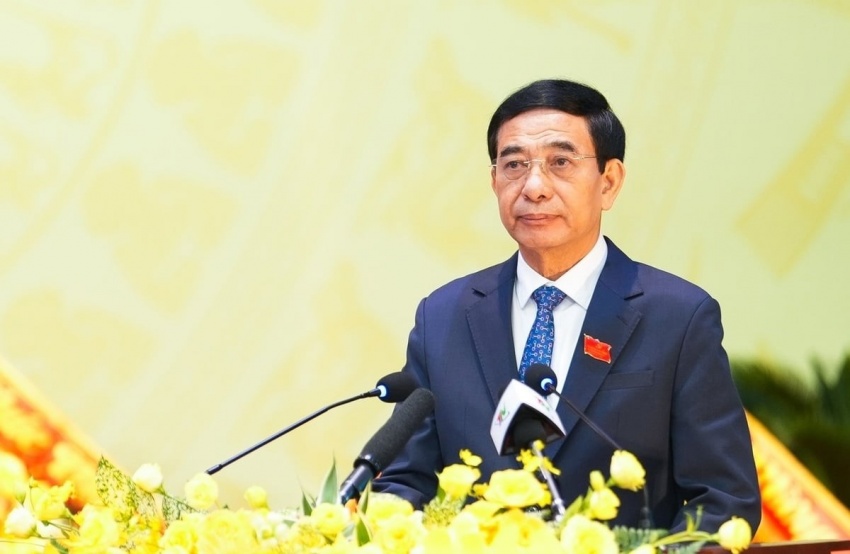
Speaking at the Thai Nguyen Party Congress, General Phan Van Giang, Politburo Member and Minister of Defence, said “The province must prioritise building synchronised, modern infrastructure; advancing science, technology, innovation, digital transformation, and workforce quality; and positioning the private sector as a key economic driver alongside green and circular growth. Immediately after the Congress, the Thai Nguyen Party Executive Committee should issue an action plan and mobilise resources for implementation.”

Private sector set to power Thai Nguyen’s post-merger economy
General Phan Van Giang, Politburo Member and Minister of Defence

General Phan Van Giang urged the province to strengthen planning and planning management, clearly defining its role within the northern key economic region and the capital region, with a focus on regional connectivity to drive growth and affirm its position as a hub for the northern midland and mountainous area.

“Prioritise the development of high-tech industries with strong competitive advantages, environmental sustainability, and efficient use of land and labour,” he stressed. “Give particular attention to attracting key sectors such as supporting industries, electronics, IT, and deep mineral processing.”

Thai Nguyen emerges as a catalyst for Vietnam’s low-carbon future Thai Nguyen emerges as a catalyst for Vietnam’s low-carbon future

As the global economy accelerates its shift towards sustainability and carbon neutrality, Thai Nguyen province is positioning itself at the forefront of Vietnam’s green transition.

Thai Nguyen targets green and sustainable agricultural sector Thai Nguyen targets green and sustainable agricultural sector

Thai Nguyen province is implementing comprehensive solutions to develop green, smart, and sustainable production zones, thereby enhancing the value of agricultural products and adapting to climate change.

Thai Nguyen to host first Party Congress since merger with Bac Kan Thai Nguyen to host first Party Congress since merger with Bac Kan

Thai Nguyen is preparing for a pivotal political milestone as the province convenes its first Party Congress since merging with Bac Kan, outlining priorities and goals for the 2025–2030 development phase.

Thai Nguyen opens first Party Congress since Bac Kan merger Thai Nguyen opens first Party Congress since Bac Kan merger

Thai Nguyen Party Committee has opened its first congress for the 2025–2030 term, a significant milestone following its recent merger with Bac Kan province.

To support Vietnamese enterprises in building a safe and sustainable digital environment, tech giant FPT Corporation, in collaboration with Aon, a global professional services firm that offers a wide range of risk-mitigation products, held a conference themed ‘Cybersecurity and Insurance – Dual Shields Against Digital Threats’ on September 26 in Ho Chi Minh City.

The event brought together technology, cybersecurity, and governance leaders from the banking–finance, healthcare, energy, and logistics sectors. Discussions extended beyond defensive solutions for cyber incidents, placing particular emphasis on the importance of risk management as a core component of sustainable development strategies.

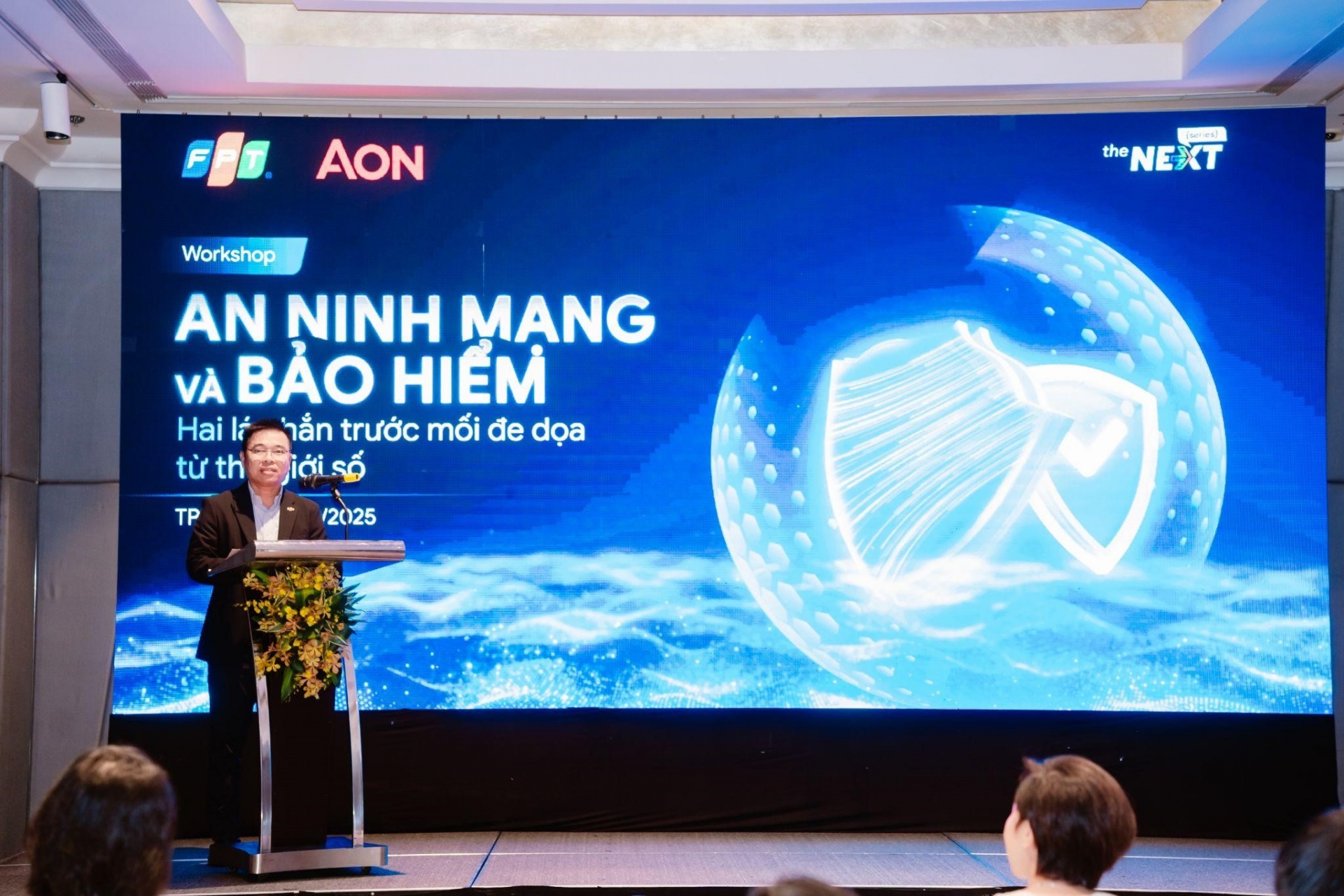
Speaking at the event, Dang Truong Thach, executive vice president at FPT IS, FPT Corporation, highlighted the growing financial impact of cybercrime.

“Losses from cyberattacks are increasing rapidly each year. From $9.5 trillion in 2024, the figure could reach $17.9 trillion by 2030. This growth illustrates the escalating danger of cyber threats and the urgent need to strengthen security in today’s complex digital environment. Businesses are not only facing financial risks, but also customer distrust, operational disruption, and reputational damage,” he said.

FPT and Aon join forces with enterprises to build strong digital shield
Dang Truong Thach, executive vice president at FPT IS, FPT Corporation

Nguyen Thanh Binh, global cybersecurity consultant at FPT IS, noted that AI is both a hugely powerful tool and a potentially dangerous weapon.

“With its superhuman speed and analytical accuracy, AI delivers substantial benefits to enterprises. However, alongside these advantages, it also exposes vulnerabilities that can be exploited by malicious actors, while ordinary users may be easily exposed to risks if they are not adequately equipped, governed, and guided,” said Binh.

AI poses a dual challenge: externally, by enabling hackers to generate sophisticated malware and execute advanced phishing schemes; and internally, where risks arise from employees unintentionally leaking data, violating compliance requirements, or over-relying on AI in ways that undermine business operations and corporate reputation.

FPT and Aon join forces with enterprises to build strong digital shield
Nguyen Thanh Binh, global cybersecurity consultant at FPT IS, FPT Corporation

To address this, Binh proposed a unified strategy centred on the integration of Security Operations Centres (SOC) and Governance, Risk and Compliance (GRC).

The SOC functions as the ‘central nervous system’, continuously monitoring IT infrastructure and detecting even AI-generated malware through a combination of behavioural analytics and traditional signature-based detection.

Meanwhile, GRC strengthens internal governance by developing policies, processes, and data controls, ensuring regulatory compliance, and fostering employee awareness of risk and security principles in AI adoption.

This connection between SOC and GRC provides enterprises with a comprehensive shield against increasingly complex risks. For example, if the SOC detects unusual activity from an employee, this data can be escalated to GRC for analysis, leading to targeted training, process adjustments, or the introduction of new controls.

Cyber ​​insurance: the financial shield

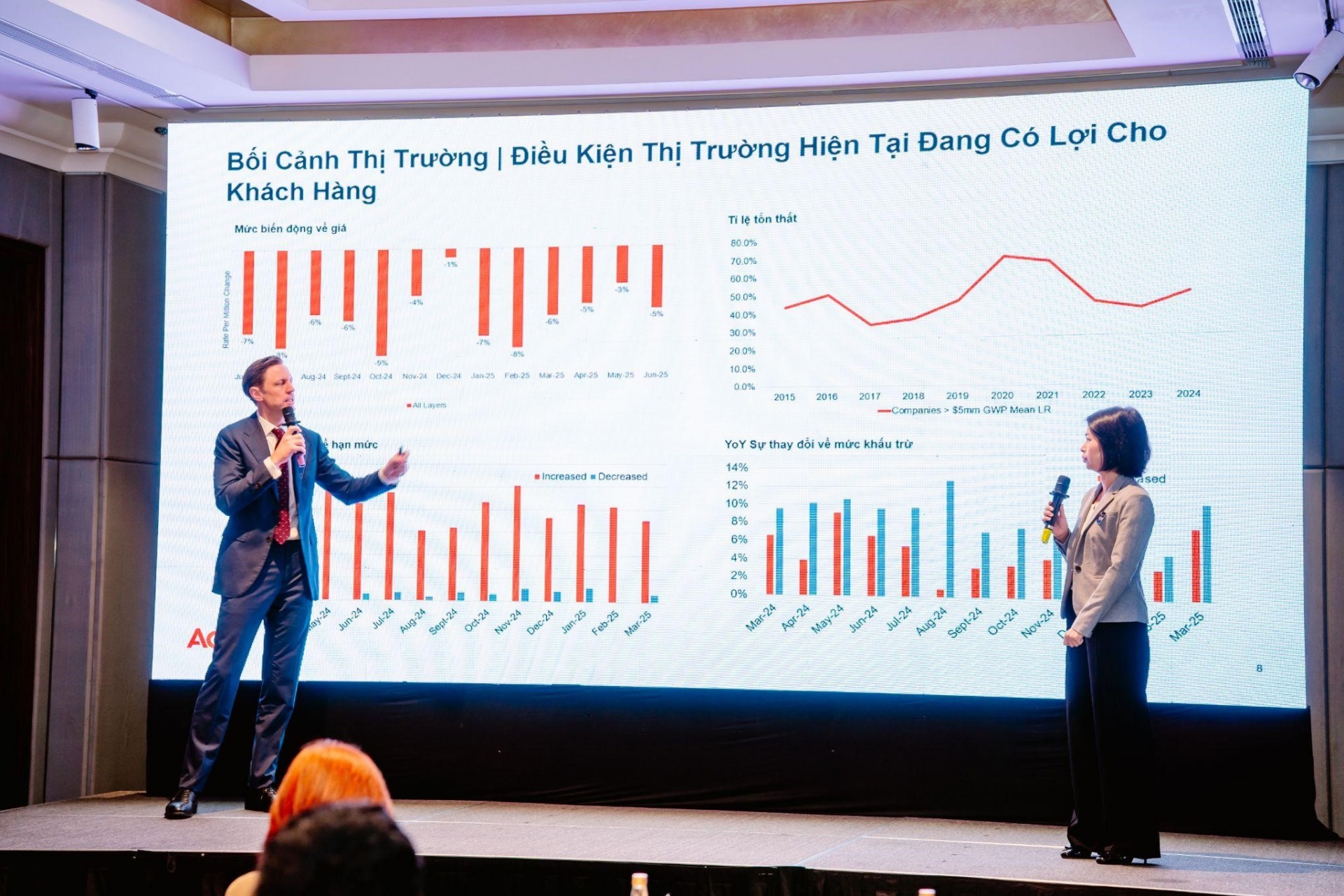
The second half of the conference focused on cyber insurance as a financial safeguard against digital risks. Representatives from Aon – Andrew Mahony, cyber s​olutions leader, Asia, and Dang Ngoc Lien, country leader, financial service and professional group, provided insights from the insurance market.

They remarked, “About 10 years ago, when discussing cyber risks or cyber insurance, these were largely theoretical concepts, seen as distant and impractical, especially in Asia. Over the past decade, however, we have witnessed significant progress in both cybersecurity and cyber insurance.”

FPT and Aon join forces with enterprises to build strong digital shield
Aon’s presentation about the cybersecurity insurance ‘shield’ for enterprises

The market has transformed with major shifts, moving from the ‘hard’ conditions of the COVID-19 era, driven by rampant ransomware, to a ‘soft’ market today offering greater flexibility and more affordable premiums.

However, the sharp increase in claims since 2024 indicates that the market will soon tighten again, making this the right moment for businesses to invest.

To access effective coverage, enterprises must demonstrate their cybersecurity readiness through measures such as multifactor authentication, data backups, and 24/7 SOC operations, while also partnering with technology providers like FPT to demonstrate strong risk management practices. Such preparation enables businesses to secure more favourable policy terms and premiums.

The collaboration between FPT and Aon provides enterprises with a unique advantage. FPT fortifies defences through comprehensive security solutions, while Aon advises on risk and brokers insurance using tools such as Security Quotient and Cyber ​​Risk Analyser. These tools help businesses quantify risks, optimise policy limits and costs, and strengthen their negotiating positions with insurers.

The conference concluded with a clear message: in the digital era, the ‘dual shield’ – combining FPT’s integrated security strategy with Aon’s cyber insurance solutions – offers the most effective protection for enterprises.

Beyond securing technology, strengthening internal governance, and raising employee awareness, this dual approach also establishes a strong financial foundation, enabling businesses to grow sustainably and confidently navigate an increasingly volatile digital landscape.

ATEC and FPT team up to drive innovation in Japan's automotive industry ATEC and FPT team up to drive innovation in Japan’s automotive industry

FPT and ATEC, a Japanese automotive software development firm, have signed an MoU to establish a strategic partnership aimed at continuously innovating in the automotive sector and advancing safer, smarter, and more connected mobility.

FPT partners with ABOV Semiconductor on chip development FPT partners with ABOV Semiconductor on chip development

FPT has signed strategic agreements with ABOV Semiconductor and Gachon University to advance semiconductor technology development and foster high-quality human resource training between Vietnam and South Korea.

FPT boosts presence in South Korea FPT boosts presence in South Korea

Vietnamese technology group FPT is strengthening its footprint in the South Korean market to drive AI-powered low-code adoption globally.

At AWS Cloud Day Vietnam 2025 on September 18 in Hanoi, AWS and Strand Partners released the results of a survey examining AI adoption, innovation, and economic competitiveness in Vietnam. The survey gathered insights from 1,000 businesses and 1,000 citizens, assessing how companies and individuals are adapting to AI.

Nick Bonstow, director at Strand Partners, said, “We are at a pivotal moment in the digital transformation journey for Vietnam, with AI adoption rates accelerating significantly.”

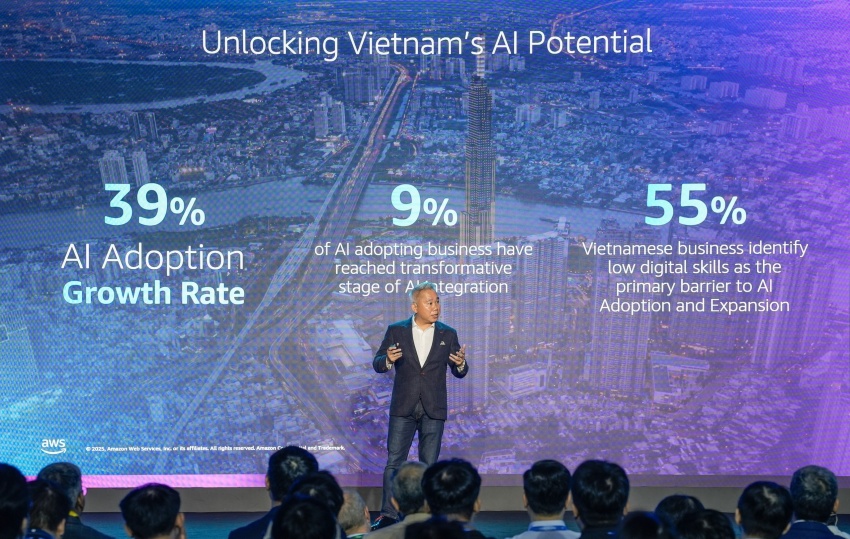
The survey found that 18 per cent of Vietnamese firms now use AI regularly, up from 13 per cent a year ago, representing growth of 39 per cent on-year.

Companies that have adopted AI are seeing tangible benefits: 61 per cent report increased revenue, with an average gain of 16 per cent.
Vietnamese firms accelerate AI adoption amid untapped potential
Eric Yeo, Country general manager, AWS Vietnam at AWS Cloud Day 2025. Photo: AWS

66 per cent of those who have adopted AI have already experienced productivity gains. These productivity gains are coming from a wide range of sources, especially through enhancing customer service and relationships (35 per cent), and the automation of routine tasks (29 per cent).

Nick Bonstow, however, admitted that while AI adoption is increasingly widespread around Vietnam, many are not yet harnessing AI for its more advanced purposes. 74 per cent of businesses remain focused primarily on more basic uses of AI, and on incremental gains (e.g., driving efficiencies and streamlining processes), rather than innovation (e.g., developing new products or disrupting industries).

A smaller share, 17 per cent of Vietnamese businesses, have advanced to the intermediate stage of AI integration. And only 9 per cent of Vietnam companies have reached the most transformative stage, where they are using AI for its most advanced purposes.

Regarding startups, they aren’t just using AI – they’re building entirely new products and business models around it that would have been impossible just years ago. 55 per cent of startups say they are leveraging AI in some way throughout their business.

31 per cent have AI at the core of their business proposition. 35 per cent of startups are developing new AI-driven products and services. Looking ahead, 91 per cent of startups believe AI will fundamentally transform their industry within the next five years.

For large enterprises, their adoption of AI is strong, but their adoption is more basic and focused on incremental gains such as driving efficiencies, rather than innovation. 41 per cent of large enterprises are using AI, compared with 55 per cent of startups.

“This risks a two-tier AI economy, where startups are surging ahead with AI integration and adoption. If not addressed, this two-tier AI economy – with tech-driven startups outpacing larger enterprises in AI innovation – could shape Vietnam’s economic future,” said Nick Bonstow.

According to the representative of Strand Partners, moving beyond basic AI use for businesses of all sizes is key to unlocking the full benefits of AI for Vietnam’s economy and society. The potential economic impact is significant; in 2023, cloud and cloud-enabled AI contributed $1.5 billion to Vietnam’s GDP.

Further research estimates that across the Asia-Pacific region, cloud and cloud-enabled AI together could contribute up to $2.9 trillion, with $203 billion coming from AI alone.

Despite these, Nick Bonstow shared that businesses said that several barriers are limiting them from adopting the technology more profoundly. They include lack of skilled workers a top reported barrier, compliance and perceived costs, regulatory uncertainty.

“Vietnam has the right tools and the ambition to lead in AI,” said Eric Yeo, Country general manager, AWS Vietnam. “We encourage policymakers and industry leaders to take action to unlock Vietnam’s AI potential across both startups and large enterprises, by boosting digital skills training, providing clarity in regulation and adopting a pro-growth approach, and finally by modernising the public sector technology.”
Vietnamese firms accelerate AI adoption amid untapped potential
Photo: AWS

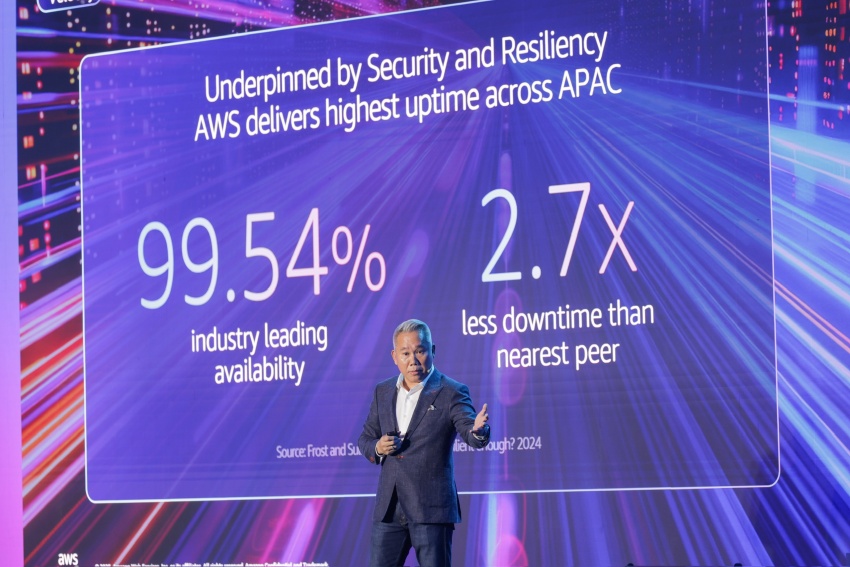
Yeo noted that the AI trend is clear: acceleration. AWS is committed to supporting businesses in Vietnam to drive long-term impact and help grow the local economy. AWS has been at the forefront of the Vietnam’s digital transformation journey since establishing its local presence in 2017.

Through strategic infrastructure investments including AWS Outposts (2021), an upcoming AWS Local Zone in Hanoi, and Edge locations in Hanoi and Ho Chi Minh City (2022), AWS has built a robust foundation for ultra-low latency workloads across the country.

Over 100,000 individuals have been trained in cloud and AI in Vietnam since 2017. And in 2023, AWS rolled out the ‘AI Ready’ initiative, offering free AI and generative AI courses – 30 in Vietnamese to date – to help learners gain in-demand skills and access career opportunities.

“We are focused on helping organisations of all sizes across Vietnam to migrate IT workloads to cloud to support their digital-first strategies, and accelerate AI adoption and innovation end-to-end, from experimentation to real life applications,” said Yeo.

“AI is the biggest opportunity since cloud computing, and possibly since the internet. We look forward to collaborating with governments, businesses, and startups to unlock Vietnam’s AI potential,” he added.

At present, AWS is driving innovation with organisations across Vietnam, from fast-moving startups to leading brands and public sector organisations, such as AI Hay, Techcombank, VIB, VPBank, Gamota, Katalon, TymeX.

For instance, AI Hay is a Vietnam-first, AI-powered platform revolutionizing knowledge discovery through social, community-driven GenAI search. Since launch, the app has now had over 15 million downloads and processed over 100 million questions monthly, serving millions of Vietnamese daily.

Elsewhere, Techcombank, one of Vietnam’s leading banks, is accelerating digital banking with Amazon Q Developer. An initial pilot with 50 developers delivered strong results, 80 per cent satisfaction and clear gains in productivity and code quality, prompting a rapid scale-up to 600 developers. This has now been rolled out to more than 1,000 developers across TCB.

By using features like Code Suggestions and AI Commit Message, Techcombank cut development time, saving 572 days of manual effort in just three months, a 30 per cent productivity boost.

According to Eric Yeo, “Vietnam businesses show strong AI innovation adoption, demonstrating significant economic potential. However, our research reveals critical barriers, particularly for larger enterprises looking to deepen AI implementation.”

“To maintain Vietnam’s competitive position globally, government and industry must address these specific challenges. AWS remains committed to accelerating GenAI adoption through our infrastructure investments and skills training initiatives,” he added.

Vietnam accelerates cloud computing to power digital economy growth Vietnam accelerates cloud computing to power digital economy growth

As Vietnam ramps up the development of cloud computing to drive its digital economy, new capabilities are expected to support both public and private sector transformation.

VPBank leverages AWS Skill Builder to fuel digital transformation VPBank leverages AWS Skill Builder to fuel digital transformation

VPBank announced on August 7 that it has integrated Amazon Web Services’ (AWS) Skill Builder into its cloud computing training programme to foster continuous learning at scale.

The draft consists of six chapters and 29 articles, reducing six articles, with some changes compared to the current law. It is expected that the amended law will be submitted to the National Assembly for consideration and approval at its upcoming 10th session.

The workshop was co-chaired by Vu Hai Quan, permanent Deputy Minister of Science and Technology, and Nguyen Phuong Tuan, Vice Chairman of the NA Committee on Science, Technology and Environment, with the participation of NA deputies, experts, scientists, and businesses.

Perfecting legal corridor to boost high-tech sector
The workshop was co-chaired by Vu Hai Quan, permanent Deputy Minister of Science and Technology, and Nguyen Phuong Tuan, Vice Chairman of the NA Committee on Science, Technology and Environment. Photo: MST

According to Quan, the amendments aim to concretise the Party’s policies, especially Politburo Resolution No. 57-NQ/TW dated December 2024 on breakthroughs in science and technology development, innovation, and national digital transformation. The resolution identifies high technology as a driving force for the country’s industrialisation and modernisation. Therefore, the amended law needs to create a transparent, stable, and attractive legal corridor; promote research, development, application and transfer of high technology; and encourage domestic and foreign enterprises to invest.

The draft inherits as much as possible of the relevant regulations, and at the same time adjusts according to the new management thinking: effective management instead of process management. The law focuses on attracting social resources and encouraging businesses to fund research and development (R&D) in high technology, instead of relying solely on the state budget.

The law focuses on six policy groups, including completing the concept and criteria of high technology; redesigning the system of policies and beneficiaries of priority policies, incentives, and investment support; encouraging the development of the high-tech ecosystem; supplementing new regulations on high-tech park and high-tech urban models; supplementing and completing state management regulations on high technology, management, inspection, supervision, and efficiency assessment mechanisms; and supplementing regulations on requirements for comprehensive digital transformation of high-tech activities.

At the event, participants highly appreciated the draft law for covering the basic necessary contents. However, many opinions said that it is necessary to supplement clearer regulations on incentive mechanisms, criteria for establishment and operation of high-tech zones, high-tech urban areas, and high-tech agricultural zones, associated with ensuring security and safety, especially for foreign-invested projects.

They also proposed separate provisions on the development of high-tech industries, strategic industries, and supporting industries, serving the development of high-tech industries, with specific policies such as improving business capacity, supporting participation in the supply chain, and encouraging the production of components and core materials.

Perfecting legal corridor to boost high-tech sector
Photo: MST

In addition, there should be policies to encourage domestic enterprises to transfer technology after mastering, pay attention to the development of high-tech industries and strategic technologies, and have incentive mechanisms that are strong, clear, and consistent with relevant laws to increase feasibility and consistency in implementation.

Tuan emphasised, “To have a good and feasible law, it is necessary to first finalise the concepts, terminology, and application criteria clearly and easily. However, it is also important to note that in all issues of technology transfer, digital transformation, AI, high technology, and people are still the core factor. Therefore, it is necessary to have a strong enough policy to train, attract, and retain high-quality human resources, but must avoid overlapping with the provisions of other laws.”

Ho Chi Minh City seeks US investment in green and high-tech sectors Ho Chi Minh City seeks US investment in green and high-tech sectors

Chairman of Ho Chi Minh City People’s Committee Phan Van Mai has invited US corporations to invest in the sustainable and high-tech sectors, aligning with the city’s green growth strategy for 2030 and beyond to 2050.

Dassault Systèmes and Viettel ink MoU to boost Vietnam’s high-tech sector Dassault Systèmes and Viettel ink MoU to boost Vietnam’s high-tech sector

Dassault Systèmes and Viettel signed an MoU to strengthen strategic cooperation in AI, machine learning (ML), digital design, and simulation on August 20.

Vietnamese industry moves towards greener and high-tech future Vietnamese industry moves towards greener and high-tech future

Vietnam’s industrial sector is accelerating its shift towards sustainability and advanced technologies, with green manufacturing, semiconductors, and data infrastructure emerging as new growth pillars.

UOB raises Vietnam 2025 growth forecast to 7.5 per cent

Following 7.5 per cent growth in the first six months and expectations of further stimulus, UOB revised its full-year GDP forecast to 7.5 per cent, up from 6.9 per cent. Vietnam’s real GDP expanded 7.96 per cent on-year in the second quarter, outpacing Bloomberg’s 6.85 per cent estimate and UOB’s own 6.1 per cent projection, bringing first-half growth to its highest level since 2011.

UOB’s September 17 report highlighted that Vietnam’s strong first-half growth was underpinned by a 14 per cent on-year export surge, boosted by improved sentiment after the US lowered its ‘Liberation Day’ tariff on April 2 to a temporary 10 per cent baseline for 90 days. Tariff uncertainty eased further in the second half as the US finalised country-specific rates ahead of the August 1 deadline, with Vietnam’s rate set at 20 per cent.

Data from July indicates that growth momentum remains positive, though the outlook is tempered by tariff developments. Exports rose 17 per cent on-year to a record $42.3 billion, bringing year-to-date growth close to 16 per cent. However, the trade surplus narrowed to $9.5 billion in the first seven months, compared to $14 billion a year earlier, due to higher imports from front-loaded export orders.

“Despite tariff pressures, annual exports could still rise by about 10 per cent (compared to 14 per cent in 2024), assuming a moderate 1–5 per cent pace for the rest of 2025,” UOB said in the report.

Other indicators also signal resilience. The Purchasing Managers’ Index rebounded to 52.4 in July after three straight months below 50, while manufacturing output rose 9 per cent on-year despite a high base. Overseas capital inflows remained strong, with $13.6 billion in realised investment as of July, up from $12.6 billion in the same period last year, suggesting full-year inflows could surpass $20 billion (compared to $25.4 billion in 2024).

Amid external headwinds, Vietnam announced a $48 billion infrastructure scheme in mid-August, spanning 250 projects. Of these, 129 state-funded initiatives worth $18 billion will prioritise urban development and transport, while 121 projects valued at $30.5 billion will draw financing from other sources, including foreign enterprises.

“Despite tariff threats and uncertainty, Vietnam’s economy continues to show resilience and dynamism. Export performance has been particularly strong, though risks remain if US demand weakens amid tariff-induced price pressures,” UOB said.

Following robust 7.5 per cent growth in the first half of 2025 and expected support from stronger government investment, UOB revised its full-year GDP forecast to 7.5 per cent, up from 6.9 per cent previously and just under 7.1 per cent in 2024. Growth is projected at 7.6 per cent on-year in the third quarter and 7.2 per cent in the fourth. For 2026, UOB maintains its projection at 7 per cent. By comparison, the government is targeting 8.3–8.5 per cent growth this year.

Inflation, however, shows little sign of easing. Headline inflation reached 3.3 per cent year-to-date in July, versus 3.6 per cent on average in 2024 and 3.26 per cent in 2023. Housing and construction materials (5.9 per cent on-year average so far, with an 18.8 per cent weighting) and healthcare (18 per cent on-year average, with a 5.4 per cent weighting) remain the main drivers.

“Combined with decent growth prospects in the second half of 2025 and persistent VND weakness, these factors would constrain the State Bank of Vietnam’s (SBV) ability to ease policy,” UOB said, expecting the refinancing rate to remain at 4.5 per cent.

“If business and labour market conditions deteriorate sharply, there is a possibility for the SBV to cut the refinancing rate in a single step to the COVID-19 low of 4 per cent, though this is not our base case,” the report added.

Bucking the regional trend, the VND slid to a record low of 26,436 per USD in August, down 3.4 per cent year-to-date and marking its fourth straight year of depreciation. While Vietnam secured a trade deal with the US that lowered tariff rates to 20 per cent from the 46 per cent announced in April, uncertainty remains over the 40 per cent transhipment tariff.

“This could prompt firms to reassess supply chain strategies, potentially dampening Vietnam’s attractiveness for foreign investment,” UOB said.

Looking ahead, the VND may continue to underperform compared to regional peers in capturing any upside from expected US Federal Reserve rate cuts. UOB’s upward revision of Vietnam’s GDP growth forecast to 7.5 per cent in 2025, from 7.1 per cent in 2024, could lend some support. Its updated USD/VND projections are 26,300 in the fourth quarter of 2025, 26,200 in the first quarter of 2026, 26,100 in the second, and 26,000 in the third.

Citi raises forecast for Vietnam’s 2025 GDP growth Citi raises forecast for Vietnam’s 2025 GDP growth

Citi remains cautiously optimistic on Vietnam’s growth outlook, although US tariffs on Vietnam will increase post a recently agreed trade deal.

ADB trims Vietnam’s GDP forecast to 6.3 per cent for 2025 ADB trims Vietnam’s GDP forecast to 6.3 per cent for 2025

The Asian Development Bank (ADB) has revised Vietnam’s GDP growth forecast for 2025 down to 6.3 per cent from the 6.6 per cent it predicted in April.

Vietnam’s export resilience tested amid rising US tariff pressure Vietnam’s export resilience tested amid rising US tariff pressure

As the United States slaps a 20 per cent countervailing tariff on Vietnamese exports, concerns loom over the policy’s implications for Vietnam’s growth trajectory. Despite mounting trade headwinds, Le Trung Hieu, deputy director general of the National Statistics Office, outlines why the country remains confident of meeting its ambitious target of over 8 per cent GDP growth in 2025.

World Bank forecasts Vietnam’s GDP growth to reach 6.6 per cent in 2025 World Bank forecasts Vietnam’s GDP growth to reach 6.6 per cent in 2025

Vietnam’s GDP growth is forecast to reach 6.6 per cent in 2025, according to the latest report by the World Bank.

In the world of online betting, promo codes and loyalty programs are essential for maximizing player benefits. Receipt checking and verification play a crucial role in ensuring that these promotional offers are applied correctly and transparently. For users seeking to optimize their returns, understanding the process behind receipt validation and tax implications of winnings is vital. This article explores how the valorbet promo code integrates with loyalty schemes to provide a seamless and beneficial experience.

Tax optimization in betting hinges on accurate record-keeping and verification of transactions. Receipt checking acts as a safeguard, ensuring that all promotional bonuses and winnings are properly documented. This process helps bettors comply with tax regulations and avoid potential discrepancies during audits. Staying informed about relevant legislation, such as the guidelines outlined by the IRS or other financial authorities, is equally important for a comprehensive approach to tax planning.

Practically, bettors can leverage various tools and methods to verify receipts and monitor their betting activities. Platforms offering promo codes like valorbet often include built-in systems for tracking bonuses and loyalty points. For detailed insights into tax legislation affecting betting and financial compliance, one can refer to authoritative resources such as IRS Gambling Income Guidelines. Additionally, recent updates on tax policy changes and enforcement are well-covered by media outlets like Reuters Finance Tax News, helping bettors stay current on compliance requirements.

HID outlines biometric growth strategy in Vietnam
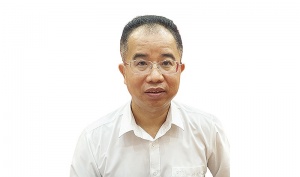
Christian Marcos, regional sales manager for the Philippines and Vietnam, Physical Access Control Solutions at HID

To begin, can you give us an overview of HID’s mission and key activities in identity and access control?

HID has been a pioneer in identity and access control for over 30 years. Headquartered in Austin, Texas, and present in more than 100 countries, HID delivers comprehensive solutions across multiple sectors.

Beyond physical access control, our portfolio spans secure issuance, identity and access management, identification technologies, and biometric solutions. Our mission is to provide secure, trusted identities worldwide, with a core vision of protecting people, places, and things.

HID is known for powering trusted identities. What does that mean in practice for everyday users and organisations?

Access control began with a simple purpose: managing who could open doors, and when. HID has since expanded far beyond physical entry. Today, access is secured through both physical and digital credentials across IT systems, devices, and facilities, from servers and laptops to photocopiers, vending machines, and even EV charging stations.

As technology advances, so do our applications. HID doesn’t just protect doors, but the full range of equipment, systems, and information behind them, ensures only individuals authorised gain access. In short, we deliver trusted security for people, places, and things, wherever it is needed.

Biometric solutions are gaining strong momentum worldwide. In your view, what sets HID’s biometric readers apart from other options in the market?

The market is increasingly embracing biometrics such as facial recognition, fingerprint, and palm identification. HID provides advanced biometric technologies, with a particular focus on facial recognition.

What makes us stand out is our proprietary Paravision algorithm, providing exceptional accuracy and reliability. We also integrate multifactor authentication into one system, combining facial recognition with PINs, cards, mobile credentials, and QR codes, for greater flexibility and security.

Our biometric readers are built for speed and accuracy, ensure smooth, queue-free user experiences, and are IP65-rated for both indoor and outdoor use. This versatility allows users to choose the most convenient access method, whether entering buildings or securing facilities like photocopiers, vending machines, and EV charging stations, an area of ​​growing relevance in Vietnam.

With rising concerns about scams, data criticism, and spoofing attacks, how does HID ensure the privacy and security of biometric data?

We prioritise compliance with international standards. All biometric solutions, especially facial recognition, are rigorously tested to meet global regulations, as biometric data represents a person’s unique identity.

We offer flexible data storage, either embedded on secure cards or kept in protected databases, allowing organisations to control how data is managed.

To strengthen security, HID introduced Seos in 2012, replacing older, clone-prone technologies with advanced, unclonable credentials in both physical and digital forms.

By ensuring compliance, secure storage, and uncopyable credentials, HID keeps biometric identities private, protected, and trusted.

Can you share some of HID’s latest innovations in biometric authentication, particularly those being introduced in Vietnam?

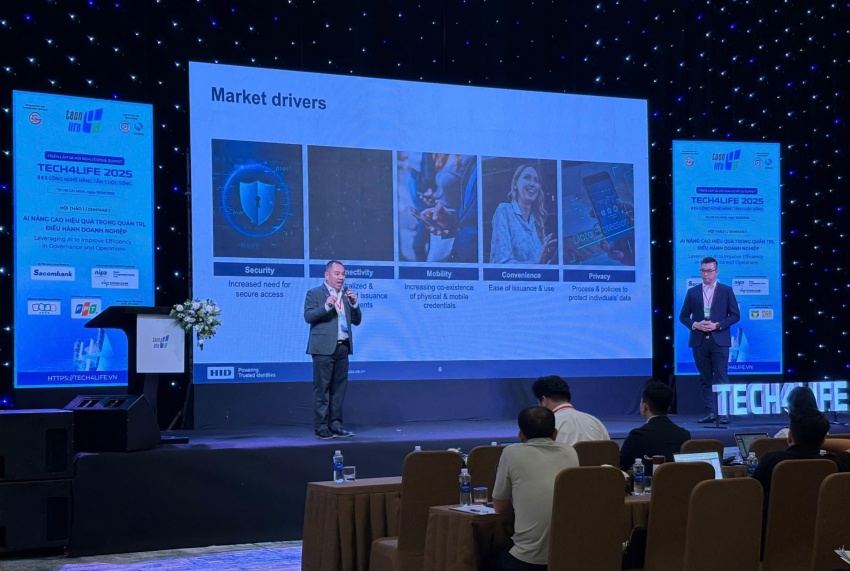
At the Tech4Life 2025 exhibition and conference held in Ho Chi Minh City on September 18 and 19, we unveiled the HID Amico reader, its latest biometric facial recognition reader, soon to debut in Southeast Asia with Vietnam as an early adopter. HID Amico serves diverse industries, supporting multifactor authentication through cards, mobile credentials, QR codes, or PIN codes.

While demand for facial recognition grows, HID prioritises compliance with global data privacy standards to ensure trust and security. The preview in Vietnam marks one of HID’s most significant rollouts in the region, following an exclusive preview for partners in Hanoi.

HID outlines biometric growth strategy in Vietnam
Christian Marcos presented the current market drivers in Vietnam & HID’s latest physical access control solutions at the Tech4Life event

Why was Vietnam selected as one of the first markets for HID’s new biometric innovation?

Vietnam was chosen because of its rapid growth across sectors like transportation, real estate, and manufacturing, where many global brands have set up operations. Our parent company, ASSA ABLOY, already runs two factories here, underscoring the country’s strategic importance.

Vietnam is also emerging as a hub for innovation, with examples like VinFast’s EV taxi service and strong government investment in IT and engineering.

This dynamic environment makes Vietnam an ideal market for HID to introduce trusted identity and secure access solutions while meeting international security standards.

How has HID’s partnership with Vietnam Smart Card Technology JSC helped expand your footprint in Vietnam?

Over the years, HID has cooperated with Vietnam Smart Card Technology to deploy Physical Access Control Systems across multiple sectors, creating a true ‘win-win’ relationship. Global corporations expanding into Vietnam often want to use the same trusted brand as at their headquarters, HID, and continue to choose our solutions for new facilities.

The strength of this partnership comes from combining HID’s global reputation with Vietnam Smart Card Technology’s twenty-plus years of local expertise and strong ties to banks, manufacturers, and the transportation sector. Together, we have built a solid foundation for a long-term, sustainable collaboration.

How do you see the role of biometrics evolving over the next five years, particularly in Vietnam?

Biometrics will become increasingly important over the next five years, especially in Vietnam. Events like Tech4Life highlight how IT, infrastructure, and access control are becoming inseparable.

While AI still raises concerns, technology cannot be stopped; we must adapt. Just as cloud computing was once doubted but is now the standard for securing data, AI and biometrics should be seen not as threats but as tools that enhance security and convenience.

Biometrics are already part of daily life, such as unlocking smartphones with facial or fingerprint recognition. With proper policies and strong data protection, the market will increasingly embrace these solutions.

The future of biometrics in Vietnam and the region is therefore very promising, combining advanced technology with growing user readiness to embrace it.