Vietnam advances three-pillar strategy to prevent cervical cancer

Cervical cancer is the fourth most common cancer in women worldwide, with a woman dying from it every two minutes. In 2022, nearly 350,000 women lost their lives to this preventable disease, most in low- and middle-income countries where access to HPV vaccines, routine screening and early treatment remains limited.

HPV (Human Papillomavirus) is an extremely common virus worldwide and can infect people of all genders. While most infections clear naturally, persistent HPV infection can lead to cancer and other HPV-related diseases in both men and women, including genital warts, pre-cancerous lesions, and cancers of the cervix and anogenital region.

In Vietnam, according to the 2022 report, cervical cancer and HPV-related diseases remain a public health burden with approximately 4,600 new cancer cases and over 2,500 deaths each year. Although vaccines and screening tests have demonstrated clear effectiveness and benefits, access rates remain low, highlighting the urgent need for a comprehensive, sustainable and prevention strategy based on scientific evidence.

The World Health Organisation’s (WHO) 2020 strategy for eliminating cervical cancer as a public health problem emphasises the inclusion of HPV vaccination in all national immunisation programmes, aiming to achieve the following targets by 2030: 90 per cent of girls fully vaccinated with the HPV vaccine; 70 per cent of women screened using HPV testing by the ages 35 and 45; and 90 per cent of women with pre-cancer or cervical cancer receiving treatment.

Full HPV vaccination for adolescent girls, combined with cervical cancer screening and timely treatment for all women with lesions, can help realise this goal within our generation. In Vietnam, the coverage of HPV vaccination and cervical cancer screening remains low, underscoring the need to strengthen prevention and control efforts.

In line with the World Health Organisation’s global strategy to eliminate cervical cancer, the Ministry of Health earlier this year launched a nationwide communication campaign to raise awareness of HPV. The initiative reflects Vietnam’s strong commitment under the National Action Plan for Cervical Cancer Prevention towards 2030, which aims to remove the disease as a public-health threat.

After more than a decade in over 100 countries, HPV vaccines have proven highly effective in reducing pre-cancerous lesions and cervical cancer. The 2-dose and 3-dose regimens have been approved by the US Food and Drug Administration and the European Commission based on rigorous scientific data.

Vietnam advances three-pillar strategy to prevent cervical cancer

“Like other subunit vaccines, the HPV vaccine uses a prime-boost mechanism to generate strong, long-lasting immune memory,” said Nguyen Hien Minh, deputy head of the Vaccination Unit at the University Medical Centre in Ho Chi Minh City. “The two- or three-dose regimen has been validated through rigorous clinical trials with long-term follow-up. Although single-dose evidence is being reviewed, it is not yet sufficient to change FDA-approved guidance, so Vietnam and many other countries continue to recommend the approved regimen for optimal protection.”

Screening is a key element in preventing cervical cancer, although it cannot prevent new HPV infections. Even with a current negative HPV test result, women may still contract high-risk HPV in the future. In Vietnam, barriers such as screening costs and travel difficulties in remote areas cause many women to miss important screening milestones, increasing the risk of the disease silently progressing to advanced stages. Even in effective screening programmes, missed follow-ups, delayed treatment due to cost or work, or false negatives occur, the risk of progression to cancer remains present.

“HPV vaccines prevent new high-risk infections and lay the foundation for long-term community protection,” said Le Thi Anh Dao, head of the A5 Gynecologic Surgery Department at Hanoi Obstetrics and Gynecology Hospital and senior lecturer at Hanoi Medical University. “HPV testing every five years allows early detection of new or persistent infections and timely follow-up when abnormalities appear. Together, these three pillars bring the community closer to eliminating cervical cancer.”

Cervical cancer is almost entirely preventable when women have proper, timely access to vaccination, regular HPV testing and prompt treatment. Following approved vaccine regimens, screening at recommended intervals and addressing abnormalities immediately are not just awareness messages but evidence-based measures aligned with national strategy. Together, they give Vietnam a realistic pathway toward the WHO’s 2030 goal of eliminating cervical cancer as a public-health problem.

First AI exhibition on HPV prevention held in Vietnam First AI exhibition on HPV prevention held in Vietnam

‘Love Your Future Self’, the first health exhibition in Vietnam to apply AI and 3D projection technology, is being held in Ho Chi Minh City from October 18 to 20.

MSD ties with Ministry of Health on HPV projects MSD ties with Ministry of Health on HPV projects

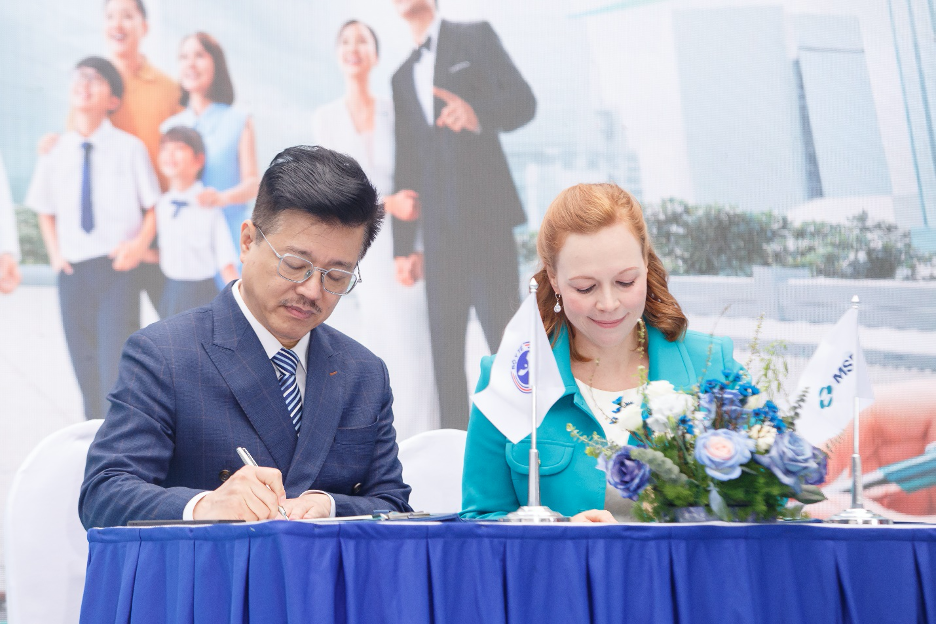
On March 29, the Ministry of Health (MoH) officially launched the national communication campaign “For a Vietnam Free from the Burdens of HPV” to raise awareness and encourage the prevention of HPV-related diseases and cancers.

MSD brings HPV Holobox tour to Vietnam MSD brings HPV Holobox tour to Vietnam

As immersive technologies reshape how information is shared and absorbed, a new community initiative is using 3D and AI to transform public health education.

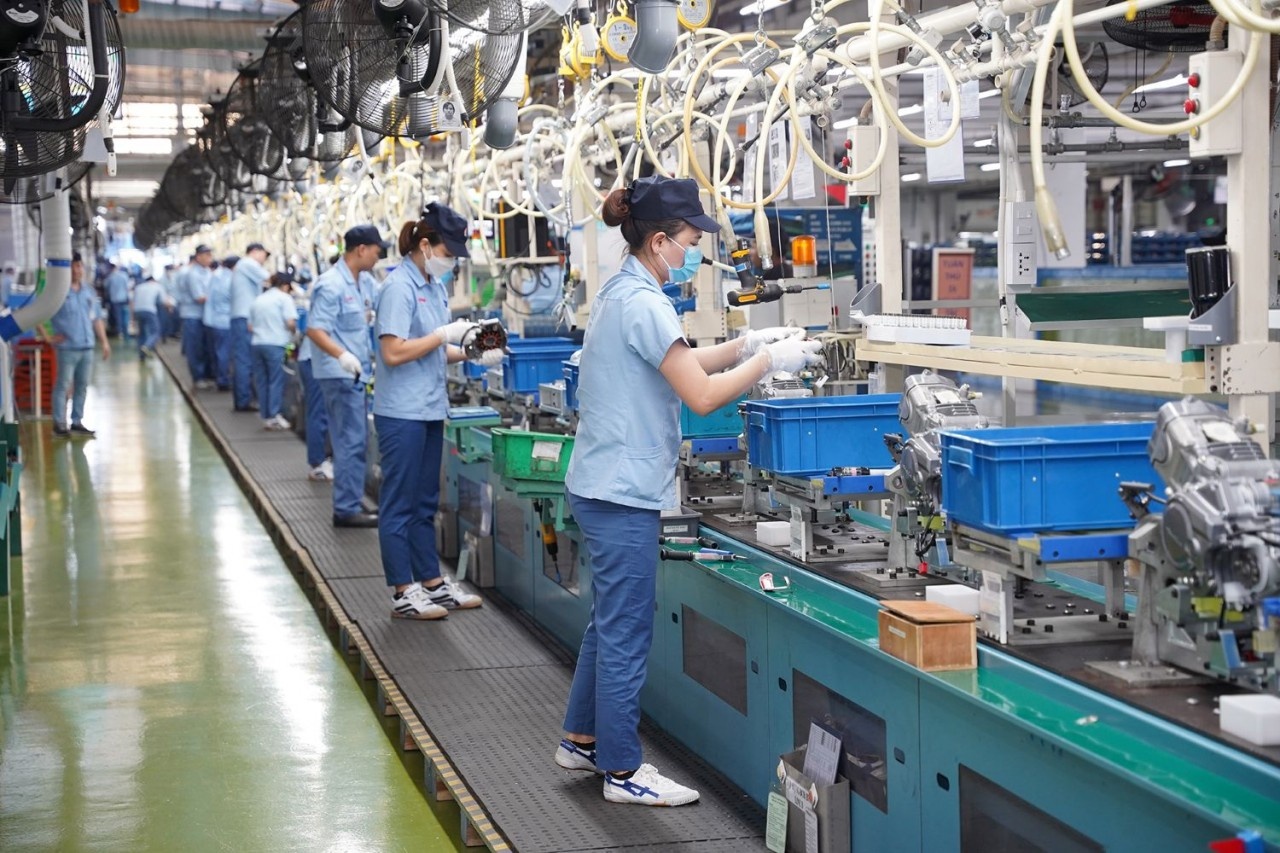
The National Statistics Office (NSO) reported on December 6 that nationwide industrial production continued its upward trajectory in November, as enterprises boosted output to build inventories ahead of increasing domestic consumption and export demand towards the year-end period.

Industrial sector posts robust gains as year-end demand rises

Accordingly, the index of industrial production (IIP) for November was estimated to have risen by 2.3 per cent against October and by 10.8 per cent on-year.

Manufacturing and processing led the expansion, rising 11.8 per cent year-on-year, followed by mining at 7 per cent, water supply, sewerage and waste management at 6.5 per cent, and electricity generation and distribution at 5.8 per cent.

For the January–November period, the IIP is estimated to have risen 9.3 per cent on-year. Manufacturing and processing led the growth, up 10.6 per cent and contributing 8.5 percentage points (ppts) to overall expansion. Water supply, sewerage and waste management climbed 8.4 per cent (0.1 ppts), electricity generation and distribution rose 6.5 per cent (0.6 ppts), while mining edged up 0.9 per cent, adding 0.1 ppts.

Several major industries posted on-year growth during the 11-month period, such as production of motor vehicles up 22 per cent; manufacture of other non-metallic mineral products up 16.5 per cent; rubber and plastic products up 16.4 per cent; basic metals up 15.5 per cent; apparel up 13.5 per cent; paper and paper products up 11.6 per cent; leather and related products, and chemicals and chemical products both up 11.2 per cent.

The IIP increased on-year in all 34 provinces and centrally run municipalities. Some localities recorded strong gains thanks to robust performances in manufacturing and processing, and in electricity generation and distribution.

Conversely, a number of localities posted modest increases as their manufacturing, mining, and power production and distribution sectors saw slower growth or contraction.

Several key industrial products saw on-year increases over the same period, including automobiles up 37.4 per cent; televisions up 19 per cent; rolled steel up 18.5 per cent; aquafeed up 14.8 per cent; casual apparel up 14.2 per cent; cement up 14.1 per cent; leather footwear up 12.8 per cent; NPK compound fertiliser up 11.9 per cent; and chemical paints up 10.9 per cent.

According to the NSO report, as of November 1, the workforce at industrial enterprises surged 1 per cent compared to October and up 3.7 per cent on-year.

The NSO also noted that in the first 11 months, the country recorded 275,600 newly established and reactivated enterprises, up 26.1 per cent on-year, averaging 25,100 units per month. Of these, 40,100 units operate in the industrial and construction sector, an increase of 16.6 per cent from a year earlier.

Industry remains one of the economy’s key growth engines. If growth drivers are effectively leveraged and risks well managed, the sector can provide a solid foundation for the country to achieve the GDP growth target of 8 per cent and beyond in 2025.

Production serving as a crucial driver for growth Production serving as a crucial driver for growth

Domestic industrial production has continued its recovery, reflecting the government’s effective pro-business policies and its efforts to generate more employment.

Expo to showcase latest industrial production innovations Expo to showcase latest industrial production innovations

Viet Industry – Cleanfact – RHVAC Vietnam 2025 is set to provide a stage for domestic and international enterprises to present innovations in industrial production, cleanroom, and HVAC.

Vietnam rides out the storm to hold firm on its 8 per cent growth goal Vietnam rides out the storm to hold firm on its 8 per cent growth goal

Nguyen Thi Mai Hanh, head of the National Accounts System Department at the General Statistics Office under the Ministry of Finance, shares insights on how Vietnam aims to stay on track for its ambitious 8 per cent growth target in 2025 despite rising external and environmental pressures.

The world stands at a critical juncture, facing both the profound challenges of environmental degradation and the immense opportunity to build a more sustainable, resilient, and equitable future. Global temperatures continue to rise, extreme weather events are becoming more frequent, and the demand for energy and resources intensifies with a growing global population.

How smart infrastructure and digitalisation power the systemic transition
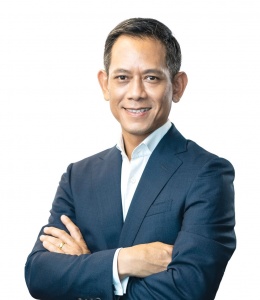
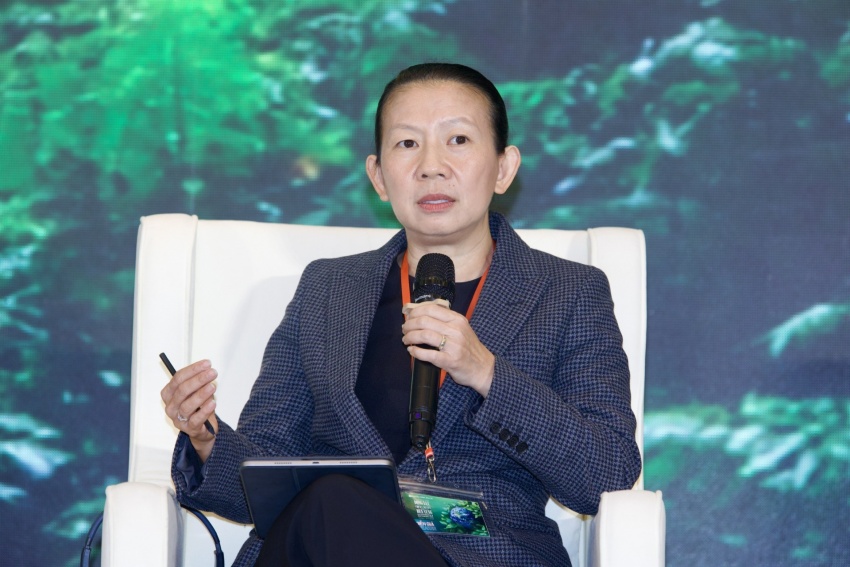
Dr. Thai-Lai Pham, CEO of Siemens ASEAN and Vietnam

It is within this complex landscape that the role of infrastructure – the very systems that power our cities, connect our communities, and drive our economies – becomes paramount. At Siemens Smart Infrastructure, we believe that the strategic transformation of these foundational systems is not just an option, but an imperative for securing a livable future.

This is not just about incremental improvements or minor adjustments; it’s about a fundamental and systemic “Infrastructure Transition.” As highlighted in our recent Siemens Infrastructure Transition Monitor 2025, this profound shift is defined by four interconnected pillars: decarbonisation, digitalisation, decentralisation, and resilience.

These aren’t abstract concepts to be debated in academic circles; they are the tangible, actionable pathways to a world that lives within the limits of our planet. Decarbonisation addresses the urgent need to eliminate carbon emissions from our energy systems and industrial processes.

Digitalisation provides intelligent tools and data insights to achieve this. Decentralisation empowers local energy generation and consumption, fostering greater energy independence and efficiency. And resilience ensures that our critical systems can withstand and recover from the inevitable shocks of climate change and other disruptions. Together, these pillars form the strategic framework for a sustainable future.

Digitalisation: The engine of sustainable transformation

At the absolute heart of this infrastructure transition is digitalisation. As the World Economic Forum recently underscored, the integration of advanced technologies like AI, the Internet of Things (IoT), digital twins, and autonomous systems is not merely enhancing business operations; it’s fundamentally reshaping our capacity for sustainability.

Digitalisation provides the essential intelligence layer that transforms inert physical assets – from individual sensors to entire urban networks – into dynamic, responsive, and profoundly resource-efficient systems. This intelligence allows us to move beyond reactive management to predictive optimisation, enabling infrastructure to anticipate needs, adapt to changes, and operate with unprecedented efficiency.

Imagine a building that autonomously optimises its energy consumption based on real-time occupancy data, predictive weather forecasts, and fluctuating energy prices, thereby reducing its carbon footprint by a significant margin. Or consider a city grid that intelligently integrates a diverse array of renewable energy sources, dynamically balancing supply and demand in real-time, preventing energy waste, and ensuring unwavering stability even with intermittent power generation.

These aren’t just futuristic dreams or theoretical models; they are realities being deployed today through sophisticated smart building management systems, intelligent grid solutions, advanced data analytics, and predictive maintenance platforms. Digitalisation makes our infrastructure smarter, more efficient, and ultimately, more sustainable.

Digitalisation, in essence, empowers us to achieve several critical outcomes that are vital for the infrastructure transition. It allows for the optimisation of resource use on an unprecedented scale, leveraging digital twins to create virtual replicas of physical assets for simulation and predictive analytics to manage everything from energy and water to materials with extreme precision.

Furthermore, it is absolutely central to decarbonising operations by enabling smart grids to seamlessly integrate a high percentage of renewable energy, optimising complex industrial processes for minimal emissions, and intelligently managing e-mobility charging infrastructure to balance grid load, thereby significantly reducing overall emissions. Crucially, digitalisation also profoundly enhances resilience; autonomous systems can continuously monitor infrastructure, detect anomalies before they become critical, predict potential failures, and even initiate self-healing protocols, ensuring that critical infrastructure remains robust, secure, and operational even during disruptions or cyber threats.

Smart infrastructure: building a resilient and decarbonised world

The insights gleaned from the Infrastructure Transition Monitor 2025 unequivocally reveal that businesses and governments globally recognise the imperative for change. They understand that investing in smart, sustainable infrastructure is not just an environmental necessity driven by regulatory pressures or ethical considerations, but a strategic economic advantage that fosters innovation, creates new industries, generates high-value jobs, and delivers long-term financial returns. This understanding is driving significant investment and policy shif s worldwide.

At Siemens Smart Infrastructure, our focus is squarely on delivering the innovative technologies and comprehensive solutions that make this transition a tangible reality across several key sectors. We are dedicated to transforming buildings into smart, active participants

in the energy ecosystem, evolving them from mere energy consumers into “prosumers” capable of generating, storing, and sharing clean energy back to the grid. This includes advanced building management systems, energy storage solutions, and integrated microgrids that prioritise occupant comfort while minimising environmental impact.

Simultaneously, we are committed to modernising energy networks through smart grids, enabling them to efficiently manage the increasing complexities of decentralised renewable energy sources, bidirectional energy flow, and dynamic demand response, all while ensuring unwavering reliability and cybersecurity. Our efforts also extend to building robust e-mobility infrastructure, creating the scalable and intelligent charging ecosystems essential for accelerating the widespread adoption of electric vehicles and significantly reducing transportation emissions, from individual cars to entire public transport fleets.

Finally, we are actively supporting industrial decarbonisation by providing advanced solutions that help industries drastically reduce their energy intensity and carbon footprint through strategic electrification, process optimisation, and automation, making industrial operations cleaner and more competitive.

This integrated approach means we’re not just selling individual products or components; we’re partnering with stakeholders, from municipalities and utilities to industrial giants and building developers, to design and implement comprehensive ecosystems that are inherently sustainable by design. We provide end-to-end solutions that combine the real and the digital worlds, enabling our customers to achieve their decarbonisation and resilience goals effectively.

How smart infrastructure and digitalisation power the systemic transition
Siemens Smart Infrastructure is delivering comprehensive solutions to tackle carbon emissions

Collaboration and the human element: A call to action

The sheer scale and complexity of this infrastructure transformation demand unprecedented levels of collaboration. No single entity, whether government, business, or community, can achieve these ambitious goals in isolation. Governments must work to create supportive and stable policy frameworks, incentivise green investments, and streamline regulatory processes. Businesses must innovate, invest in sustainable technologies, and adopt circular economy principles.

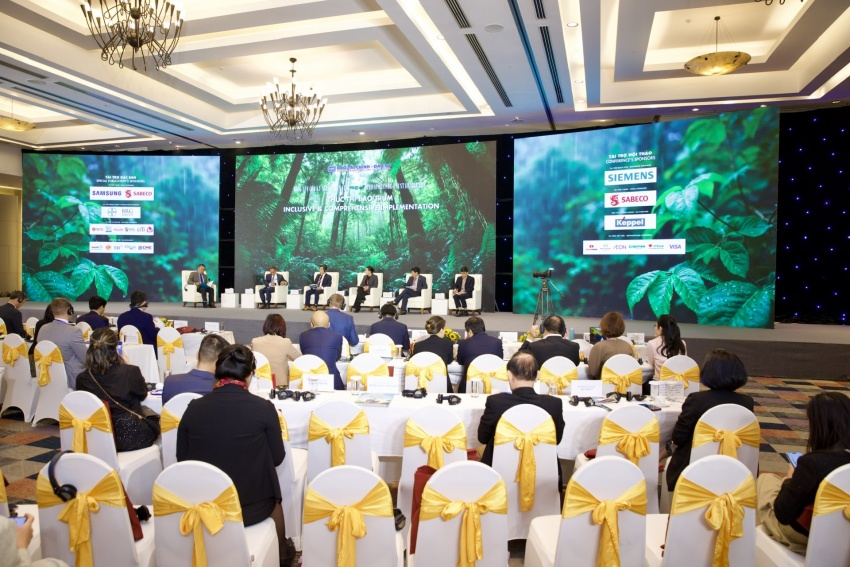
Investors must mobilise capital towards green projects, recognising the long-term value. And communities must engage, demand change, and embrace new sustainable practices. Forums like COP30 are not just negotiation platforms; they are vital opportunities for forging these multi-stakeholder partnerships, sharing best practices, and accelerating collective action on a global scale.

Ultimately, the Infrastructure Transition is about far more than just technology and economic metrics; it’s profoundly about people. It’s about creating healthier, more livable cities where air quality is improved and green spaces flourish. It’s about ensuring universal access to clean, affordable energy, lifting communities out of energy poverty. It’s about building resilient communities that can not only withstand the increasing impacts of climate change but also thrive in the face of future challenges. It’s about a future where infrastructure serves humanity and the planet in harmony, supporting well-being and prosperity for all.

At Siemens Smart Infrastructure, we are committed to being a leading partner in this transformative journey. We are continuously developing innovative tech and comprehensive solutions that empower customers and partners to embrace digitalisation, drive decarbonisation, and build truly smart, resilient infrastructure.

The time for decisive action is undeniably now. Together, through collaboration, innovation, and a shared vision, we can unlock the full potential of smart infrastructure to build a sustainable future for generations to come.

Siemens and AIT unveil digital switchboard tailored for high-end clients Siemens and AIT unveil digital switchboard tailored for high-end clients

Siemens Vietnam and AIT Corporation have launched the SIVACON S8, a next-generation digital main switchboard, in Ho Chi Minh City.

Harnessing technology for a sustainable future in Vietnam Harnessing technology for a sustainable future in Vietnam

Siemens is driving Vietnam’s green growth through digital innovation. From advanced automation to digital twin technology, the company helps industries boost efficiency, cut emissions, and build resilience. Thai-Lai Pham, president & CEO of Siemens ASEAN & Vietnam, shared with VIR’s Olivia Bui how company global sustainability strategies are shaping Vietnam’s transformation.

Energy efficiency in buildings tops organisations’ infrastructure priorities Energy efficiency in buildings tops organisations’ infrastructure priorities

Energy efficiency in facilities and buildings has emerged as the top infrastructure priority for organisations seeking to leverage it for decarbonisation and competitiveness, up from seventh place in 2023, a recent Siemens survey and study found.

Lawmakers split over VAT on fertilisers and animal feed

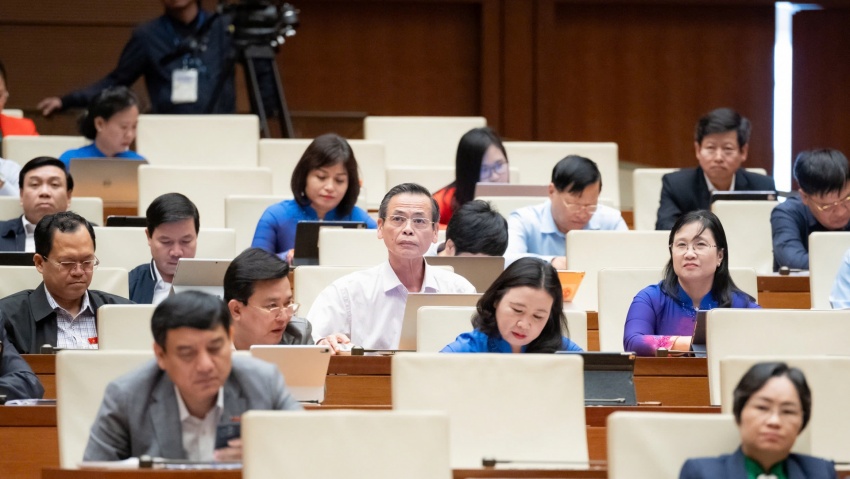
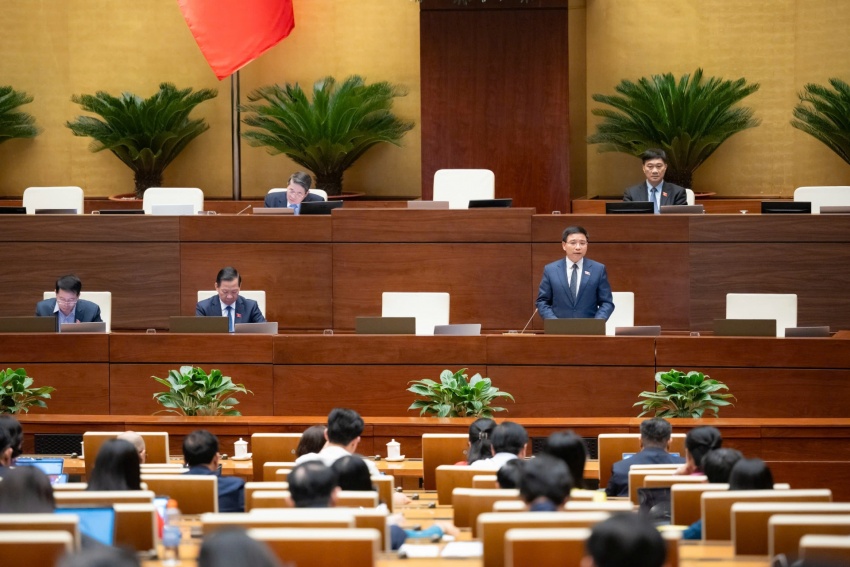
During a National Assembly (NA) session on December 9, legislators debated the government’s proposal to allow full deduction of input VAT for goods and services not subject to output VAT. The measure is intended to ease persistent cost burdens on sectors such as animal feed and other VAT-exempt products, where non-deductible input taxes have long inflated production expenses and weakened domestic competitiveness.

However, when comparing this proposal with the case of fertilisers – previously suggested being taxed at a 5 per cent VAT rate – NA deputy Tran Van Lam of Bac Ninh noted a policy inconsistency. He stressed that both animal feed and fertilisers are essential agricultural inputs, yet they are subject to different VAT treatments, creating disparities in how the sector is taxed.

“I propose that the NA and the government thoroughly address this inconsistency while amending the VAT policy. Fertilisers should be returned to the group not subject to VAT, which would end ongoing debates, as fertiliser producers would still enjoy input VAT deductions even if fertilisers themselves are not subject to VAT, similar to the proposed treatment for animal feed,” Lam said.

Sharing the view that VAT ultimately burdens consumers, particularly for agricultural products, NA deputy Ta Van Ha of Danang said the claim that higher taxes could reduce prices is unconvincing. He explained that any tax increase would directly affect agriculture and, in turn, the livelihoods of 100 million people.

“The state has invested billions of dollars to support agriculture, farmers and rural areas. Therefore, having addressed animal-feed issues, we should also consider fertilisers,” he said.

However, deputy Trinh Xuan An of Dong Nai argued that products related to animal husbandry and processing are created by farmers, whereas fertilisers are produced by businesses. In practice, fertiliser manufacturers and associations have repeatedly proposed that fertilisers should be subject to a 5 per cent VAT rate.

He recalled that fertilisers were taxed at 5 per cent in 2008, but were removed from the taxable group in 2016 to allow input VAT deductions. However, because deductions did not materialise in practice, domestic fertiliser companies suffered significant disadvantages compared to importers, who could claim refunds. As a result, domestic producers were forced to add this cost to retail prices.

“This impacts people’s livelihoods or household budgets. Policies must be carefully calculated to ensure benefits for enterprises, citizens and the state. If fertilisers remain outside the VAT-taxable group, input VAT must be deductible to support domestic fertiliser production; otherwise, they face significant disadvantages,” said An, adding that if fertilisers are moved back into the taxable group, then deductions must apply to ensure fairness.

Lawmakers split over VAT on fertilisers and animal feed
Minister of Finance Nguyen Van Thang

Minister of Finance Nguyen Van Thang explained that the VAT amendments aim to ensure consistent application of VAT for animal feed. The goal is to level the playing field with imported products that are not taxed, while domestic products currently face a 5 per cent VAT burden. The tax imposition has increased production costs and prices for domestic animal feed, hurting farmers and weakening competitiveness against imported feed.

“Therefore, the amendment seeks to remove obstacles for agricultural production, especially as the sector continues to be heavily affected by natural disasters and prolonged flooding,” the minister said. “Tax on fertilisers would be acknowledged for further thinkings, and findings would be submitted to the competent authorities.”

Impacts on VAT fertiliser rate rise considered for farmers Impacts on VAT fertiliser rate rise considered for farmers

The National Assembly Standing Committee has fixed a 5 per cent VAT rate on the draft amendments to the existing VAT law, which, if becoming true, will affect millions of farmers in Vietnam while likely benefiting fertiliser producers.

Tax move to aid fertiliser producers Tax move to aid fertiliser producers

Fertiliser producers are expected to benefit from propitious market prospects and a forthcoming tax move.

South Korean enterprises show interest in developing green agriculture in Vietnam South Korean enterprises show interest in developing green agriculture in Vietnam

An increasing number of South Korean entrepreneurs are turning their attention to Vietnam, believing in the country’s economic growth potential and its goals for green and low-emission agricultural development.

In Vietnam, green transition is no longer optional. Rising costs, tighter regulations and capital flows linked to environmental, social, and governance (ESG) are turning sustainability into a core business variable for companies seeking long-term competitiveness.

In Vietnam, green transition has moved from recommendation to business imperative. The change is driven not only by environmental risks, but by structural forces in the market: volatile energy prices, tightening international trade standards, and capital allocation increasingly tied to ESG performance.

SABECO’s major growth lever boost
Sustainability is both an environmental concern and an economic question for firms

Fast-moving consumer goods (FMCG) illustrate this transformation most clearly. The sector is built on rapid inventory cycles and high sales volumes, but operates with relatively thin margins. It is also heavily exposed to fluctuations in aluminium prices, fuel costs, and international logistics. When freight rates surge or energy becomes more expensive, cost pressure is transmitted directly to manufacturers.

Sustainability, therefore, is both an environmental concern and an economic question focused on cost control, supply-chain security and profit stability.

Measurable gains

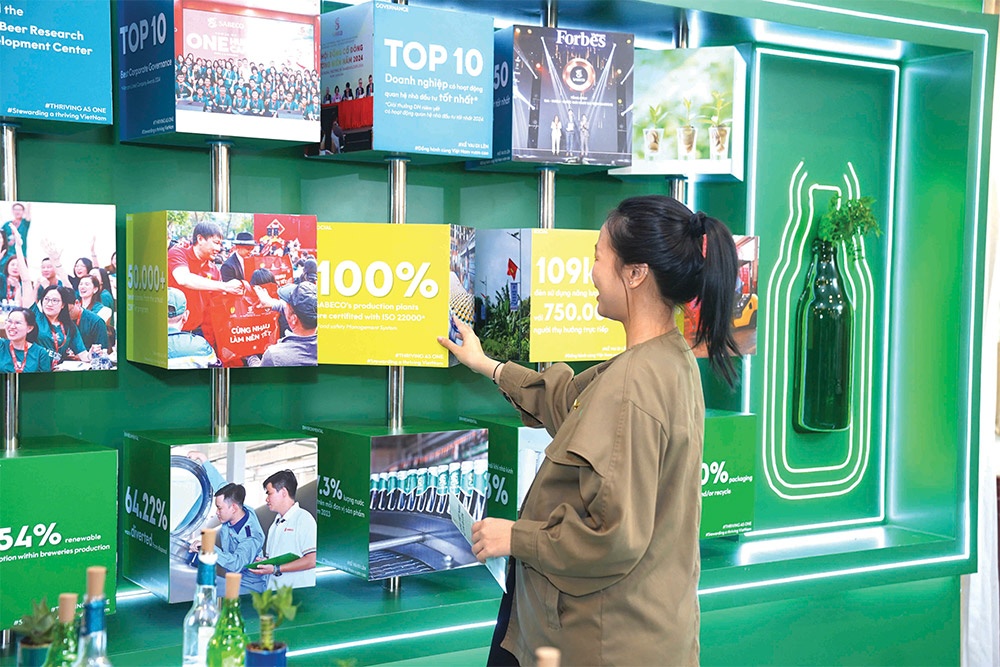
Saigon Beer-Alcohol-Beverage Corporation, known as SABECO, is pursuing transformation across multiple fronts: renewable energy adoption, water resource discipline, circular packaging systems, governance reform and community engagement. These measures are intended to support the long-term operating model rather than generate short-term publicity.

In terms of energy, renewables now account for more than 40 per cent of the company’s usage. This figure, however, comes at a cost. Rooftop solar arrays, biomass systems and energy-efficient machinery require substantial initial investment. In exchange, the company becomes less vulnerable to electricity tariff changes and fossil fuel volatility.

At factory level, green investments are assessed through financial metrics: payback periods, annual savings and impact on unit cost. Sustainability initiatives are not implemented unless they demonstrate measurable efficiency gains. Nor are projects maintained without evidence of economic return.

Water is treated as a business risk as well as an environmental issue. Process optimisation, reuse systems and wastewater treatment have reduced dependence on external supply. In parts of Vietnam where industrial water shortages are emerging, water has effectively become a production constraint.

Meanwhile, packaging is another major lever at SABECO. Returnable bottles, lightweight designs and recycling standards reduce reliance on virgin materials. With aluminium and paper affected by global supply disruptions, controlling packaging volume increasingly means controlling costs.

Governance has also evolved. ESG oversight has moved to board level, becoming part of compliance management and risk assessment. This enhances transparency, strengthens credibility with investors and reinforces accountability across operations.

An often underappreciated dimension is workforce stability. Businesses with credible sustainability strategies attract stronger talent, reduce turnover and improve internal engagement. In competitive labour markets, this directly affects operational efficiency and long-term productivity.

None of this comes without difficulty. Green transition is capital-intensive and requires organisational change. Payback cycles are long and benefits are not always immediate. However, the greater threat lies in inaction.

Companies that delay face rising compliance costs and shrinking market access. In financial markets, weaker ESG profiles result in higher perceived risk and greater funding constraints. In export markets, environmental credentials are increasingly becoming non-negotiable requirements for market entry.

In practice, FMCG businesses in Vietnam are facing persistent pressure from rising input costs while competition is intensifying across most categories. The beer market, in particular, has moved beyond its high-growth stage and entered a more mature cycle marked by brand differentiation and operational efficiency.

Environmental regulation, including extended producer responsibility (EPR), has also raised the cost of compliance as companies are now required to fund packaging collection, recycling systems and waste treatment. At the same time, younger consumers are increasingly prioritising sustainability ahead of price alone.

From a financial standpoint, international investors are embedding ESG scores into risk assessments and portfolio selection. This means sustainability performance now influences how companies are valued and how easily they can secure capital. Businesses that score poorly on ESG increasingly face higher financing costs, stricter lending conditions and reduced access to long-term funding.

Sustainable priorities

The policy environment is reinforcing this shift. EPR regulation is forcing manufacturers to take responsibility beyond production and into post-consumer waste. Trade agreements are embedding climate-related disclosure requirements. Vietnam’s net-zero commitments are also filtering through to new investment requirements and planning standards. Collectively, these factors are moving environmental performance into the centre of corporate strategy.

Companies that postpone adaptation may deal with rising compliance costs later, when regulatory requirements are more demanding and deadlines tighter. Early movers, by contrast, have greater freedom to structure investments gradually and shape regulation rather than simply comply with it.

International research suggests that early investment in energy efficiency can reduce operating costs by 5–14 per cent. However, the benefits are neither immediate nor automatic. Green infrastructure requires high upfront capital and long payback periods. Yet, large-scale enterprises are less concerned with short-term financial returns than with stabilising their cost base over a longer horizon.

Consumer behaviour in Vietnam is also changing. Sustainability now influences purchasing decisions across product packaging, sourcing ethics and corporate reputation. Environmental responsibility is becoming a factor in brand loyalty rather than a supplementary marketing message.

Over the long term, sustainability strengthens supply-chain resilience. Energy-efficient plants are less exposed to fuel price fluctuations. Businesses that invest in recycling depend less on aluminium and paper market cycles. As risks linked to inputs are gradually “locked in”, cost predictability improves and margins become more reliable.

For many multinational corporations, the rationale is already clear. Acting early reduces cost exposure. Acting ahead establishes market positioning. Acting first enables leadership among sustainability-conscious consumers – the fastest-growing demographic segment this decade.

Larry Lee Chio Lim, deputy general director of SABECO, said, “We see sustainability as a competitive advantage. Investment in energy efficiency does not only cut emissions, but also improves operating costs and strengthens long-term access to capital.”

The remark reflects how ESG has shifted from a reporting requirement to a strategic function. Sustainability is no longer confined to annual disclosures, but now shapes corporate decision-making across procurement, production and capital expenditure.

Globally, the shift towards net-zero targets is rewriting commercial rules. Those who move late pay more. Early movers effectively purchase competitive advantage while the transition remains financially manageable.

Viewed more broadly, SABECO’s transformation mirrors the direction Vietnam’s economy is taking. Growth cannot rely solely on natural resources and low-cost labour. The new drivers are efficiency, transparency and sustainability.

As green transition becomes the new rulebook, competitive advantage will belong not to the largest companies, but to the most adaptable. In this environment, today’s investment, however costly, may define tomorrow’s market position.

Green manufacturing insights and transformations: SABECO’s path to industry leadership Green manufacturing insights and transformations: SABECO’s path to industry leadership

In an era when global market forces, consumer expectations, and national emphasis converge towards sustainability, green manufacturing has shifted from a corporate aspiration to an economic imperative. For Vietnam, this shift is especially urgent, and highly strategic.

SABECO honoured for sustainable development SABECO honoured for sustainable development

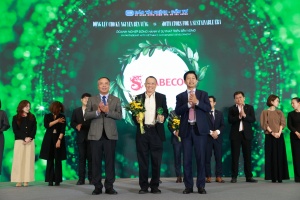
SABECO was recognised for its commitment to sustainable business and green-growth initiatives at the 2025 Sustainable Development Conference.

This is one of the largest Cloud ERP projects in Vietnam’s materials manufacturing industry, marking a significant milestone in Phu Tai’s journey towards building a modern, data-driven centralised management model.

The move aims to accelerate business growth amid global competition, demonstrating global-standard management solutions for mid-sized enterprises through a new implementation approach.

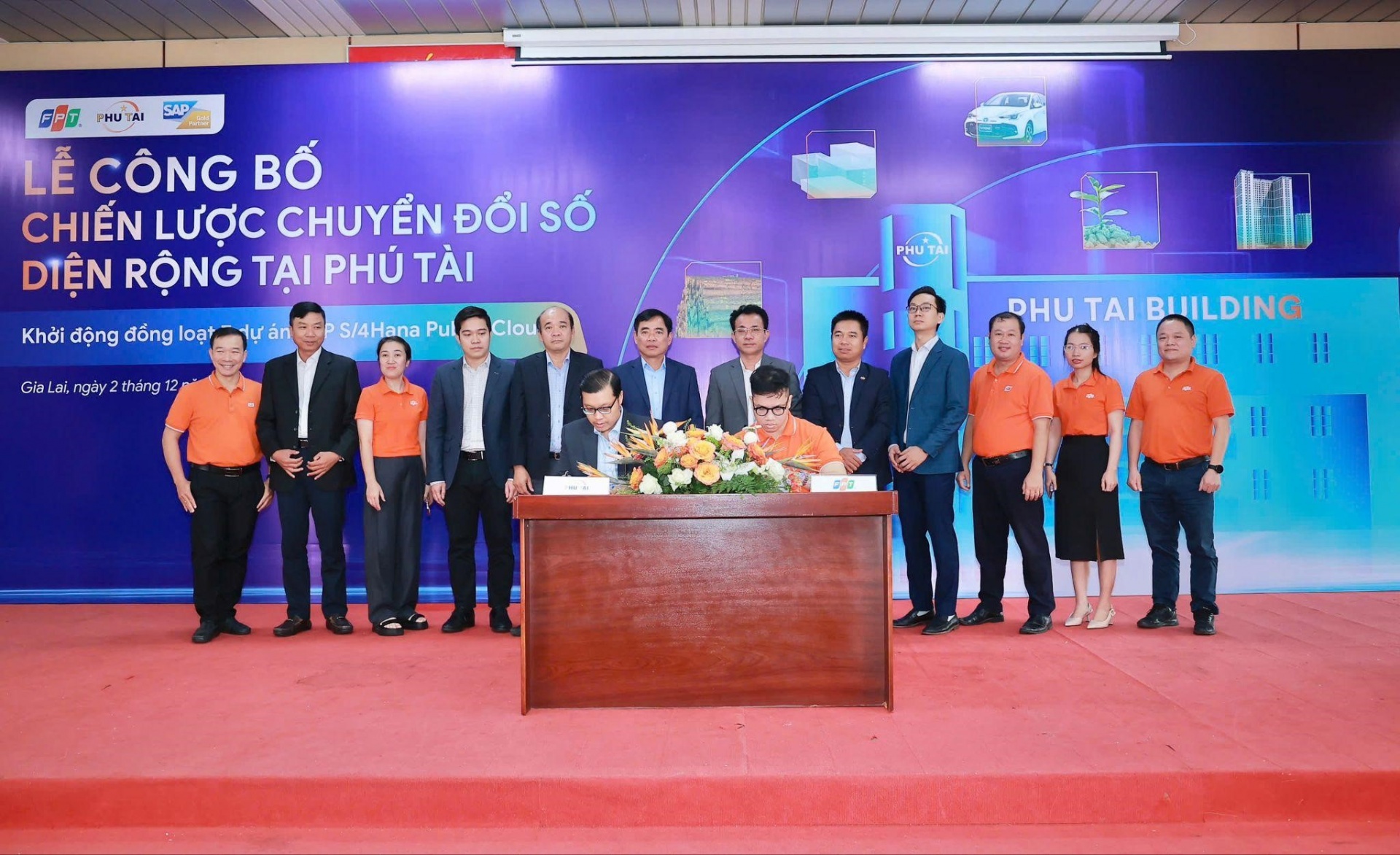
Building on the successful pilot deployment of SAP S/4HANA Cloud Public Edition at Phutai Quartz, the group’s core quartz stone manufacturing unit for export, Phu Tai has decided to roll out the system concurrently across seven additional units.

The implementation covers all critical business domains, including finance and accounting, sales, procurement, warehouse management, production, quality management, and e-invoice integration.

Phu Tai Group and FPT accelerate digital governance with SAP cloud ERP

Among them, stone manufacturing companies Phu Tai Binh Dinh Quartz Stone Co., Ltd., Tuan Dat Minerals Co., Ltd., Enterprise 380, Binh Dinh Stone Processing Plant, and Nhon Hoa Construction Materials Enterprise will be deployed simultaneously within four months, inheriting all operational models, processes, templates, and methodologies optimised at Phutai Quartz.

Meanwhile, implementation at wood sector companies Phu Tai Binh Dinh Wood Co., Ltd. and Thang Loi Enterprise will be tailored to the characteristics of the wood production value chain, while still adhering to group-wide governance standards.

At Phutai Quartz, within just five months, the adoption of a modern Cloud-based ERP system enabled the unit to transition to a new operating model built on a modern digital brain, helping to achieve seamlessly connected data, real-time process control, and decision-making powered by precise analytics.

More than 50 core business processes were prepared following global best practices for the quartz stone industry, along with over 60 reports and customised functions to help meet both international governance standards and Vietnamese regulatory requirements.

The impact of the strategy undertaken by Phu Tai is clearly reflected in its daily operations. Overall internal processing time dropped by 30 per cent, order handling, inventory checks, and stock decision-making were accelerated by up to 40 per cent. Real-time decision-making capabilities increased by 50 per cent thanks to dashboards and data analytics.

Inventory governance achieved exceptional accuracy with discrepancies kept below 2 per cent, while excess inventory decreased by 20-25 per cent, significantly reducing long-stagnant stock.

The demand forecasting system reached an accuracy level of up to 85 per cent, enabling Phutai Quartz to proactively secure global quartz raw materials and respond quickly to large and premium orders from demanding markets such as the US and EU.

The project is considered a trial run to validate the organisation’s readiness and adaptability, serving as a crucial foundation for Phu Tai’s confidence in the effectiveness of digitalised governance.

The large-scale deployment of SAP S/4HANA Cloud Public Edition reflects Phu Tai’s strong commitment to building a unified, modern governance platform, especially in the context of Vietnam’s stone and wood industries facing significant challenges such as rising international standards, fluctuating raw material costs, growing requirements for data transparency from export markets, and fierce competition from regional manufacturers.

The strategy of starting small and scaling up, and fully utilising the potential of Cloud ERP with implementation consulting from FPT, allows Phu Tai to access a global-standard management platform aimed at optimised cost and rapid deployment speed, a fundamentally different approach from traditional ERP implementation models.

This marks a transformative leap, propelling Phu Tai’s operational management into a new acceleration phase with technology as its backbone.

Phu Tai Group and FPT accelerate digital governance with SAP cloud ERP
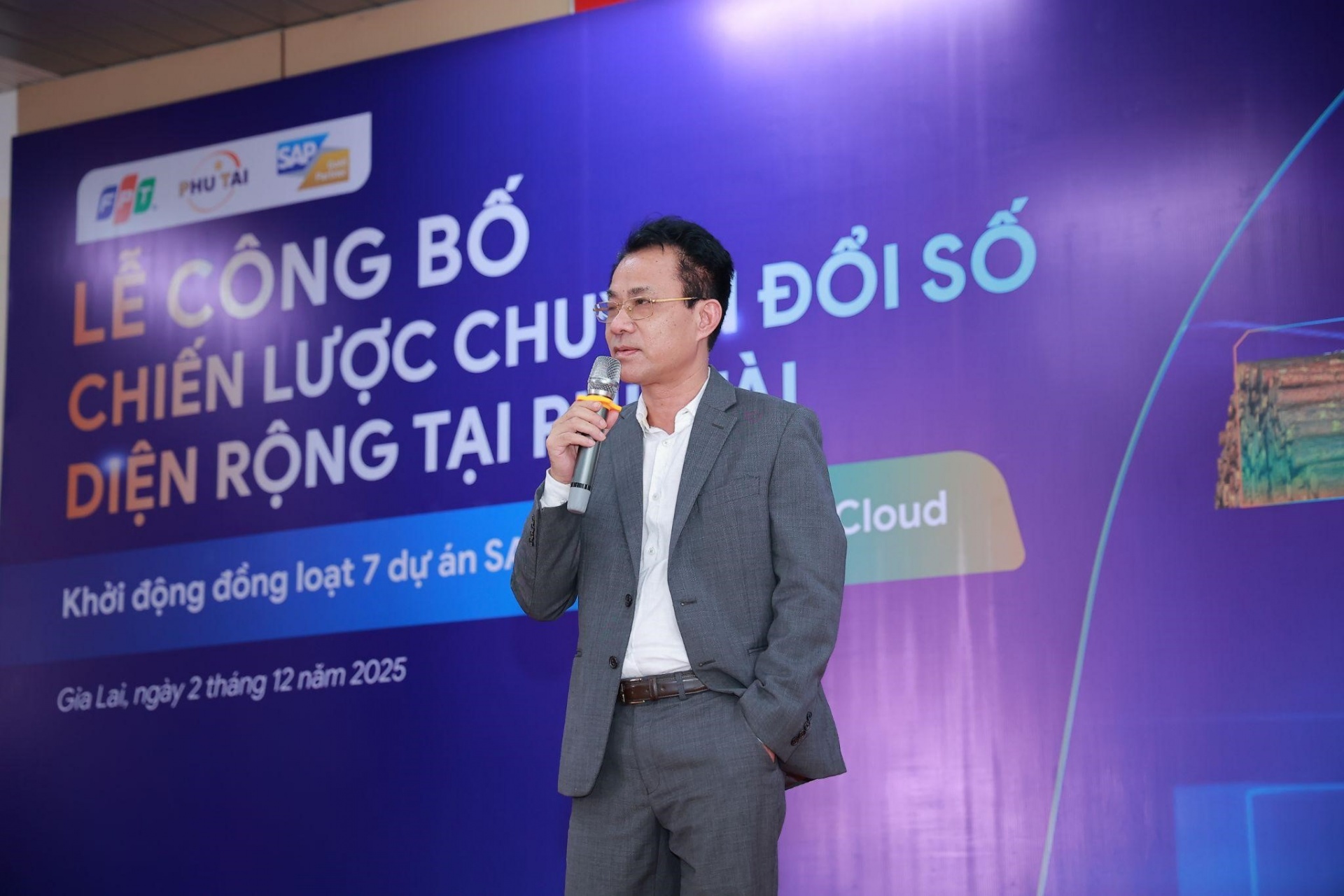
Nguyen Sy Hoe, CEO of Phu Tai JSC, giving remarks at the event

At the ceremony, Nguyen Sy Hoe, CEO of Phu Tai JSC, noted that the stone and wood manufacturing industries are inherently cautious in adopting technology because every decision directly affects productivity, quality, and operational material costs. Each factory and each production batch presents challenges in quality control, inventory accuracy, and cost efficiency. Processes are lengthy, data is siloed, material waste is hard to predict, and lead times are often prolonged.

“Therefore, together with FPT and SAP, Phu Tai has chosen a steady path, gradually building a digital operational DNA for the company, starting with Phutai Quartz as a solid foundation to scale the model across the entire group, elevating Phu Tai’s governance to international standards. We strongly believe that this next phase of innovation will drive Phu Tai’s acceleration in the new era”.

Dang Truong Thach, executive vice president of FPT IS, FPT Corporation, shared, “We sincerely appreciate Phu Tai’s leadership for continuing to place their trust in FPT as a strategic partner for this large-scale digital transformation initiative. Phu Tai launched the quartz stone project with a remarkable level of determination, aiming to go live within just five months, and together, we delivered on that ambitious commitment. This journey brought valuable lessons for both sides, and today, FPT remains a steadfast partner, supporting Phu Tai as they continue to roll out their enterprise-wide digital transformation across seven member units.”

Thach added that as the implementation expands across multiple units, this is no longer just a software project but a true transformation journey.

Phu Tai Group and FPT accelerate digital governance with SAP cloud ERP
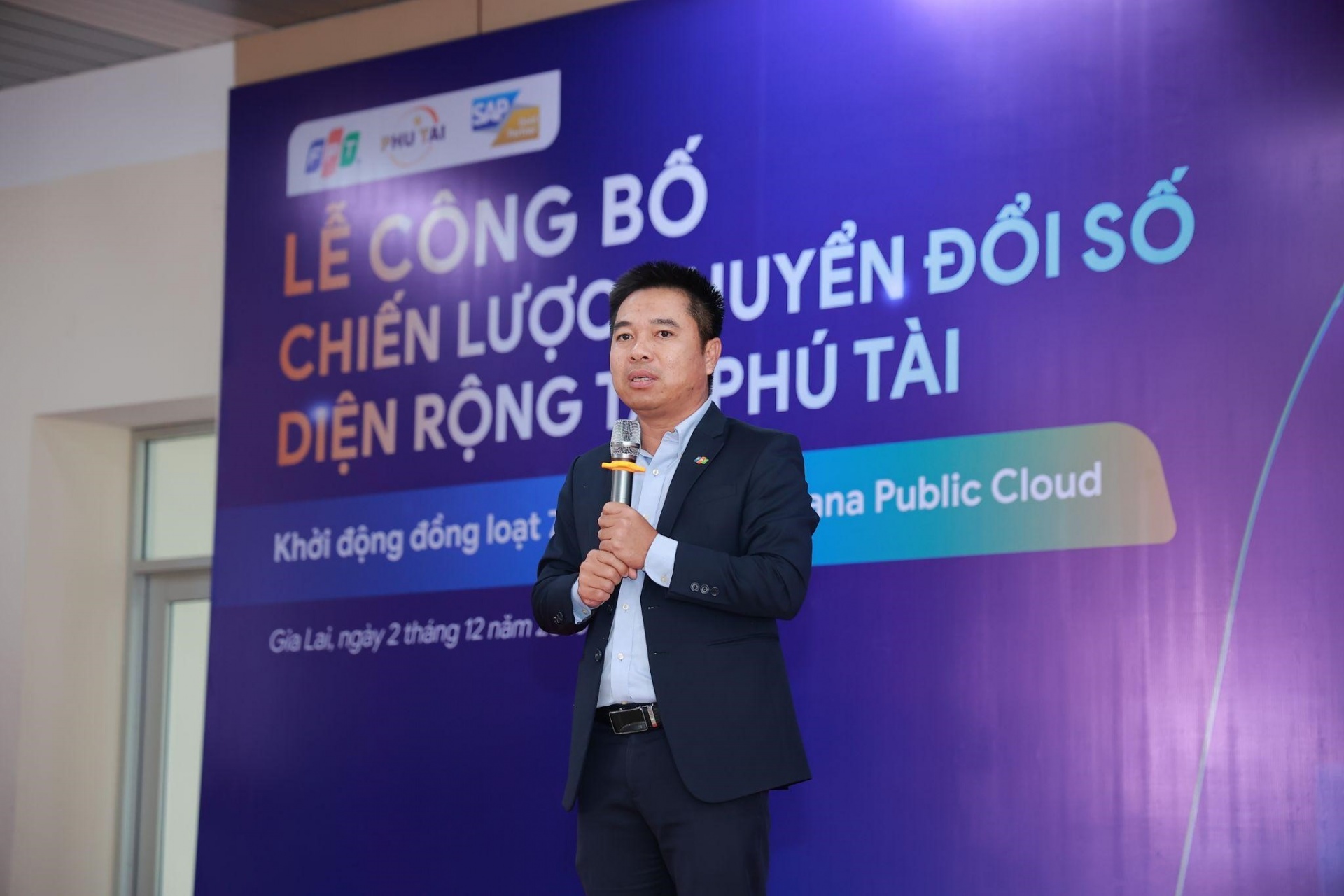
Dang Truong Thach, executive vice president of FPT IS, giving remarks at the event

“In digital transformation, every process must operate on a unified digital platform, much like travelling on a highway: to move fast, you must follow clear rules and cannot stop midway at will. Cloud ERP is no different; it must be built on standardised processes that align with international best practices while remaining practical for the Vietnamese business context,” he said.

Nguyen Hong Viet, managing director of SAP Vietnam, shared, “Phu Tai’s expanded roll-out of SAP S/4HANA Cloud Public Edition across its stone and wood subsidiaries reflects their forward-thinking approach to digital transformation. Building on top of Phutai Quartz’s successful transition to SAP Cloud ERP, we are proud to now support the group’s next phase of transformation together with our partner FPT. This continued collaboration shows how manufacturers like Phu Tai can rapidly and incrementally implement SAP Cloud ERP using a standardised framework and tools, helping them gain real-time insights, improve operations, and pursue sustainable growth.”

Phu Tai’s journey has become an exemplary success story, inspiring businesses to proactively embrace technology to achieve breakthrough growth, contributing to national digital transformation goals aligned with Resolution 57-NQ/TW, and strengthening Vietnam’s competitive position in global markets.

IT service providers form green transformation partnership IT service providers form green transformation partnership

IT service providers FPT IS and SK C&C have formed a strategic partnership to research and develop SK C&C’s net-zero factory in Southeast Asia and develop solutions to promote green transformation.

FPT IS marks 30th anniversary with vision for the future FPT IS marks 30th anniversary with vision for the future

More than 3,200 FPT IS employees participated in a 24-hour series of activities at VinWonders Nam Hoi An to mark the company’s 30th anniversary and embark on a significant business shift – Go Global.

FPT IS and Metrodata partner to secure leadership in AI, cloud, and cybersecurity in Indonesia FPT IS and Metrodata partner to secure leadership in AI, cloud, and cybersecurity in Indonesia

FPT IS Co., Ltd. and Metrodata Electronics, Indonesia’s leading IT company, signed a cooperation agreement on September 23 to establish a joint venture.

Fly to Con Dao from 0 VND with Vietjet mega promotion

The offer is available from now until December 4 on www.vietjetair.com and the Vietjet mobile app, applicable to travel dates from December 4 to March 28, 2026 (*).

Accordingly, Vietjet will operate one return flight per day on each route. Specifically, the flights will depart from Ho Chi Minh City at 11:00 and arrive in Con Dao at 11.40. In the opposite direction, the flights depart from Con Dao at 09.20 and arrive in Ho Chi Minh City at 10:05. For the Hanoi –⁠ Con Dao route, the flights depart from Hanoi at 06:45 and arrive in Con Dao at 08:55. In the opposite direction, the flights depart from Con Dao at 12:05 and arrive in Hanoi at 14:20.

From December 15, the frequency on both routes will increase to two return flights daily, offering even more convenient travel options for residents and visitors.

Fly to Con Dao from 0 VND with Vietjet mega promotion

Con Dao is an ideal destination for those seeking tranquillity and untouched natural beauty. Beyond its crystal-clear waters, lush forests, and slow-paced lifestyle, the island preserves many significant historical landmarks, allowing travellers to better understand an important chapter of the nation’s past.

To ensure a seamless journey to this exceptional destination, Vietjet operates a modern fleet, provides quality service, and offers competitive fares –⁠ delivering a comfortable and enjoyable flying experience to Con Dao, a land rich in history and breathtaking landscapes.

(*) The promotion does not apply during peak travel periods.

Airlines race to patch Airbus A320/A321 fleets Airlines race to patch Airbus A320/A321 fleets

Airbus has requested urgent software and hardware updates for a number of A320 and A321 aircraft, a move that could disrupt airline schedules worldwide.

Vietjet completes Airbus A320/A321 updates ahead of deadline Vietjet completes Airbus A320/A321 updates ahead of deadline

Vietjet has completed urgent software and hardware updates on its A320/A321 fleet, finishing ahead of schedule and reinforcing its safety standards.

New phase launched to support women-led ventures New phase launched to support women-led ventures

A nationwide conference reviewed a flagship initiative for female-led startups and launched a new decade-long support programme, with Prime Minister Pham Minh Chinh presiding.

Vietjet launches daily Manila flights to celebrate year-end festive peak season

Flights will depart from Tan Son Nhat International Airport (Ho Chi Minh City) at 11.05 every day and land at Ninoy Aquino International Airport (Manila) at 2.50 the next morning (local time). In the opposite direction, flights will take off from Manila at 3.45 and land in Ho Chi Minh City at 5.30 the same day.

On this occasion, Vietjet is offering thousands of 0 VND tickets (excluding taxes and fees) during the golden hours of 12.00-14.00 (GMT+7) every day and an additional 20 kg of free checked baggage for passengers booking Eco tickets on www.vietjetair.com and the Vietjet Air mobile app. The offer applies to flights from January 5 to May 28 (*).

Vietjet launches daily Manila flights to celebrate year-end festive peak season

With exclusive offers from Vietjet, Manila is now closer than ever. From the dynamic capital of Manila in the Philippines, visitors can easily connect to famous beach paradises such as Boracay, Palawan, and Cebu to enjoy the bustling festival atmosphere, the unique culture, and rich cuisine of the island.

Meanwhile, Ho Chi Minh City is the most dynamic economic and cultural centre in Vietnam, famous for Nguyen Hue walking street, Notre Dame Cathedral, Ben Thanh market and diverse cuisine, bringing a vibrant urban experience, both exploring culture and enjoying modern life.

Every flight with Vietjet will be a happy experience with friends and family, inspired by the new, modern, fuel-efficient fleet with professional flight crews and heartfelt service. Passengers can also enjoy fresh hot meals, including Vietnamese and international cuisine such as pho thin, banh mi, and iced milk coffee, along with unique cultural and artistic performances at an altitude of 10,000m.

Fly to the Philippines, renew yourself, let’s Vietjet!

(*) Specific flight times depends on each route. Note: Offers do not apply to some peak flight periods.

Vietjet completes Airbus A320/A321 updates ahead of deadline Vietjet completes Airbus A320/A321 updates ahead of deadline

Vietjet has completed urgent software and hardware updates on its A320/A321 fleet, finishing ahead of schedule and reinforcing its safety standards.

New phase launched to support women-led ventures New phase launched to support women-led ventures

A national conference reviewed a flagship initiative for female-led startups and launched a new decade-long support program, with Prime Minister Pham Minh Chinh presiding.

Fly to Con Dao from 0 VND with Vietjet mega promotion Fly to Con Dao from 0 VND with Vietjet mega promotion

To celebrate the resumption of Vietjet’s services connecting Hanoi and Ho Chi Minh City with Con Dao from December 3, Vietjet is offering an attractive “Golden 3 Days” promotion with fares starting from 0 VND (excluding taxes and fees).

This is the first time Fortune has expanded the list to the Southeast Asia region, honouring businesses with the best working environments in the region. The recognition marks an important milestone in the development journey of Masan Consumer, with a people-centric philosophy that creates an ideal environment for each employee to unlock their potential.

According to Fortune, against Southeast Asia’s fast-growing economy, the list honours organisations for achieving outstanding business results and shaping ideal workplaces for employees. Based on the Great Place To Work survey model, the ranking recognises companies where their staff have great trust in the organisation, pride in their work, and high team spirit.

Fortune’s evaluation process places a strong emphasis on real-world employee feedback through surveys, combined with in-depth assessments of companies’ corporate culture and human resources strategies. More than 1.3 million employees engaged in the survey to assess their workplaces, with over 550,000 verified survey responses.

Following a rigorous evaluation process, the result serves as testament to Masan Consumer’s ceaseless efforts to improve employee experience and foster a professional and dynamic working environment. This represents a well-deserved acknowledgment from Fortune – the organisation behind prestigious global rankings such as Fortune Global 500, Fortune’s Most Powerful Women and 100 Best Companies to Work For in the US and Europe.

Masan Consumer named by Fortune in 100 Best Companies to Work For in Southeast Asia

Masan Consumer (UpCOM: MCH) has been recognised as a Great Place To Work for three consecutive years, from 2023 to 2025, based on a comprehensive survey of more than 5,000 employees nationally. A remarkable 91 per cent of employees rated Masan Consumer as having an excellent working environment, up 4 percentage points on-year and underscoring the high trust of its employees. Masan Consumer achieved high scores across all criteria in the Trust Model (Credibility, Respect, Fairness, Pride, and Camaraderie), up by 2 to 4 points compared with previous surveys. This demonstrates the company’s comprehensive human development strategy, fostering a creative and cohesive environment for employees to unlock their potential and contribute to the overall success of the organisation.

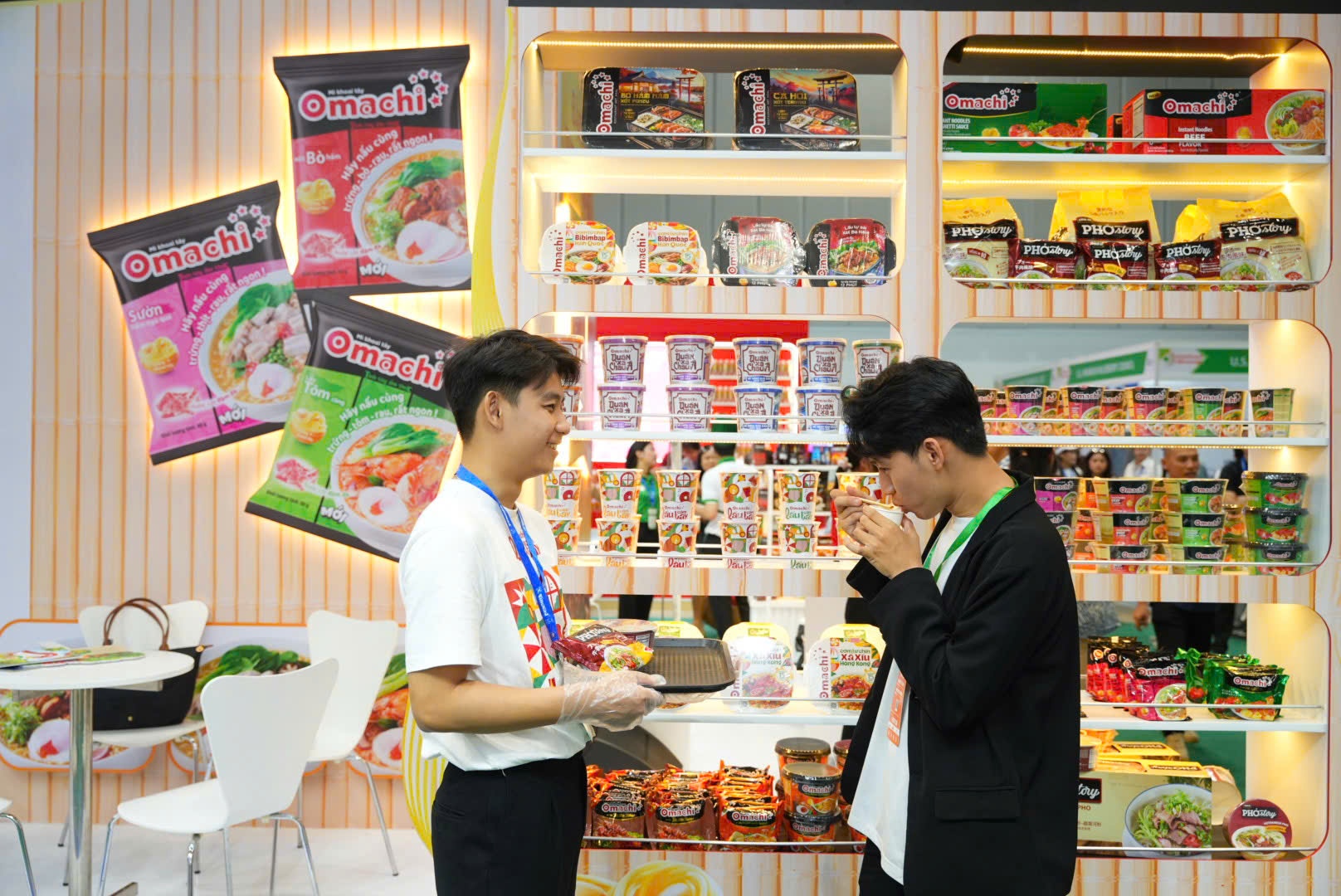
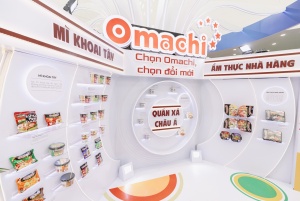
For nearly 30 years of development with the mission of serving consumers, Masan Consumer has constantly innovated to bring quality products, meeting the essential needs of millions of Vietnamese families. The company boasts a diverse portfolio of FMCG products in the fields of seasonings, convenience foods, beverages, home, and personal care, with well-known brands such as CHIN-SU, Nam Ngu, Omachi, Kokomi, and Wake-Up 247. Masan Consumer’s products are present in over 98 per cent of Vietnamese households and exported to more than 26 countries.

Masan Consumer named by Fortune in 100 Best Companies to Work For in Southeast Asia

In 2025, Masan Consumer was honoured as the No.1 Enterprise of Choice 2025 (FMCG – Diversified Categories) in a non-profit survey conducted by CareerViet. This award reflects the company’s strong attractiveness to talents in the industry, while affirming its reputation and leading position in Vietnam’s FMCG market.

More than just awards, Masan Consumer’s recognition affirms the trust and cohesion it has built within its workforce, reflecting the company’s human development strategies that deliver real value. This recognition serves as a strong foundation and motivation for Masan Consumer to create a workplace that attracts, nurtures, and empowers talent with ambition. The company is committed to becoming a source of national pride, serving Vietnamese consumers, and reaching out to the world.

MCH poised to become Vietnam's new 'national stock' MCH poised to become Vietnam’s new ‘national stock’

Masan Consumer’s MCH shares are set to list on the Ho Chi Minh Stock Exchange (HoSE), with strong potential to become the country’s next “national stock”.

Masan Consumer strengthens its position at home and abroad Masan Consumer strengthens its position at home and abroad

Masan Consumer has cemented its position as a top fast-moving consumer goods company, shaping Vietnamese consumer habits while expanding its international presence.

New consumer bluechip to debut on HSX: what will MCH bring to the market? New consumer bluechip to debut on HSX: what will MCH bring to the market?

Masan Consumer (MCH) will announce detailed information on December 4 regarding its listing plan on the Ho Chi Minh City Stock Exchange (HSX), marking an important milestone in the company’s development journey.

At the Sustainable Development 2025 Conference on November 27 in Hanoi, Nguyen Thi Ngoc Hue, senior general manager of people and brand strategy, and corporate and supplier quality management, shared the retailer’s new development agenda for 2026-2030.

AEON Vietnam charts an ambitious growth path, focusing on sustainability, product quality, and future talent development
Nguyen Thi Ngoc Hue, senior general manager of people and brand strategy, and corporate and supplier quality management

She said that Vietnam will remain one of AEON’s most strategic markets for the coming decade. With rapid urbanisation, stable economic growth, and an increasingly attractive business environment, Vietnam provides strong foundations for AEON to scale up.

“From 2026 to 2030, AEON Vietnam will expand into more provinces and cities to be closer to communities across the country. AEON aims to triple its revenue during this period,” she said.

This expansion involves both the number of new stores and their proximity to emerging residential areas where living standards and consumer demand are rising. Hue noted that the strong Japan-Vietnam partnership further boosts investor confidence.

“Japan and Vietnam enjoy a very strong bilateral relationship. This creates favourable conditions for AEON’s expansion, especially in the post-merger period when administrative procedures have become faster and local expansion opportunities more diverse,” she added.

More than a decade of operations in Vietnam has enabled AEON to accumulate valuable experience in developing local supply chains. As the retailer expands its footprint, its ability to connect with suppliers across the country also increases.

Hue emphasised that support from local authorities has helped AEON proactively source products and access more small- and medium-sized enterprises. This creates opportunities to bring speciality and local products into AEON’s modern retail system.

“We hope to offer convenient products at good prices for consumers, while partnering with local businesses to develop their unique regional products,” she said.

In recent years, consumer behaviour has shifted significantly. Post-Covid, shoppers increasingly prioritise health, product quality, and transparency of origin. As a result, the share of green, clean, and organic products at AEON has risen sharply, aligning with the retailer’s quality standards.

To ensure product quality, AEON applies rigorous inspection processes. Its teams frequently visit suppliers’ facilities to verify production conditions and product integrity.

AEON also conducts annual training sessions for existing suppliers, sharing solutions to common challenges. Potential suppliers are supported through seminars that provide guidance on AEON’s standards and best practices from small suppliers who have successfully transformed into official partners.

Hue explained that AEON adopts a three-stage development roadmap for suppliers:

  • Stage 1: Preparation – helping potential partners understand requirements and build necessary capabilities.

  • Stage 2: Partnership – supporting suppliers in improving production, management, and product quality, including participation in AEON’s private label programme, AEON TopValue.

  • Stage 3: Export – once suppliers reach the required level, products can be exported to overseas markets through AEON’s network.

“AEON not only partners with suppliers but also trains them. We expect Vietnamese suppliers to go beyond the domestic market and eventually enter international markets,” she said.

AEON Vietnam charts an ambitious growth path, focusing on sustainability, product quality, and future talent development

Beyond retail and supply chain development, AEON dedicates significant resources to community education, especially nurturing the next generation.

AEON’s education ecosystem is structured around three pillars: knowledge, experience, and financial support, tailored to three groups: primary school pupils, secondary school students, and university students. For primary students, AEON offers the AEON Cheers Club and AEON’s “sustainability squad”, focusing on environmental education and experiential learning.

For secondary students, the AEON Ambassador programme enables participants to exchange ideas on sustainability and join creative competitions. For university students, AEON provides scholarships and opportunities to join the Asian Youth Leaders programme, where they engage with peers from across Asia to discuss sustainable development issues in their respective countries.

These programmes help young Vietnamese gain international exposure, deepen their understanding of sustainability, and strengthen community engagement.

With strong momentum in expansion, efforts to upgrade product standards, support for local suppliers, and investments in future generations, AEON Vietnam is shaping a retail model that stays deeply connected with local communities.

These initiatives are not only the long-term commitment of a Japanese investor in Vietnam, but also reflect the country’s broader sustainable development goals.

AEON Vietnam expands retail footprint in 2025 AEON Vietnam expands retail footprint in 2025

Japanese retail giant AEON Vietnam is accelerating its expansion plans in 2025, following the opening of two new business locations in October, marking a new phase in the company’s strategy to diversify retail formats and scale operations across different regions.

AEON Group provides $184,000 in relief to storm-affected communities AEON Group provides $184,000 in relief to storm-affected communities

AEON Group in Vietnam has donated over $184,000, including $80,000 worth of essential goods, to support communities affected by typhoons Matmo and Bualoi, reaffirming its commitment to social responsibility and disaster relief efforts.

Green manufacturing insights and transformations: SABECO's path to industry leadership Green manufacturing insights and transformations: SABECO’s path to industry leadership

In an era when global market forces, consumer expectations, and national emphasis converge towards sustainability, green manufacturing has shifted from a corporate aspiration to an economic imperative. For Vietnam, this shift is especially urgent, and highly strategic.