Future of railways is connected with AI and 5G technologies

A robotic dog, equipped with advanced cameras and sensors, autonomously inspects railcars – streaming live data over private 5G for instant AI-driven defect detection. Complementing this, wayside automated visual inspection systems scan trains at full speed, analysing wheels, axles, and structural integrity in real time.

In today’s rapidly evolving landscape, governments and critical industries face growing demands for secure, reliable, and intelligent communications. Sectors like public safety, defence, utilities, rail, and digital airspace today need infrastructure that supports real-time video feeds, AI-enhanced analytics, and mobile collaboration without sacrificing reliability.

Governments and critical industry organisations are expected to further incorporate advanced technologies like AI, machine learning, and data analytics to improve predictive policing, resource allocation, and response times. Emerging tools such as drones and autonomous vehicles are anticipated to play increasingly significant roles in surveillance and emergency response efforts.

The future of railways is connected with AI and 5G technologies
Rita Mokbel, president, Ericsson Vietnam

We envision a future where public sector organisations have access to standardised, broadband -based communications that are not only secure and interoperable, but also intelligent and responsive.

As governments and critical sectors accelerate their digital transformation, communications service providers (CSPs) are uniquely positioned to offer next-generation mission-critical communication services on top of 4G and 5G networks. Mission-critical networks are specifically designed to meet the stringent requirements of public safety, defence, utilities, rail, and digital airspace sectors where secure, reliable, and high-performance connectivity is essential.

These networks are built upon 3GPP standards and leverage leading 4G and 5G technologies to deliver broadband capabilities for mission-critical services such as push-to-talk, real-time video, and data for professional users whose work directly impact the safety, security, and operational efficiency of critical services and organisations. These can include first responders, defence personnel, railway staff, utility workers, and government officials. The networks provide reliability, availability, and security that standard commercial networks might not be able to offer.

Let me deep dive into the example of railways. We are entering the era of highly connected railways. From connected passengers to digitalised operations, the rail transport sector is exploring digitalisation to enhance user experience, increase efficiency in their day-to-day operations, and maintain network security.

The future of digital railway depends on reliable critical mobile broadband connectivity powered by innovative 5G network solutions for faster, safer, and greener travel.

3GPP is the modern standard for mission-critical mobile communications. 4G and 5G will enable a much broader ecosystem of communication devices and sensors to be utilised, and will therefore reduce total cost of ownership. The advantage of building an open framework is that it gives the urban metro and mainline rail operators the tools they need to keep trains competitive with other emerging forms of transportation, such as self-driving cars.

Upgrading to 5G mobile technology means that networks can handle large volumes of data with much faster response times. This change will bolster operations by allowing for network slicing on a single network, supporting various use cases, including the remote control of trains travelling at speeds of up to 500km/h.

As part of the service provider Swisscom’s initiative to unleash the next wave of 5G enterprise across Switzerland, Europe, and the world, Swisscom, Ericsson, and Swiss Federal Railways collaborated in multiple connectivity projects for railway track coverage, including to test and achieve world-first 5G throughput speeds of 1.2 Gbps and latency as low as eight milliseconds – on a moving train.

Stronger communications infrastructure means rail operators are equipped with a more capable set of eyes and ears, so passengers can travel safely and punctually, while operational efficiency is improved across the board.

Security video surveillance is vital for any rail operator’s security measures. With a suite of highly networked cameras located both in train stations and the trains themselves, rail operators can respond to potential threats and can gain greater insight into certain events with increased readiness and clarity.

As reliance on digital infrastructure grows, cybersecurity will become a paramount concern, necessitating robust measures to protect critical infrastructure like energy grids and communication networks, alongside ensuring the security of personal and sensitive data.

Ericsson’s mission-critical networks portfolio empowers CSPs to meet this demand by offering 3GPP-compliant 4G and 5G solutions that are scalable, interoperable, and tailored for the unique needs of such operations. CSPs can deliver resilient connectivity that enhances situational awareness, operational efficiency, and cross-agency collaboration, either through dedicated private networks or hybrid models leveraging existing infrastructure.

Whether it is enabling autonomous drones in emergency response, safeguarding national infrastructure with advanced cybersecurity, or supporting high-speed rail and smart power grids, Ericsson is helping governments and critical industries bring their digital ambitions to life.
SABECO brings 150-year heritage journey to Buon Ma Thuot

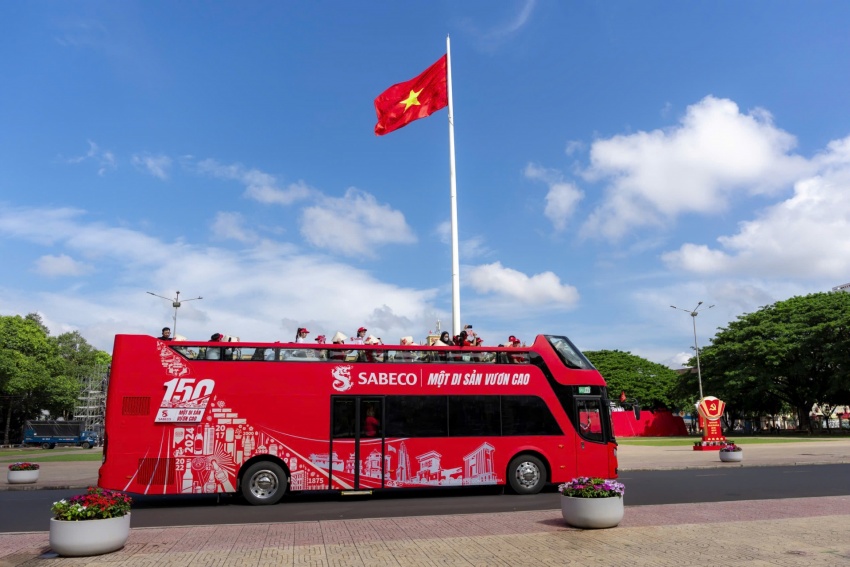
On October 10 in Dak Lak, locals participated in double-decker city tours as part of SABECO’s nationwide campaign marking 150 years of brewing tradition. At the fifth stop of the ‘Heritage Journey,’ the brewery combined its historic legacy with experiences promoting community connection and sustainable development across Vietnam.

Launched in Ho Chi Minh City on 12 September, the journey has already travelled through Can Tho, Vinh Long, and Vung Tau, each stop symbolising the values of connection and sharing. By reaching communities across Vietnam, SABECO is bringing its heritage story closer to people from the south to the north.

SABECO brings 150-year heritage journey to Buon Ma Thuot

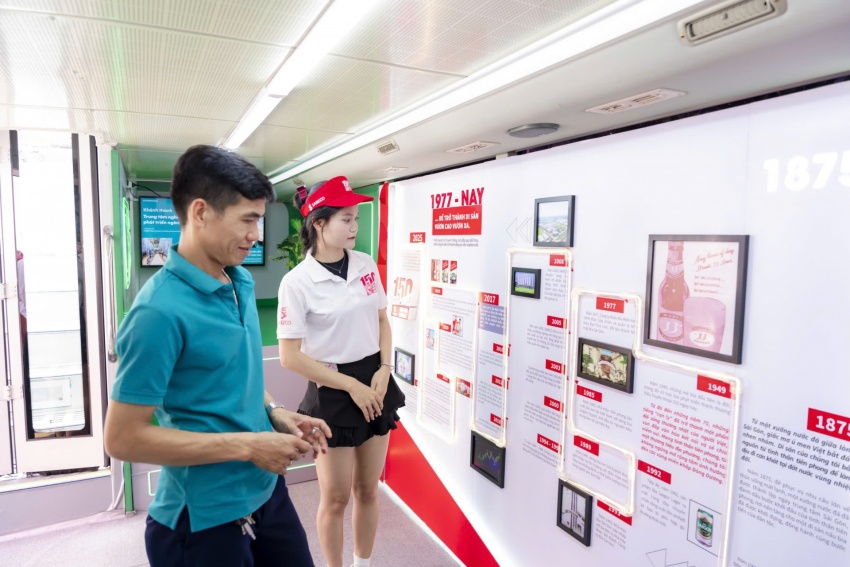
In Buon Ma Thuot, the bus, featuring a miniature exhibition, stopped at Co.op Mart and the Victory Monument, attracting hundreds of visitors. Inside, three curated spaces highlighted SABECO’s past, present, and future, showcasing its 150-year history, the contributions of Vietnam’s largest team of brewmasters, world-class ingredients, and the company’s commitment to sustainable development, community engagement, and social responsibility.

Automatic bottle and can recycling machines encouraged visitors to take simple, practical steps for the environment. After the exhibition, the bus toured key spots in Buon Ma Thuot, including Nguyen Tat Thanh Park, the local market, and Dak Lak Museum, combining sightseeing, photo opportunities, and live music on board to create an engaging experience.

Beyond its business presence through the Ho Chi Minh City – Dak Lak Brewery and retail network, SABECO has fostered strong ties with the province. Projects in Krong Nang district have improved rural infrastructure, enhanced lighting, and contributed to the development of Dak Lak’s new countryside.

SABECO brings 150-year heritage journey to Buon Ma Thuot

The heritage journey in Dak Lak continued on October 11 in Buon Ma Thuot as part of SABECO’s third instalment of its large-scale cultural and entertainment series, blending music with interactive exhibition spaces. Residents enjoyed live performances, explored SABECO’s brewing history, and learned about its future vision, with artists such as Tieu Minh Phung and Hoang Yen Chibi adding to the vibrant atmosphere in the heart of the Central Highlands.

Following Dak Lak, the heritage journey will move north to Binh Dinh, Nghe An, and Hanoi. Through the series, SABECO aims to create community spaces, celebrate its 150-year brewing tradition, and reaffirm its commitment to sustainable development and shared prosperity across Vietnam.

On 3 September 2025, the Government issued Decree No. 239/2025/ND-CP (“Decree 239”), amending Decree No. 31/2021/ND-CP guiding the implementation of the Law on Investment. Compared with previous regulations, Decree 239 represents a major policy shift aimed at addressing practical challenges and aligning investment regulations with Vietnam’s new socio-economic development strategy.

A key reform is the reduction of processing times for investment procedures. The timeline for issuing an Investment Registration Certificate has been shortened from 15 days to 10 days. Likewise, the appraisal and approval periods for investment policy decisions have been reduced to 38 days for projects under the authority of the Prime Minister and 26 days for those under the authority of provincial People’s Committees. These reforms are expected to cut administrative time, reduce costs for investors, and enhance Vietnam’s competitiveness.

Another notable change is the prioritization of digital technology and semiconductors. For the first time, the concept of a “digital technology zone” has been introduced, with a legal status equivalent to industrial zones, export processing zones. Projects in these zones will enjoy similar incentives, procedures, and management frameworks. In addition, the list of sectors eligible for investment incentives has been expanded to cover activities such as AI data centers, semiconductor chip R&D, design, manufacturing, packaging, and testing, as well as digital startups and infrastructure for digital technology zones. This marks a significant step in strengthening Vietnam’s legal foundation for digital infrastructure and the semiconductor supply chain.

Important revisions also concern projects involving land use. New regulations of Decree 239 provide that investment project terms and implementation schedules will now be calculated from the date of actual land handover, rather than from the date of investment approval. If land handover is delayed by the authorities, investors are not required to adjust their approval decision or IRC; instead, project timelines will follow the land handover record. This change is designed to prevent project delays caused by administrative bottlenecks.

Market access rules for foreign investors have also been eased. Sectors related to the production and trading of weapons, explosives, support tools, and certain military equipment have been moved from the “restricted market access list” to the “conditional market access list.” Accordingly, foreign investors may now enter these sectors subject to compliance with specific conditions and requirements.

Overall, Decree 239 represents a comprehensive improvement of Vietnam’s investment framework. By shortening appraisal timelines, linking project schedules to actual land handovers, expanding incentivized sectors—particularly in digital technology, AI, and semiconductors—and enabling conditional foreign market access in defense-related industries, the Decree is expected to reduce costs, improve legal certainty, and attract high-value investments. At the same time, investors should be aware of potential transitional risks, such as differing interpretations across localities, technical requirements for digital systems, and sector-specific compliance conditions.

After more than 15 years of implementation, the Law on Food Safety 2010 has revealed significant limitations, particularly in keeping pace with modern production practices, e-commerce, and emerging technologies. In response, the National Assembly is currently drafting the Law on Food Safety (Amended) (“Draft”), with the objective of enhancing regulatory efficiency, strengthening food safety controls, and protecting consumer rights.

The Draft places strong emphasis on tightening conditions for food trading on e-commerce environment. A key revision is the requirement for online food businesses, in addition to compliance with existing food safety regulations, to provide sufficient information for traceability and meet further obligations such as ensuring consumer data confidentiality and publicly disclosing their licenses and details of registrants or product self-declarations.

Futhermore, the Draft also proposes stricter rules on food advertising. The Draft expands the scope of prohibited practices, including the use of images and words of doctors, pharmacists, and patients in advertisements. It also requires Key Opinion Leaders to disclose sponsorship relationships when advertising health supplements, dietary supplements, food for special dietary uses, and nutritional products for children under 36 months of age.

Packaging and labeling requirements are also proposed to be more stringent. Outer packaging labels of food and food ingredients must include barcodes, QR codes, DataMatrix codes, or other forms of code printing, in accordance with relevant coding regulations. This measure aims to strengthen transparency and facilitate traceability throughout the supply chain.

Another important proposal of the Draft is the classification of food products by risk level: high, medium, or low. Depending on their assessed risk to consumer health, food products and ingredients will be subject to either registration for circulation to the competent state authority or self-declaration. Both circulation registration certificates and self-declarations will have a five-year validity period. This reform seeks to improve oversight, prevent indefinite product announcements, and ensure that product information is regularly updated. Products classified as high-risk or medium-risk and subject to circulation registration is proposed to include health supplements, food for special dietary uses, nutritional products for children under 36 months of age, and other dietary supplements.

Overall, the Draft reflects the State’s determination to strengthen standards and tighten quality management in the food sector. By reinforcing product controls, increasing transparency, and expanding penalties, the Draft aims to curb the circulation of unhygienic and counterfeit food, better protect public health, and align Vietnam’s food safety management system with the demands of a modern, technology-driven economy.

On 5 September 2025, the Department of Wages and Social Insurance issued Official Letter No. 1198/CTL&BHXH-BHXH (“Official Letter”), providing clarification on issues raised by organizations regarding the determination of salaries as the basis for compulsory social insurance contributions under Decree No. 158/2025/NĐ-CP.

The Official Letter affirms that the monthly salary used as the basis for compulsory social insurance contributions shall include job- or position-based salary, salary allowances, and other additional payments. For employees whose wages are determined by the employer, the job- or position-based salary must be calculated monthly based on the salary system reflected in the labor contract.

Salary allowances will also be included where they are paid as compensation for factors such as working conditions, job complexity, living conditions, or labor market attractiveness, provided that these allowances are specified in the labor contract. Similarly, other additional payments form part of the social insurance contribution base if they are (i) stated as a definite amount together with salary, (ii) agreed in the labor contract, and (iii) paid regularly and stably in each pay period.

In contrast, other benefits and welfare schemes specified in separate sections of the labor contract, including but not limited to: bonuses, initiative rewards; meal allowances; allowances for transportation, fuel, telephone, housing, childcare, or child-rearing; support provided in cases where an employee’s family member passes away, gets married, or on the employee’s birthday; allowances for employees facing difficulties due to occupational accidents or diseases; and other forms of support or allowances, such payments shall not be deemed as salary for the purpose of calculating compulsory social insurance contributions for employees.

With this guidance, enterprises and organizations now have a clearer legal basis for determining the components of salary subject to compulsory social insurance contributions, ensuring compliance with Vietnam’s updated regulations.

On 8 September 2025, the Ministry of Construction issued Official Letter No. 9600/BXD-KTQLXD (“Official Letter”) to clarify the authority for issuing construction permits in the context of implementing the two-tier local government model.

According to the Official Letter, the authority to issue construction permits shall be determined based on the grade of the construction works. Specifically, Commune-level People’s Committees are authorized to issue construction permits for grade-III and grade-IV construction works, as well as detached houses within their respective jurisdictions. Provincial-level People’s Committees are authorized to issue construction permits for special-grade, grade-I, and grade-II construction works, and for other works that require construction permits, except those under the authority of commune-level People’s Committees as mentioned above.

In addition, depending on local circumstances, provincial-level People’s Committees may delegate authority to the Department of Construction, Management Boards of industrial zones, export processing zones, high-tech zones, or economic zones to issue construction permits within their scope of management.

Accordingly, under this new guidance from the Ministry of Construction, enterprises and individuals should determine the appropriate authority for construction permitting based on the grade classification of their projects.

Mercedes-Benz distributor report a 25 per cent decrease on-year in revenue

According to its third-quarter financial report, Hang Xanh Automobile Service JSC (Haxaco, stock code: HAX) recorded revenue of approximately VND1.15 trillion ($46 million), a 25 per cent decrease compared to the same period last year. After expenses, the company reported a loss of nearly VND26 billion ($1 million), whereas in the third quarter last year it posted a profit of over VND90 billion ($3.6 million).

This is the company’s first reported loss in four years, a period previously described by leadership as unprecedented during the COVID-19 outbreak, which forced multiple branches to close for months.

Explaining the poor performance in the third quarter, Haxaco’s financial report cited continued weakness in the luxury car segment due to tightened consumer spending. Meanwhile, competitive pressure from other premium brands has increased, with rivals constantly launching new models accompanied by incentives and financial support. Discounts are no longer limited to luxury vehicles but have spread to mass-market segments as well. In addition, operating costs rose as the company is in the process of expanding its operations.

For the first nine months of 2025, Haxaco posted revenue of approximately VND3.14 trillion ($125 million), a 15 per cent drop on-year. Almost 90 per cent of its revenue came from car sales, with the rest from spare parts and repair services. During this period, the company made a profit of just VND1 billion ($40,000), a fraction of the VND 144 billion ($5.7 million) posted in the same period last year. This is far below the company’s pre-tax profit target of VND260 billion ($10 million) set at the beginning of the year.

As of the end of September, Haxaco’s total assets stood at over VND 2.36 trillion ($94 million), with liabilities exceeding VND1 trillion ($40 million).

According to Mirae Asset Vietnam Securities, Haxaco was the first official Mercedes-Benz distributor in Vietnam and held about 40 per cent of the brand’s market share as of mid-2025. In addition to Mercedes-Benz, the company also distributes MG vehicles (originally a British car brand, now owned by a Chinese company).

The securities company forecast that Haxaco’s revenue and post-tax profit this year will reach VND6.38 trillion ($255 million) and VND271 billion ($10.8 million), respectively, increases of 16 and 33 per cent on-year. However, Mercedes-Benz sales volume are likely to decline by 12 per cent, while MG sales will grow by 66 per cent.

Discount paradise for auto buyers Discount paradise for auto buyers

As part of a new package to help the automobile market stay afloat after this year’s global woes, locally-manufactured vehicles will benefit from a massive cut in registration fees, but imported vehicles will not miss out in the price war as makers throw potential customers huge savings.

Mercedes-Benz Vietnam set to open a new showroom in OfficeHaus Mercedes-Benz Vietnam set to open a new showroom in OfficeHaus

German luxury automotive brand Mercedes-Benz is set to open a new showroom in OfficeHaus in Ho Chi Minh City by the end of 2022.

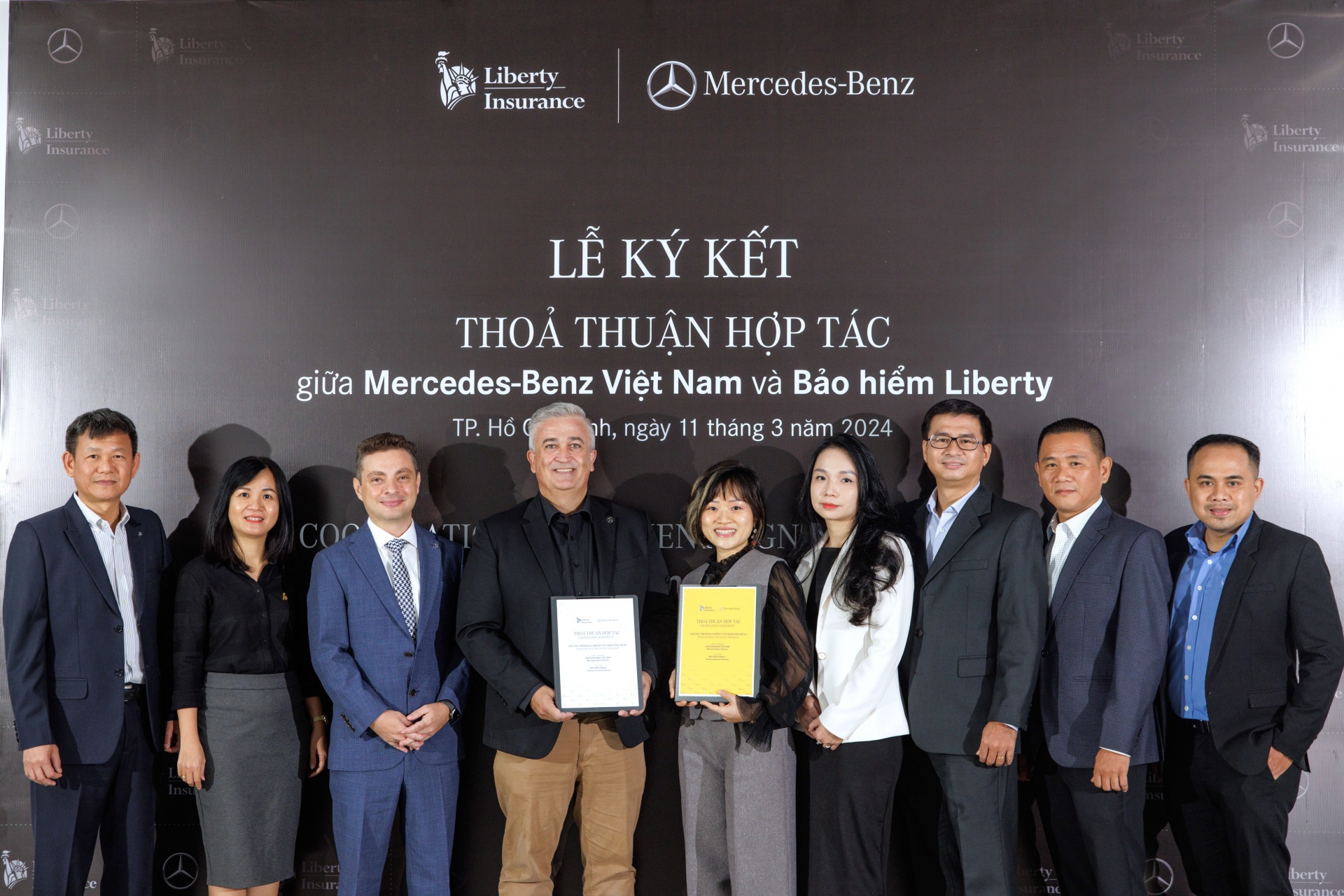
Liberty Insurance Vietnam and Mercedes-Benz Vietnam sign insurance deal Liberty Insurance Vietnam and Mercedes-Benz Vietnam sign insurance deal

Liberty Insurance Vietnam and Mercedes-Benz Vietnam on March 11 signed an agreement regarding the Mercedes-Benz Car Insurance program to help customers access a comprehensive auto insurance solution.

German court rules against Mercedes in emissions case German court rules against Mercedes in emissions case

A German court ruled Thursday that auto giant Mercedes-Benz knowingly installed emissions-cheating devices in some diesel vehicles, opened the door for owners to seek compensation.

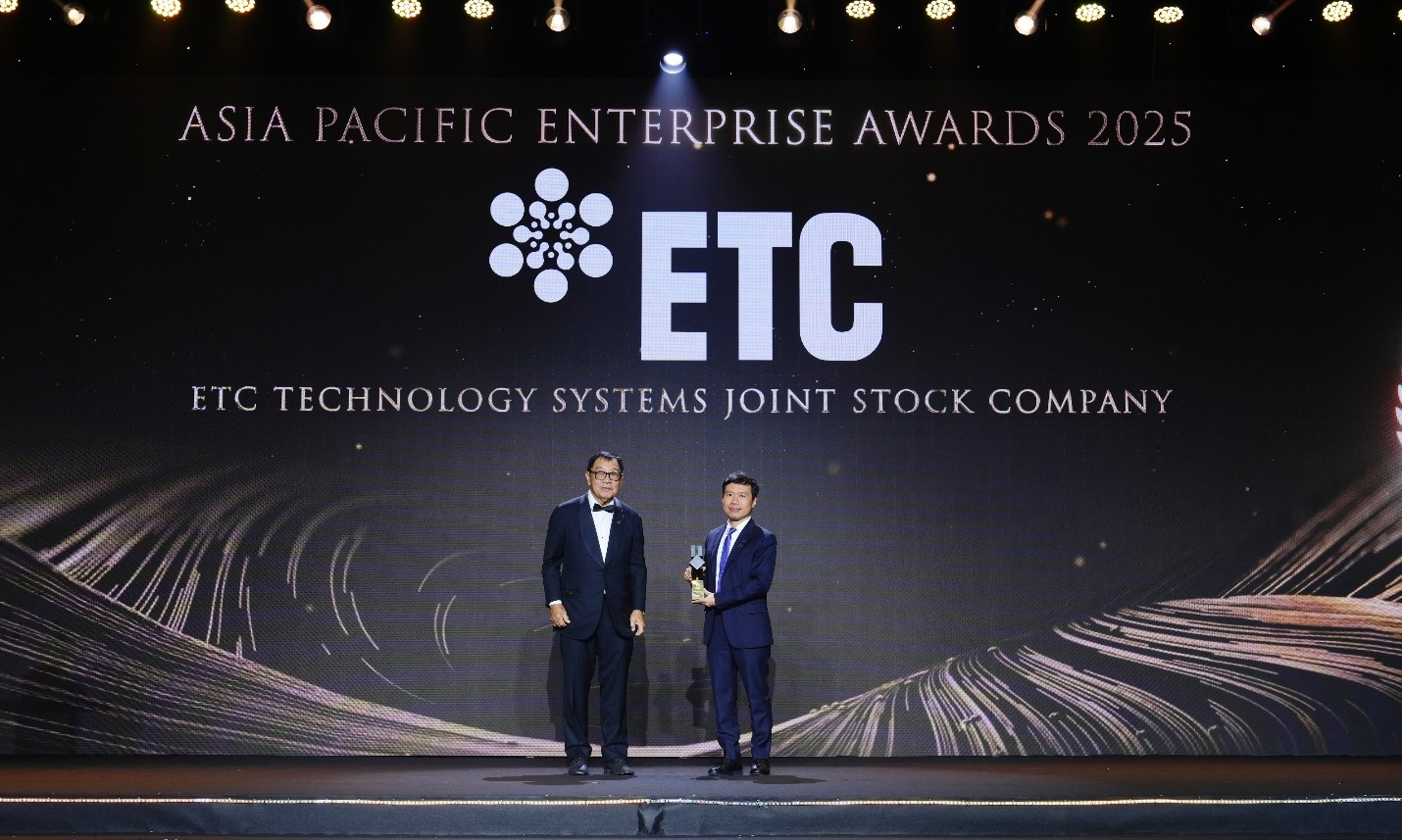
Celebrating two decades of establishment and growth, ETC has pioneered comprehensive digital transformation solutions for organisations and businesses across Vietnam.

ETC Technology Systems JSC awarded for corporate excellence

This award acknowledges ETC’s continuous efforts in delivering high-quality, innovative technology solutions, and spearheading the development of Vietnam’s IT industry.

ETC’s core offerings involve providing customised, comprehensive technology solutions, specialising in system integration, data centre construction, cloud computing, network infrastructure and cybersecurity. The company also provides industry-specific solutions, maintenance services, and information security assessments.

ETC has successfully deployed numerous complex, comprehensive, highly reliable and exceptionally effective technology solutions for a strategic client base with unique technical and security requirements.

This portfolio includes key government agencies such as the Ministry of Public Security and Ministry of Finance, leading banks including VietinBank, Vietcombank, and BIDV, and major corporations like Airports Corporation of Vietnam and Vietnam Electricity.

Serving as a strategic partner to over 50 global technology firms, ETC holds the highest-tier partner status in Vietnam from major industry players, including Dell Technologies, Cisco, and Palo Alto Networks.

This standing allows ETC to continuously elevate its personnel’s expertise, optimise solutions, and enhance its ability to handle complex projects with stringent technical and security requirements.

As Vietnam’s leading provider of digital technology ecosystems, the company has earned numerous prestigious titles from its global vendors, alongside a multitude of respected national and international awards over the past two decades.

ETC Technology Systems JSC awarded for Corporate Excellence
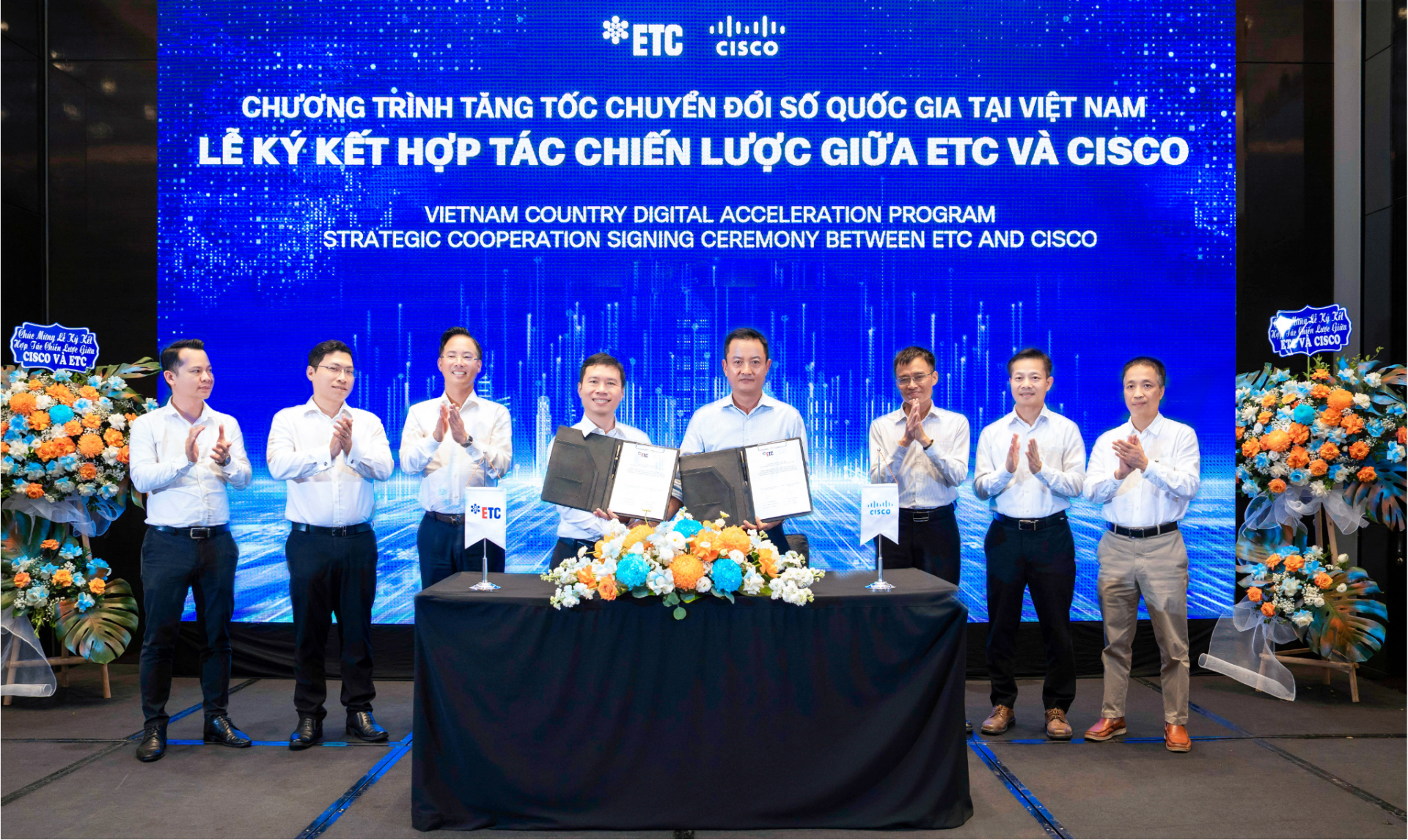
ETC and Cisco’s strategic partnership signing ceremony

Pursuing technological self-reliance, ETC has developed numerous intelligent, Vietnam-based solutions, consequently driving a powerful transformation across many critical national sectors, especially aviation.

ETC’s Biostation end-to-end biometric identification system, directly linked to the national population database, has been successfully deployed at 18 airports nationwide and is slated for implementation at the new Long Thanh International Airport.

The Biostation system, alongside ETC’s AI Camera solution for airport infrastructure monitoring, has been highly praised by operators for enhancing aviation security. Moreover, it has been warmly received by passengers for significantly reducing processing times.

The proven practical effectiveness and high scalability of ETC’s solutions underscore its pioneering role in Vietnam’s digital transformation process and the development of national competitiveness.

Looking ahead, ETC will further intensify research and development investment, integrating AI, big data, and cybersecurity into its core products. Beyond solidifying its strong regional position, the company is focused on international market expansion, bringing Vietnamese innovation and technological capabilities to the global stage.

ETC Technology Systems JSC awarded for Corporate Excellence
ETC’s Biostation system is operational in 18 airports nationwide

The Corporate Excellence title serves as a powerful testament to ETC’s sustainable growth.

This achievement is underscored by impressive financial growth, effective business strategies, and positive community contributions. This validates ETC’s outstanding accomplishments and solidifies the company’s position as a symbol of innovation and sustainable development in the region.

APEA, established in 2007 by Enterprise Asia, is a highly esteemed annual award programme designed to honour exceptional enterprises and entrepreneurs across the Asia-Pacific region. Enterprise Asia is a non-governmental organisation in pursuit of creating an Asia that is rich in entrepreneurship as an engine towards sustainable and progressive economic and social development.

SBVN honoured at Asia Pacific Enterprise Awards SBVN honoured at Asia Pacific Enterprise Awards

Schoeller Bleckmann Oilfield Equipment Vietnam Co., Ltd. (SBVN) has secured the prestigious Corporate Excellence Award at the 2024 Asia-Pacific Enterprise Awards (APEA).

Concentrix Vietnam awarded for Corporate Excellence at APEA 2024 Concentrix Vietnam awarded for Corporate Excellence at APEA 2024

In an achievement showcasing its dedication to innovation and superior customer service, Concentrix Vietnam has been honoured with the prestigious Corporate Excellence award at the Asia-Pacific Enterprise Awards (APEA) 2024.

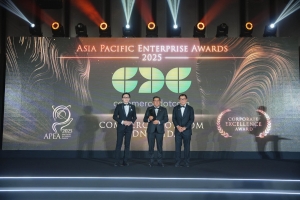
CDC earns APEA 2025 award for setting new ethical innovation standard CDC earns APEA 2025 award for setting new ethical innovation standard

Winning recognition at the Asia Pacific Enterprise Awards, CDC reaffirms its leadership in responsible business practices.

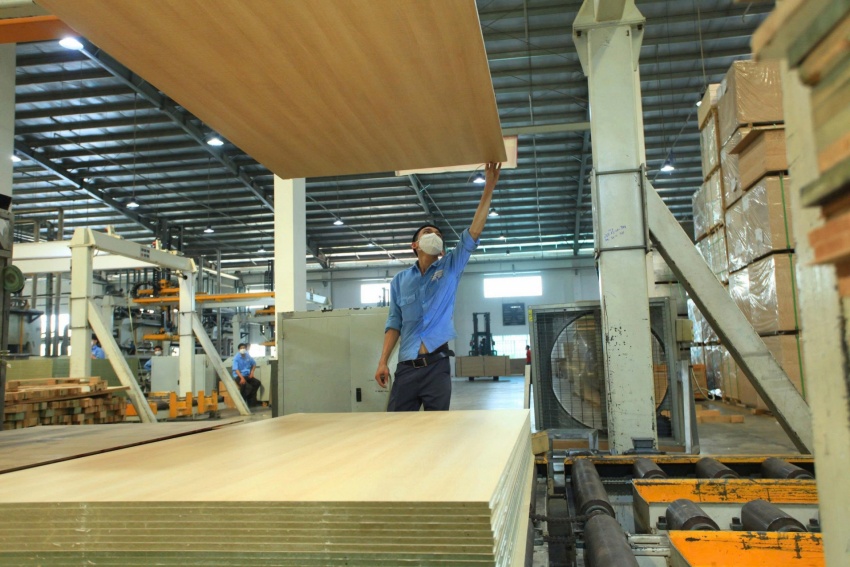
Timber sector seeks solutions to refund VAT bottlenecks
Vietnam’s timber industry is targeting $16.9 billion in export value in 2025. Photo: Le Toan

The Vietnam Timber and Forest Products Association (VIFOREST) ​​has petitioned the Ministry of Finance and relevant agencies to eliminate VAT on primary wood products and recognise them as agricultural outputs exempt from VAT. It has also called for consistent application of Decree 209/2013/ND-CP, which clearly stipulates that ordinarily processed plantation timber should not be subject to VAT.

According to the association, this proposal would allow processing and exporting firms to avoid burdensome deductions and refund procedures, reducing compliance costs and freeing up working capital. “Our goal is to ease administrative bottlenecks, mitigate legal risks, and prevent losses to the state budget from invoice fraud,” VIFOREST stated in its report. The move, it argued, would also protect the incomes of millions of rural household engaged in afforestation.

The sector’s achievements underscore what is at stake. Vietnam today maintains more than 4.6 million hectares of planted forests, producing an annual harvest of 35-40 million cubic meters of timber, sufficient to meet 75–80 per cent of processing demand. Export turnover of wood and wooden products is forecast to reach $16.9 billion in 2025, ranking sixth among Vietnam’s export categories. The industry provides direct jobs for over 500,000 workers and sustains millions of smallholder tree growers.

These numbers point to an acute liquidity challenge. Preliminary figures from VIFOREST indicate that timber enterprises are still waiting for VAT refunds worth around VND6.1 trillion ($250 million). The delay is linked to current procedures that require refunds to be processed only after thorough review.

On paper, the system is meant to secure the state budget. In practice, it has stalled refund approvals for compliant businesses. “Many companies have complete and legitimate dossiers, yet they are still asked to provide additional clarifications over and over again,” noted Cao Xuan Thanh, chief of office at VIFOREST. He stressed that refund processing often exceeded the statutory deadline, causing serious cash flow disruption.

Thanh pointed out that the requirement to trace raw material origins back to individual households is especially unrealistic. “A single export shipment may be sourced from dozens of growers across multiple provinces,” he explained. “The verification process becomes unworkable, and that is where enterprises get stuck.”

The consequences are immediate. Exporters are forced to advance 10 per cent VAT on input materials while awaiting refunds, eroding their capacity to rotate capital. This hits small- and medium-sized firms the hardest. With industry-wide profit margins averaging only 5-7 per cent, the sector loses an estimated VND500-600 billion ($20-25 million) annually due to refund delays, equivalent to 2-3 per cent of total profit.

Delayed refunds also damage Vietnam’s standing abroad. Foreign clients experience late deliveries and deferred payments, eroding confidence. More dangerously, exporters risk sanctions under the EU’s regulation on deforestation-free products (EUDR). “If traceability obligations are not properly met, the EU could issue yellow or red cards, which would severely hurt our market access,” VIFOREST warned.

Nguyen Liem, vice chairman of VIFOREST, added that product classification is another barrier. He observed that plantation timber after harvest, such aslogs, sawn timber, peeled veneer, or woodchips, has not been clearly recognised as “primary processed” goods. “Because of this ambiguity, exporters accumulate large VAT credits that cannot be refunded in time,” he said.

Liem further noted that both enterprises and small traders are still obliged to declare and pay VAT even on minimally processed timber, increasing costs and paperwork. In his words, “These procedures consume enormous time and resources, but the refunds remain out of reach. This has paralysed business cash flows and put many companies at risk.”

The risks extend beyond liquidity. Several exporters waiting on refund larges have been accused of enjoying state subsidies in trade defence investigations overseas. Domestically, extended refund disputes can push legitimate businesses into legal jeopardy. Meanwhile, the “request-and-grant” nature of the current system leaves room for arbitrary delays and even corruption.

These obstacles are driving a troubling shift: some companies now prefer to import timber rather than purchase from domestic plantations, simply to avoid VAT refund complications. This undermines demand for local wood, stripping millions of farmers of stable buyers and disincentivising reforestation. Thanh cautioned that the government might ultimately face the paradox of bailing out commercial plantation forests, a scenario entirely at odds with Vietnam’s sustainable forestry goals.

VIFOREST’s message is clear: resolving VAT refund issues is not merely about tax administration. It is about preserving national reputation, protecting farmers’ livelihoods, and securing the industry’s competitiveness in a global market increasingly focused on sustainability. “If these obstructions are not lifted, we risk losing both domestic and international trust,” Thanh emphasized.

In its petition, the association stresses that timely VAT reform will immediately free up liquidity, reduce exposure to legal risks, and enhance compliance with international traceability standards. More broadly, it would help solidify Vietnam’s position as a reliable, responsible supplier of timber products. “Unlocking these refunds is not a privilege, it is a necessity,” Liem underlined. “Without it, the industry cannot play its intended role as a pillar of the green, circular economy.”

Organised by leading regional non-governmental organisation Enterprise Asia, the prestigious awards honoured businesses and business leaders who are reshaping industries, embracing innovation, and driving sustainable growth.

Vietnam’s visionary leaders redefine success at the Asia-Pacific Enterprise Awards 2025

With the theme ‘Showcasing Future-Ready Enterprises’, this year’s APEA celebrated organisations and leaders who are future-proofing their businesses amid sweeping technological disruption and shifting economic landscapes.

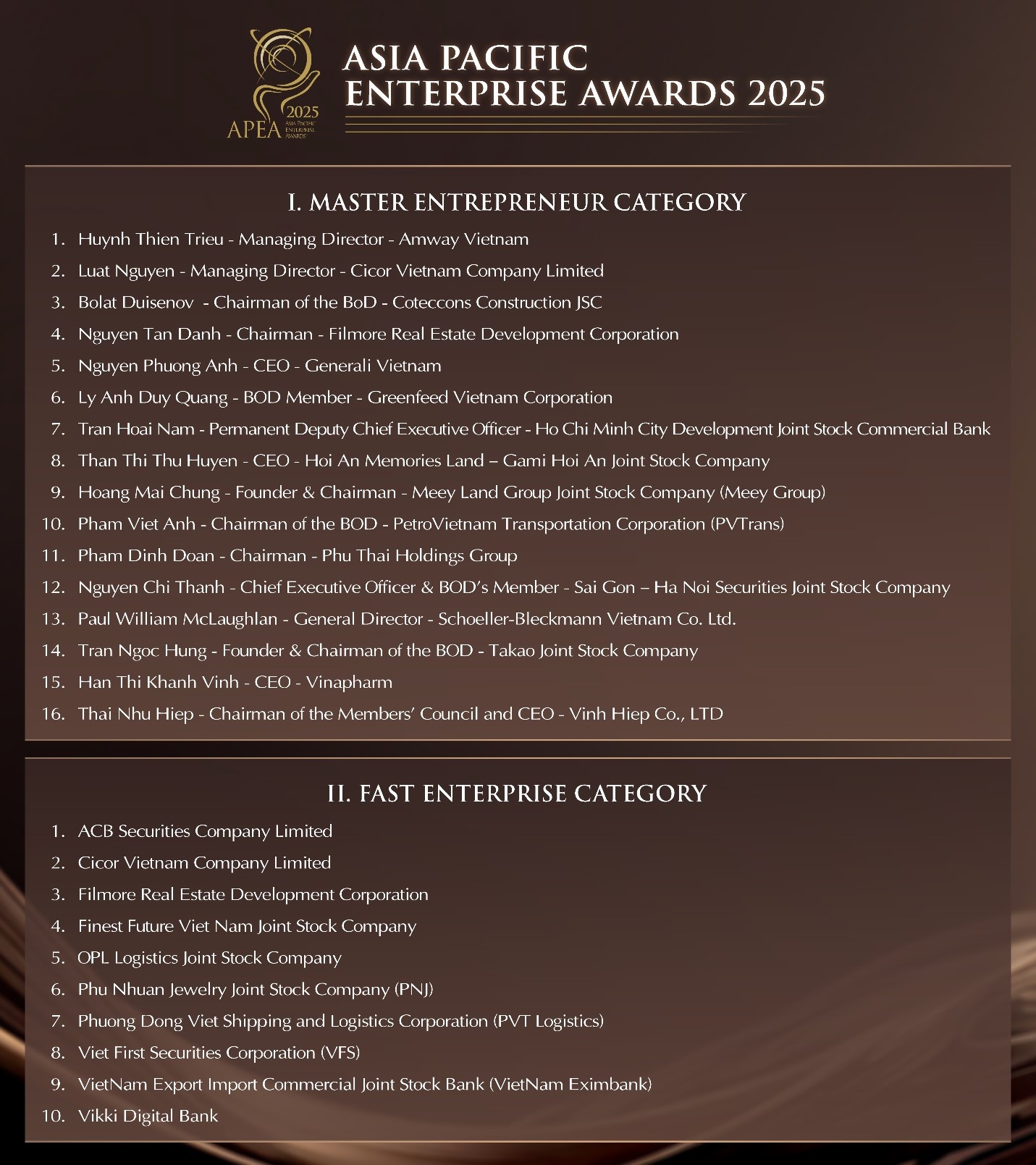
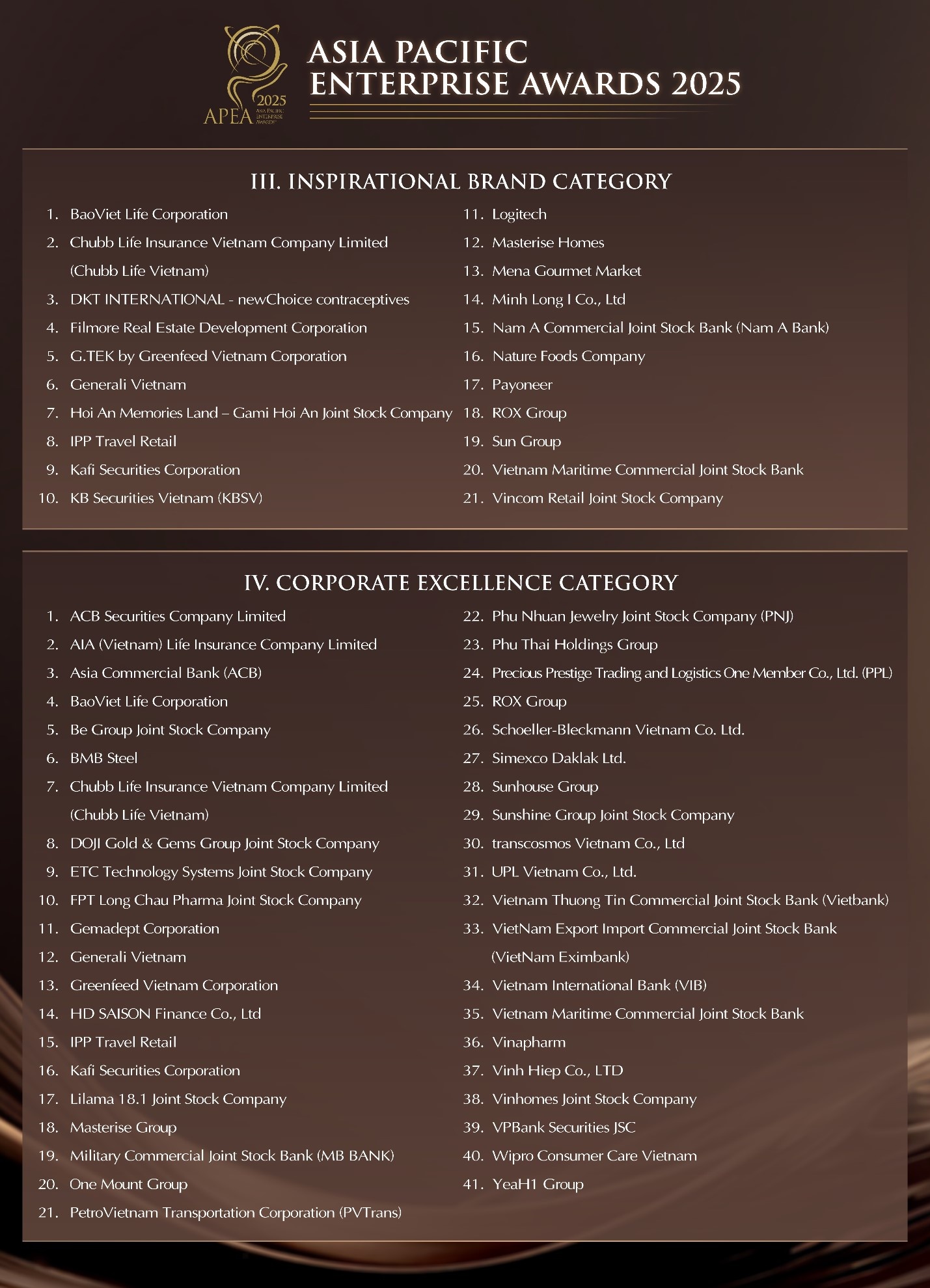
A highly selective judging process evaluated 342 nominees across four award categories: Master Entrepreneur, Inspirational Brand, Fast Enterprise, and Corporate Excellence. Each recipient stood out for their resilience, innovation, and commitment to creating lasting impact.

Since its inception in 2007, the APEA has grown into Asia’s most prestigious awards platform, with past Master Entrepreneur honourees comprising Kwek Leng Beng of Hong Leong Group Singapore, China’s Xu RongMao of Shimao Group, and Vietnam’s Dang Van Thanh of TTC Group, as well as notable corporate recipients including Pfizer Limited (Taiwan), Baker Hughes, GE Company (India), Pepsi-Cola Products Philippines Inc., Novo Nordisk Pharma (Thailand), Schneider Electric Vietnam, and Shell Vietnam.

“Enterprises that thrive in today’s world are those that challenge convention, embrace sustainability, and create value beyond profits. The honourees tonight embody the vision and resilience that will define the future of Vietnam’s economy.” stated Tan Sri Dr. Fong Chan Onn, chairman of Enterprise Asia, in his welcome address.

Among the Master Entrepreneur honourees are Ly Anh Duy Quang, board member of Greenfeed Vietnam Corporation, and Pham Dinh Doan, chairman of Phu Thai Holdings Group, who have demonstrated exceptional leadership and strategic foresight in steering their organisations to greater heights.

In the corporate categories, among the esteemed recipients were BaoViet Life Corporation and Vincom Retail Joint Stock Company in the Inspirational Brand category. The Fast Enterprise Award went to Phu Nhuan Jewelry Joint Stock Company (PNJ) and Eximbank, while the Corporate Excellence Award was presented to Gemadept Corporation and MB Bank.

The APEA 2025 Vietnam Chapter was supported by the Indian Business Chamber in Vietnam, Dutch Business Association Vietnam, The iMPACT Magazine, Asia Society for Social Improvement and Sustainable Transformation (ASSIST), Italian Chamber of Commerce in Vietnam, Startup Vietnam Foundation, and Vietsuccess. Snowball Consulting served as the official implementation partner, with PR Newswire as the official news release distribution partner, and Dailywire.asia and SME Magazine as the media partners.

Vietnam’s visionary leaders redefine success at the Asia-Pacific Enterprise Awards 2025

Launched in 2007, the Asia-Pacific Enterprise Awards are the region’s most prestigious awards for outstanding entrepreneurship, continuous innovation, and sustainable leadership.

The awards provide a platform for companies and governments to recognise entrepreneurial excellence, hence spurring greater innovation, fair business practices, and growth in entrepreneurship.

As a regional award, it groups together leading entrepreneurs as a powerful voice for entrepreneurship and serves as a by-invitation-only networking powerhouse. The programme has grown to encompass 16 countries/regions and markets all over Asia.

Asia Pacific Enterprise Awards 2024 honour industry leaders and leading corporations in Vietnam Asia Pacific Enterprise Awards 2024 honour industry leaders and leading corporations in Vietnam

The Asia Pacific Enterprise Awards (APEA) 2024 honoured Vietnam’s inspiring business moguls and visionaries of inclusive entrepreneurship on October 3 at the GEM Centre in Ho Chi Minh City.

Kafi Securities named “Fast Enterprise” at Asia Pacific Enterprise Awards Kafi Securities named “Fast Enterprise” at Asia Pacific Enterprise Awards

Kafi Securities was honoured to have been named “Fast Enterprise Award” at the Asia Pacific Enterprise Awards (APEA) 2024 in Ho Chi Minh City on October 3.

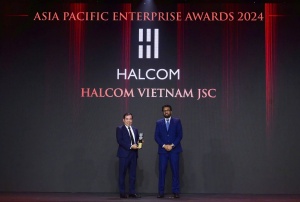
Halcom Vietnam honoured with Asia Corporate Excellence award Halcom Vietnam honoured with Asia Corporate Excellence award

Halcom Vietnam was bestowed with an Asia Corporate Excellence award at the Asia-Pacific Enterprise Awards in Ho Chi Minh City.