NSRP navigates global energy supply volatility
Photo: NSRP

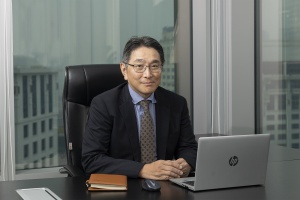
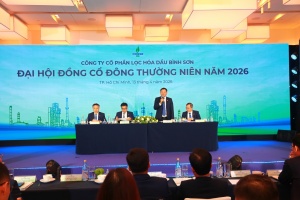
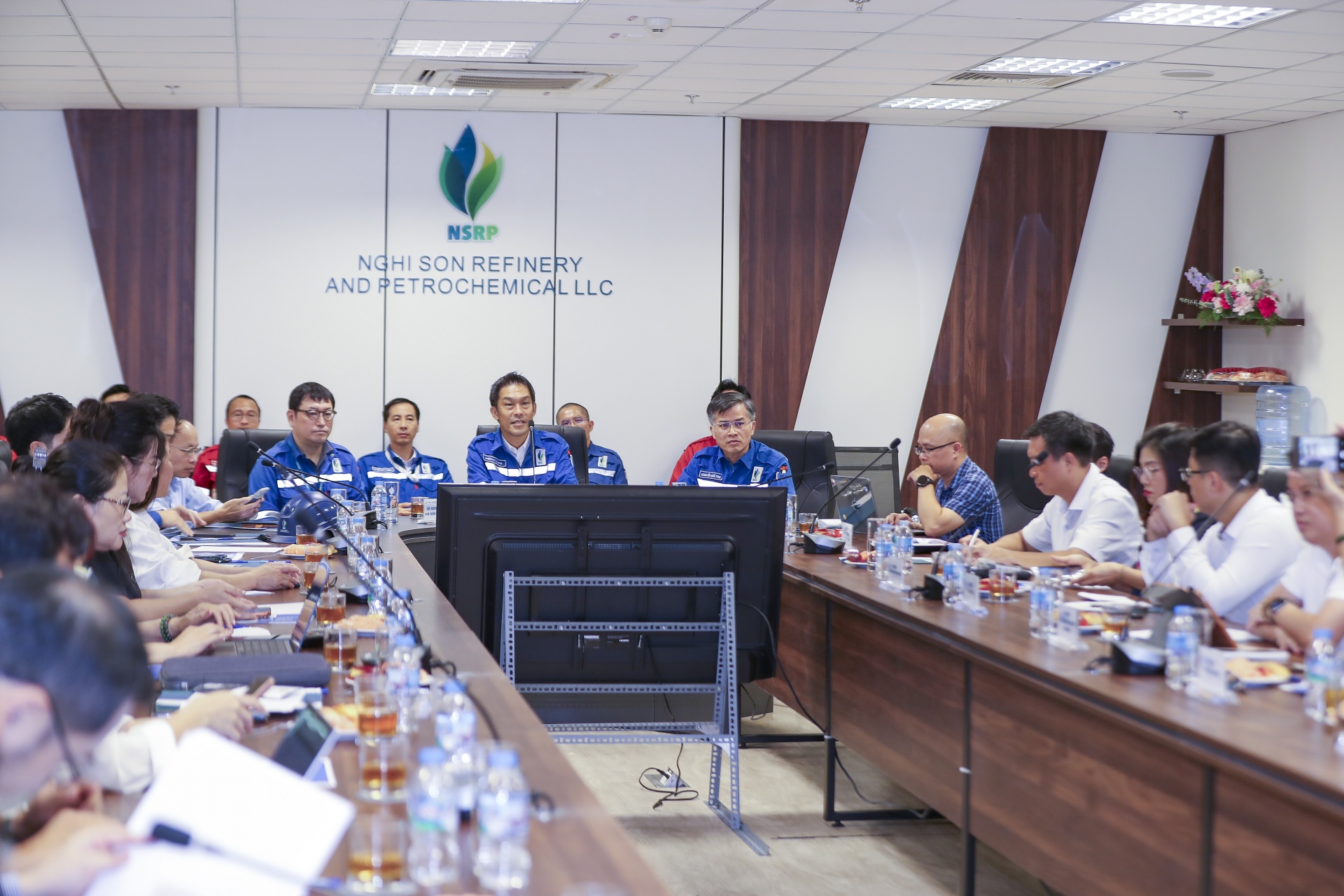
Against geopolitical uncertainty and global energy supply volatility, what are NSRP’s initiatives to guarantee its crude oil supply and maintain uninterrupted operations?

Ensuring crude oil supply security remains one of NSRP’s top priorities. Despite ongoing geopolitical uncertainties in the Middle East and volatility in the global oil market, the refinery has continued to operate safely, stably, and without interruption.

In fact, NSRP began implementing its crude oil diversification strategy as early as late 2025 to enhance feedstock flexibility and strengthen operational resilience. A significant milestone was achieved in January 2026, when the company successfully processed its first non-Kuwaiti crude oil cargo, Das Blend, comprising approximately one million barrels.

The cargo arrived at NSRP’s port in late December 2025 and was received and processed safely in full compliance with the refinery’s stringent operational standards. This achievement not only demonstrated NSRP’s technical capabilities but also established a strong foundation for long-term feedstock diversification.

Building on this success, NSRP has progressively expanded its crude slate and, to date, has successfully processed ten crude oil grades other than Kuwait Export Crude. This has significantly enhanced the refinery’s feedstock flexibility, enabling NSRP to broaden its sourcing options, strengthen resilience against supply disruptions, and optimise crude selection from both technical and commercial perspectives.

While Kuwait remains NSRP’s long-term strategic partner and most important crude oil supplier, the company has adopted a more flexible procurement approach by combining traditional supply sources with suitable alternative crude grades. Following earlier supply disruptions, NSRP resumed imports of Kuwaiti crude oil in September 2026, with additional cargoes already scheduled in the coming months.

Looking ahead, NSRP will continue to balance long-term supply agreements with spot market opportunities, while further expanding its crude oil evaluation and testing programme. This approach will help enhance supply security, mitigate geopolitical risks, and strengthen the refinery’s long-term competitiveness, operational flexibility, and sustainable performance.
NSRP navigates global energy supply volatility
Photo: NSRP

What are the key focus areas for NSRP to navigate the challenging global environment?

Global oil markets have experienced significant volatility in 2026, particularly following geopolitical developments in the Middle East. As of the end of August, NSRP’s average crude purchase price had increased by approximately 63 per cent compared with the beginning of the year. At design capacity, every sustained $10 per barrel increase in crude prices could represent approximately $2.5 million of additional crude cost per day.

However, refinery profitability ultimately depends on refining margins rather than crude prices alone. Through crude optimisation, disciplined operations, and strong product margins, particularly in middle distillates, NSRP has continued to maintain solid business performance.

In addition, NSRP’s products are marketed through the existing offtake arrangement with Petrovietnam Distribution Branch (PVNDB), which distributes NSRP fuel products nationwide through a broad network of petroleum traders.

During periods of market volatility, our priority is to maintain stable refinery operations and maximise production. We work closely with the off taker to optimise allocation planning, logistics, and inventory management to ensure reliable and uninterrupted fuel supply to the domestic market while meeting contractual commitments.

Could you shed some light on NSRP’s operational and financial performance in 2026?

NSRP continues to operate safely, stably, and efficiently with high reliability and strong operational performance. During the first 9 months of 2026, the refinery processed approximately 8.38 million tonnes of crude oil and supplied around 6.54 million tonnes of petroleum products to the market.

We expect to supply an additional 2.69 million tonnes in the fourth quarter, bringing total 2026 product supply to more than 9.2 million tonnes. This will allow NSRP to continue contributing approximately 35-40 per cent of Vietnam’s domestic fuel demand, reinforcing our role as a key pillar of the country’s energy security.

NSRP’s operational and financial performance has improved significantly in 2026. This improvement has been driven by strong refinery utilisation, healthy refining margins, feedstock optimisation, and disciplined cost and working-capital management.

Beyond short-term profitability, our focus is on building a more resilient, financially sustainable, and commercially competitive business capable of delivering stable performance throughout refining cycles. In parallel, shareholders continue to discuss long-term financial restructuring initiatives to further strengthen NSRP’s financial foundation.
NSRP navigates global energy supply volatility
Photo: NSRP

How does NSRP leverage its large-scale industrial assets to generate value beyond energy supply?

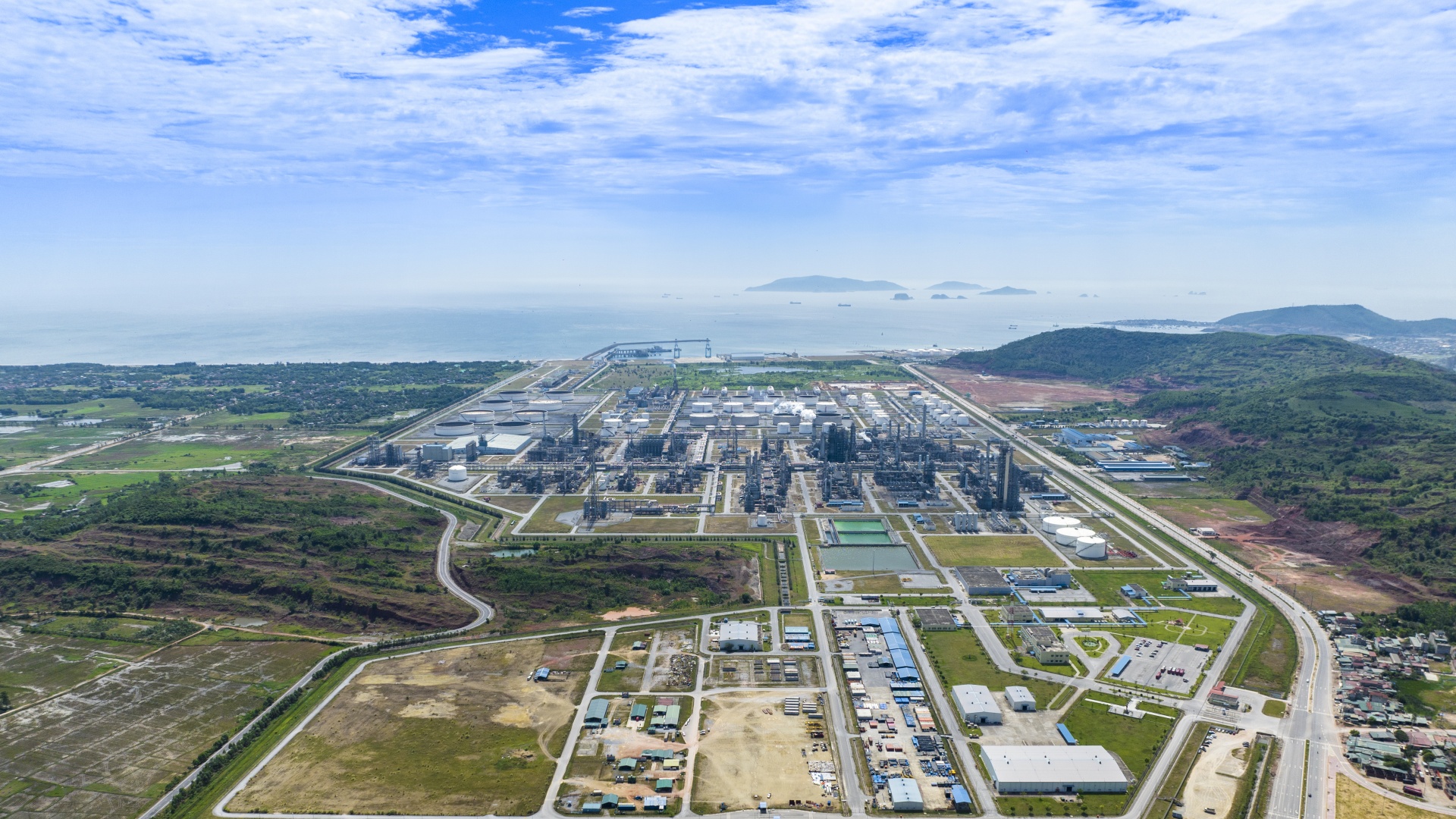
NSRP’s contribution extends well beyond fuel production. Since commencing commercial operations in late 2018, the company has contributed approximately VND 147 trillion ($5.65 billion) to the state budget as of August 2026, making it one of Vietnam’s major industrial contributors.

Looking ahead, our ambition is to become a world-class energy and industrial company that is operationally excellent, financially strong, commercially independent, and sustainably profitable, while continuing to support Vietnam’s energy security, industrial development, and economic growth.

Furthermore, NSRP is committed to supporting Vietnam’s energy transition and net-zero ambitions. Since July 2026, the refinery has been producing base petrol as blend stock for RON95 E10, with production averaging approximately 250,000 tonnes per month and accounting for around 90 per cent of our petrol output.

At the same time, we are advancing studies on carbon capture solutions, including a CCS feasibility study focused on capturing CO₂ from refinery operations. We are also evaluating opportunities to utilise captured CO₂ and surplus hydrogen in higher-value and lower-carbon products, supporting both sustainability goals and long-term business competitiveness.

What are NSRP’s plans to increase the long-term competitiveness of the refinery?

Moving forward, NSRP’s strategy is to enhance competitiveness through refinery optimisation, higher utilisation, and deeper petrochemical integration. The refinery has already demonstrated the capability to operate at 125 per cent of design capacity. Our current objective is to sustain the aforesaid rate before the second Turnaround in August 2027 and seek approval for higher operation thereafter.

At the same time, we are studying opportunities in olefins, polymers, bitumen, lubricant-related products, and other petrochemical value chains to create greater value from existing refinery assets and strengthen long-term competitiveness.
From mega project to long-term growth platform for Thanh Hoa From mega project to long-term growth platform for Thanh Hoa

Nearly a decade after commencing operations, Nghi Son Refinery and Petrochemical LLC has emerged as a significant contributor to regional development, demonstrating how a large-scale industrial project can generate lasting economic value, strengthen industrial capabilities, and support long-term growth.

Nghi Son Refinery and Petrochemical remains committed to safety and stability Nghi Son Refinery and Petrochemical remains committed to safety and stability

Nghi Son Refinery and Petrochemical LLC (NSRP) has several measures to maintain optimal production and business efficiency of the refinery in 2024. So Hasegawa, general director of NSRP, spoke with VIR’s Thanh Van about the company’s efforts.

Nghi Son refinery processes first non-Kuwaiti crude cargo Nghi Son refinery processes first non-Kuwaiti crude cargo

Nghi Son Refinery and Petrochemical has taken a key step towards diversifying its crude supply and strengthening operational flexibility.

In May, the Vietnam Copyright Office directed businesses and individuals to discontinue the use of unlicensed software and review their compliance with copyright regulations as part of a nationwide intellectual property enforcement initiative.

With more than 52 per cent of Vietnamese organisations reporting operational damage from cyberattacks, unpatched and unauthorised software can create additional entry points for attackers, making software compliance an increasingly important part of enterprise risk management. Minitab’s actions support this broader enforcement effort and reinforce the importance of secure, properly licensed software use.

“Illegal software use creates legal, security, and operational risks for businesses. Minitab is actively working with our partner, JYW Vina Co., Ltd., to help Vietnamese organisations review their licensing and transition to genuine Minitab software,” said Tony Lee, APAC regional senior sales director at Minitab. “Properly licensed customers benefit from authorised product updates, expert support, and training resources that help them get greater value from Minitab’s data analytics solutions.”

Minitab launches campaign to combat illegal software use in Vietnam
Photo: Minitab

For businesses in Vietnam, adopting genuine software is not only about meeting licensing requirements, it provides the foundation for secure, data-driven decision-making, operational efficiency, and long-term business resilience.

For more than 50 years, Minitab has supported global organisations in enhancing quality, optimising processes, reducing costs, and fostering innovation through data-driven approaches. Its solutions assist businesses in manufacturing, research and development, supply chain management, and operational excellence.

Utilising genuine Minitab solutions enables businesses to access the latest features and authorised updates, including artificial intelligence-powered natural language tools, receive professional technical support and comprehensive training, establish a reliable analytics environment across the organisation, and ensure ongoing compliance with software licensing requirements.

Minitab continues to invest in the Asia-Pacific region through its sales operations, support services, and authorised partner network, with regional offices in Australia, Hong Kong (China), Japan, and South Korea. In Vietnam, Minitab works with authorised reseller partners to provide localised assistance in selecting and deploying appropriate Minitab solutions and training employees to use them effectively.

Minitab is a global leader in data analytics solutions with over 50 years of experience helping organisations harness the power of their data to deliver high-quality products and services. By integrating statistical process analysis, predictive modeling, real-time monitoring, and continuous improvement solutions with embedded AI capabilities, Minitab helps organisations consolidate data, uncover insights, accelerate decision-making, and achieve measurable results. 

The world’s leading companies and institutions rely on Minitab to solve critical challenges and drive sustained performance improvements. Minitab serves customers in more than 100 countries.

Data and resilience drive Vietnam’s digital government Data and resilience drive Vietnam’s digital government

Public-sector digital transformation is entering a new phase, with data becoming the foundation of governance, while the ability to connect, share, protect, and recover data is increasingly determining operational resilience and the economy’s capacity for growth.

Vietnam pushes digital finance into tangible gains Vietnam pushes digital finance into tangible gains

On September 24 in Hanoi, the Ministry of Finance, together with other agencies, organised Vietnam Digital Finance 2026 under the theme “Powering an intelligent, secure, connected, and sustainable digital financial ecosystem.”

Vietnam launches first embodied AI conference to advance robotics ecosystem Vietnam launches first embodied AI conference to advance robotics ecosystem

Vietnam held its first embodied AI conference in Hanoi on October 2, bringing together technology companies, universities and research institutions to explore applications of robotics.

How would you assess Coteccons’ 2025-2026 fiscal year performance, particularly its ability to balance reinvestment with returning value to shareholders?

Last year delivered improvement in both the scale and quality of growth. Revenue reached $1.37 billion, up 38 per cent, while profit after tax rose 73 per cent to $31.52 million – nearly twice the pace of revenue growth.

Coteccons targets 'Quality Growth' with 25 per cent dividend plan
Photo: Coteccons

Net profit margin improved to 2.3 per cent. Notably, operating cash flow turned around from negative $48 million to more than $32 million. The cash position reached nearly $320 million, while receivables remained broadly stable despite strong revenue growth.

These results indicate that the company’s revenue growth is being converted more effectively into profit, cash flow, and balance-sheet strength. Based on the 2025-2026 performance, and after considering capital requirements for core operations, construction capabilities, technology, people, and the 2026-2027 growth plan, the Board of Directors plans to submit a 25 per cent cash dividend proposal for shareholder approval at the AGM. This represents a shift towards a more balanced approach between reinvesting for growth and sharing value with shareholders.

Coteccons targets 'Quality Growth' with 25 per cent dividend plan
Dinh Thi Hong Tham, corporate secretary and authorised spokesperson for information disclosure at Coteccons. Photo: Coteccons

What underpins the company’s confidence in sharing value with shareholders?

The core foundation is corporate governance. In the latest VNSI assessment conducted by Ho Chi Minh Stock Exchange, Coteccons achieved an overall environmental, social, and governance (ESG) score of 84 per cent – its highest score across all assessment periods.

Within this, Coteccons’ Governance pillar score reached 81 per cent, up 10 percentage points on-year and significantly above both the industry average of 53 per cent and the VN100 average of 61 per cent.

This reflects significant progress in strengthening our corporate governance system, enhancing transparency and control effectiveness, and building management capabilities aligned with Coteccons’ ‘Quality Growth’ strategy.

Our capital allocation approach is guided by three consistent principles: support sustainable growth, maintain a healthy balance sheet, and share value with shareholders when conditions allow. This discipline makes dividends a natural outcome of an efficient operating system, rather than a short-term objective.

Coteccons previously operated in ‘Sales Mode’ and is now shifting to ‘Saving Mode’. What is driving this transition?

Four to five years ago, Coteccons faced a double crisis: the severe impact of COVID-19 and leadership-level disruption. At the time, the company had almost no new contracts, and a large operating system like Coteccons was running at only around 70-80 per cent of capacity.

‘Sales Mode’ was necessary to bring the engine back to full capacity – expanding the market, rebuilding customer trust, and securing enough work for the entire system to operate effectively again.

Four years later, Coteccons is in a very different position. Revenue has grown at a compound annual rate of 30-40 per cent, the scale of operations has been restored, and the system is operating at higher capacity.

With a sufficiently large revenue base, economies of scale are beginning to take effect: each additional unit of revenue no longer requires costs to rise at the same rate. The strategic focus must therefore shift from generating enough workload to extracting greater efficiency from the platform we have built.

This is the strategy behind ‘Saving Mode’. It does not mean scaling back our ambition, tightening the belt, or applying mechanical cost cuts. Coteccons still aims to grow, but not by winning more projects at any cost.

The priority is to make the engine – now operating at high capacity – run better: using resources more efficiently, reducing waste, optimising design, materials, and construction solutions, shortening delivery timelines, controlling costs, enhancing project quality, and managing cash flow more effectively.

Coteccons targets 'Quality Growth' with 25 per cent dividend plan
Photo: Coteccons

What will drive Coteccons’ long-term growth?

We see significant headroom from three key growth drivers: urbanisation, including public investment and infrastructure; industrialisation; and our ‘Go Global’ strategy. Together, these pillars underpin our ambition to deliver annual profit growth of 25-30 per cent over the medium term.

However, the focus is not simply on scale. Coteccons is moving from growth to ‘Quality Growth’, with disciplined project selection, execution capabilities, and operational efficiency as essential conditions. We prioritise projects with sound legal status, reasonable margins, a strong fit with our capabilities and risk appetite, and the potential to create sustainable economic value.

How will Coteccons improve capital efficiency?

The quality of growth matters more than scale. Coteccons is tightening discipline in project selection, strengthening working-capital control, optimising cash flow, and improving productivity. When these elements work together, return on equity can improve sustainably, cash generation becomes stronger, and our capacity to share value with shareholders is reinforced.

‘Saving Mode’ is a catalyst for this process. The objective is not a one-off cost-saving exercise, but to build a lasting culture of efficient resource use across the organisation – from tendering, procurement, and construction to office operations and ESG practices.

What message does Coteccons want to send to shareholders in this new phase?

The proposed 25 per cent cash dividend is more than a profit-distribution decision. It signals that Coteccons is entering a new phase defined by stronger governance, greater capital efficiency, higher-quality growth, greater openness to international investors, and a stronger commitment to sharing value with shareholders.

From growth to ‘Quality Growth’, and from value creation to value sharing, Coteccons is building a platform that enables shareholders to participate in and benefit from the company’s progress over the long term. ‘Saving Mode’ is part of that foundation – applying greater discipline today to create more room for sustainable growth and long-term value creation tomorrow.

Coteccons reports robust FY2025 results with strong revenue growth Coteccons reports robust FY2025 results with strong revenue growth

Coteccons Construction JSC has announced its financial results for Q4 and the full fiscal year 2025, reporting on-year increases in both revenue and profit, alongside a significantly expanded backlog and contract wins.

Coteccons charts course for regional expansion Coteccons charts course for regional expansion

Coteccons is taking concrete steps to expand beyond Vietnam, seeking growth opportunities in regional markets as part of its long-term development strategy.

Coteccons and Workday deploy human capital platform Coteccons and Workday deploy human capital platform

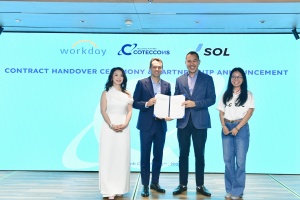
Coteccons Construction on April 2 announced that it has partnered with Workday to implement a human capital management (HCM) platform, guided by the core principle of placing people at the centre of every decision.

Coteccons continues rise on Fortune Southeast Asia 500 Coteccons continues rise on Fortune Southeast Asia 500

Coteccons Construction has climbed to 285th place in the 2026 Fortune Southeast Asia 500, moving up 19 spots from the previous year.

Electronics exports reach $175.4 billion in the first nine months
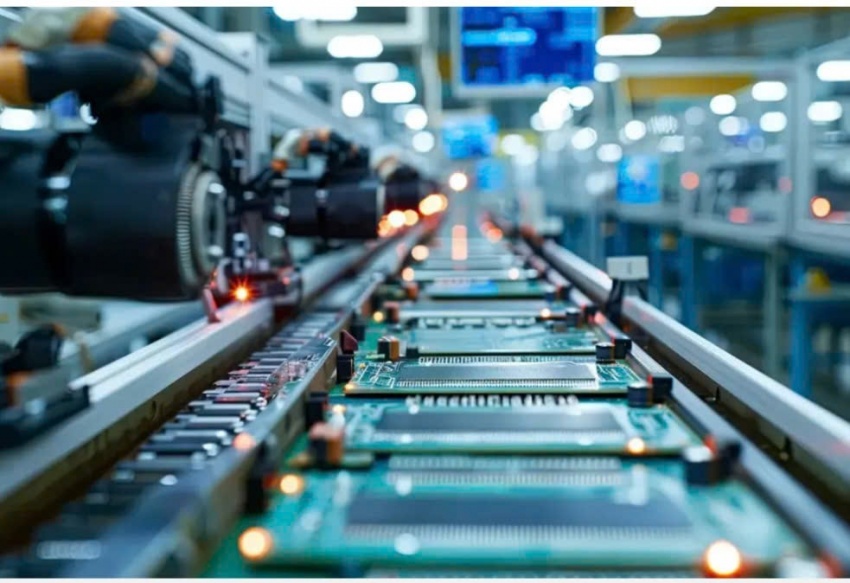
Electronics exports reach $175.4 billion in the first nine months. Photo: baodautu.vn

The figure is expected to exceed $200 billion in just over a month. With these export results, Vietnam continues to affirm its role as a major electronics manufacturing hub for the global market.

Electronics exports have increased sharply since last year and maintain an average monthly turnover of nearly $20 billion.

According to statistics, in September alone, the entire electronics industry achieved export sales of $28.73 billion, of which the electronics and computer group accounted for $22.56 billion, equalling an increase of 112.7 per cent compared to the figure of September 2025, while mobile phones accounted for $6.17 billion, an increase of 14.3 per cent on-year.

In the first three quarters of 2026, export value in this sector was estimated at $175.4 billion, with electronics and computers accounting for $123.6 billion, and telephones $51.7 billion, signifying growth of 59.6 per cent, and 18.8 per cent on-year, simultaneously.

The rapid increases signify Vietnam’s increasingly deep involvement in the global electronics supply chain, which is basically driven by global foreign-invested corporations such as Samsung, LG, Amkor Technology, Foxconn, Luxshare, and Goertek.

Regarding the import turnover, in September 2026 alone, import turnover of electronics, computers, and components reached $27.1 billion, a 93.7 per cent increase compared to September 2025.

For the first nine months of the year, imports of this group of goods surged to $188.9 billion, a 71.7 per cent growth on-year; imports of telephones and components decreased slightly by 0.8 per cent, reaching $8.1 billion. Total electronics imports for the nine months totalled $197 billion.

After nine months, total electronics exports and imports exceeded $372 billion, accounting for approximately 42 per cent of the country’s total exports and imports. The trade balance remained in deficit.

The fourth quarter of each year is the peak export season. With signed orders from many businesses, it is predicted that exports in the fourth quarter will continue to maintain high performance, bringing the total exports of the entire industry in 2026 to a new peak, estimated at $235-245 billion.

Arrow Electronics showcases advanced AI and power solutions at PCIM Arrow Electronics showcases advanced AI and power solutions at PCIM

Technology provider Arrow Electronics will present new artificial intelligence architectures, vehicle electrification components, and intelligent power management hardware during the PCIM Asia event in Shenzhen.

Electronics FIEs asked to expand Vietnamese supplier networks Electronics FIEs asked to expand Vietnamese supplier networks

Foreign-invested electronics companies are being urged to expand their Vietnamese supplier networks and help domestic businesses move deeper into global supply chains.

Green transition opens new doors for electronics suppliers Green transition opens new doors for electronics suppliers

Vietnam’s electronics suppliers are adapting to new global procurement standards, with environmental, social, and governance, carbon data, traceability, and smart manufacturing increasingly shaping access to higher-value supply chains.

Molex opens its expanded manufacturing facility in Hung Yen Molex opens its expanded manufacturing facility in Hung Yen

Global electronics and connectivity solutions provider Molex has completed the initial building phase of its expanded manufacturing plant in Hung Yen, strengthening its high-tech manufacturing footprint in Vietnam as its second site in the country.

AI-assisted screening boosts diabetic eye care in Vietnam
Photo: Roche Pharma Vietnam

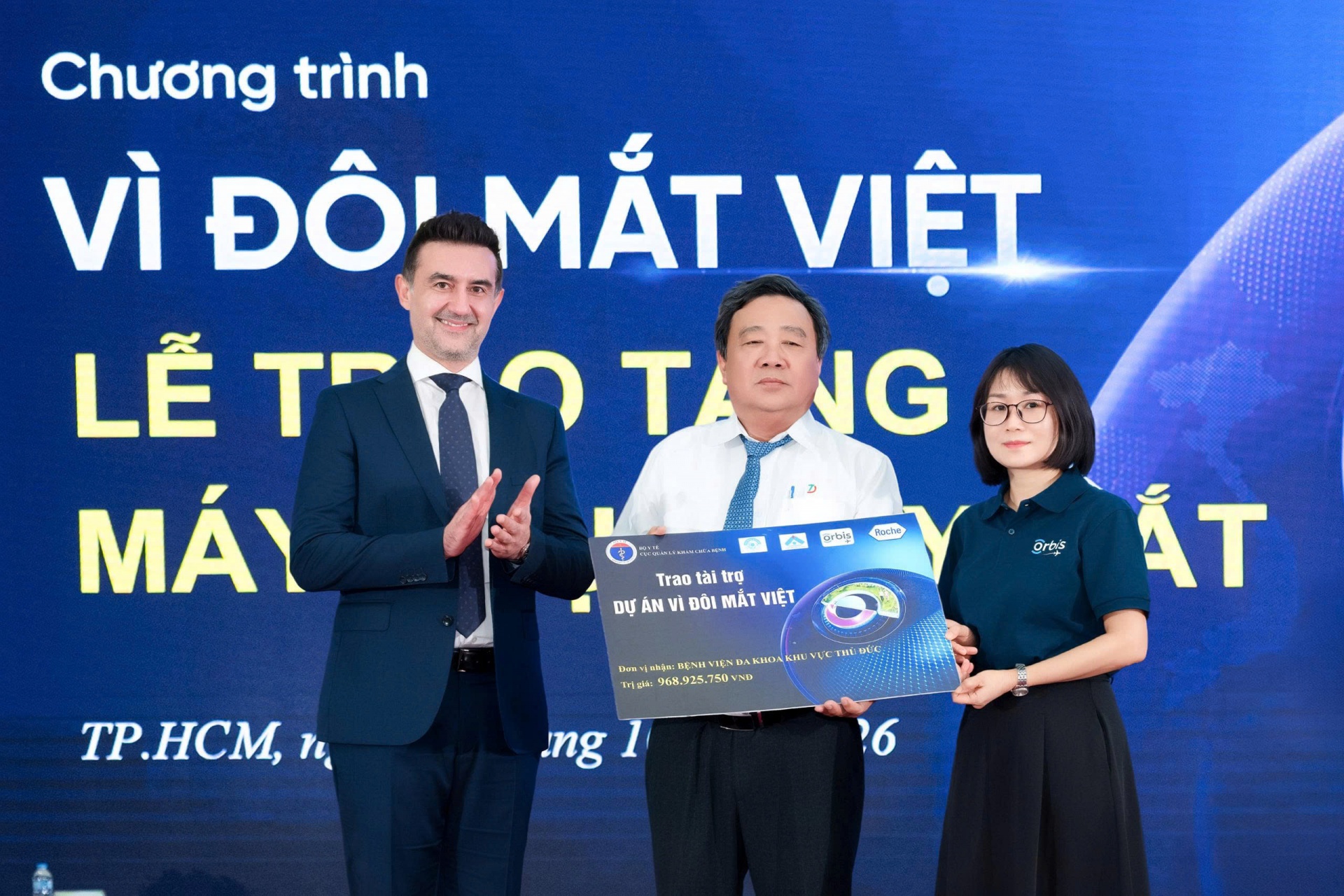
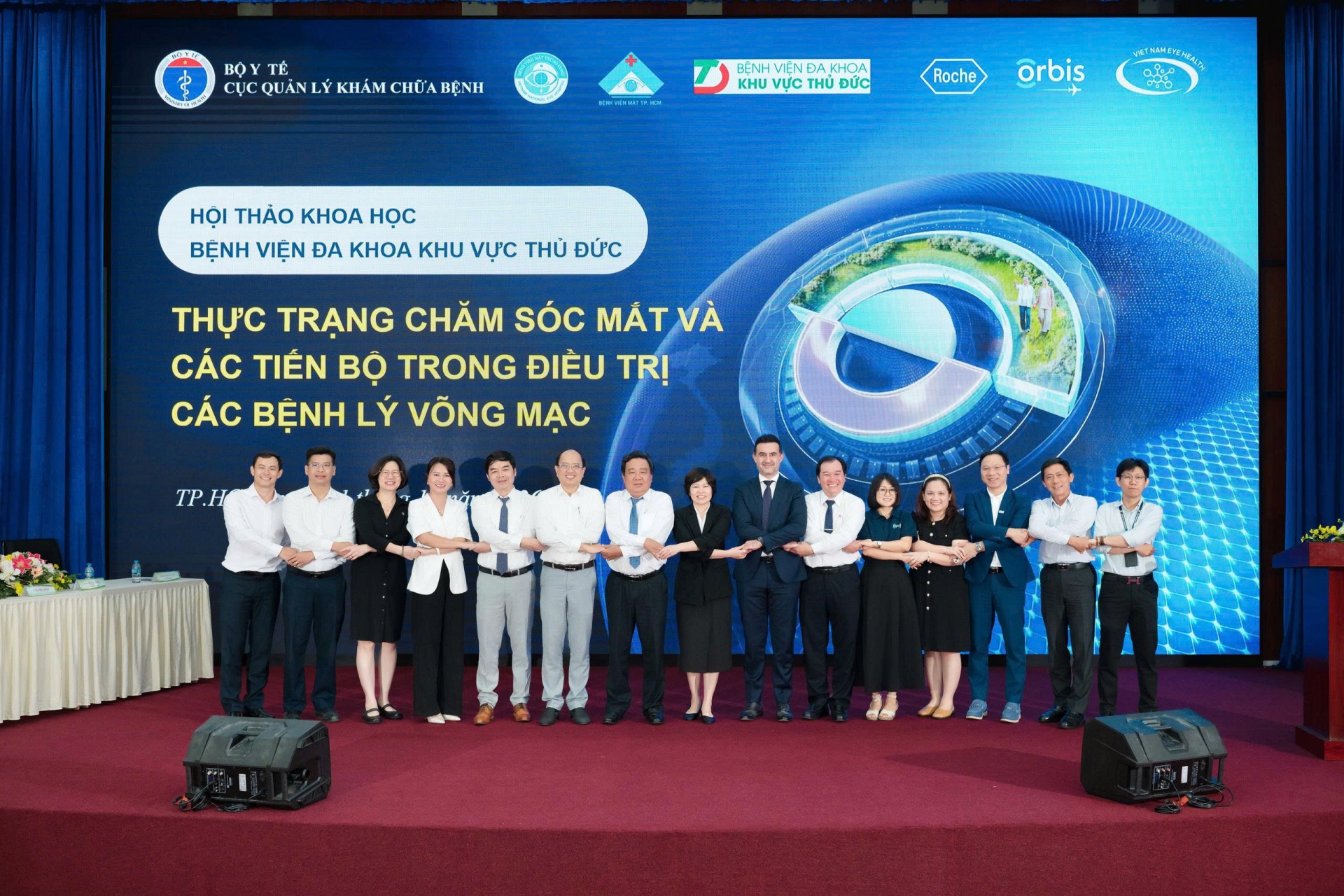
On October 1, Roche Pharma Vietnam, through Orbis International in Vietnam, handed over a non-mydriatic colour fundus camera with AI-assisted image analysis software to the hospital under the Vietnam Eye Health partnership. A scientific workshop on the comprehensive management model for diabetic retinopathy and macular oedema was also held the same day, with representatives from Vietnam National Eye Hospital and Ho Chi Minh City Eye Hospital in attendance.

In Vietnam, there are approximately 7 million people aged 30–69 with diabetes. According to the World Health Organization, up to one-third of diabetic patients suffer from retinopathy to some extent. Diabetic retinopathy and diabetic macular oedema progress silently, are among the leading causes of vision loss and blindness in the working-age population, and place a significant psychological and economic burden on patients and their families. Yet more than 80 per cent of diabetes-related vision loss can be prevented or effectively treated when detected early. The Vietnam Eye Health initiative works to raise public awareness and to establish routine eye examination, at least once a year, for people with diabetes.

Roche Pharma Vietnam signed the Vietnam Eye Health MoU in October 2025 with Medical Service Administration under the Ministry of Health, Vietnam National Eye Hospital, and Ho Chi Minh City Eye Hospital, with Orbis as implementing partner, to co-create systemic improvements in the care of patients with diabetic retinopathy and macular oedema.

AI-assisted screening boosts diabetic eye care in Vietnam
Photo: Roche Pharma Vietnam

The programme aims to change from fragmented care by separate specialities to a comprehensive management model, in which Endocrinology, General Medicine, and Ophthalmology follow the same patient along a single pathway, from examination within the same visit to diagnosis, treatment, and long-term follow-up, at provincial and regional general hospitals. The model is intended to enable patients to receive timely care at the local level and to reduce the overload on central-level hospitals.

Following the handover to Ba Ria–Vung Tau Eye Hospital, the deployment at Thu Duc Regional General Hospital brings the model into practice, where it is expected to support capacity building for more than 100 doctors, nurses, and technicians, and more than 20,000 patients across six hospitals will benefit from screening, referral, and timely treatment by the end of 2027.

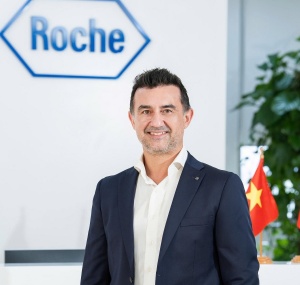
Burak Pekmezci, general manager of Roche Pharma Vietnam, said, “Roche is committed to partnering to co-create systemic, sustainable improvements in patients’ care. We are pleased to contribute to the Vietnam Eye Health initiative, helping people living with diabetic retinopathy by bringing screening, referral, and treatment where patients already receive their regular care.”

AI-assisted screening boosts diabetic eye care in Vietnam
Photo: Roche Pharma Vietnam

Within the framework of the agreement, all parties are supporting the scheme’s development and implementation. The new fundus camera and AI-assisted image analysis software at Thu Duc Regional General Hospital aim to strengthen local screening capacity and support the national target of having more than 75 per cent of people with diabetes examined and managed for eye complications.

New partnership sharpens focus on diabetic eye care New partnership sharpens focus on diabetic eye care

Efforts to tackle preventable blindness in Vietnam have gained new momentum through a public–private partnership focused on diabetic eye diseases.

Roche Pharma Vietnam and Hope Foundation inaugurate kitchen for boarding students Roche Pharma Vietnam and Hope Foundation inaugurate kitchen for boarding students

On March 27, Roche Pharma Vietnam, in collaboration with the Hope Foundation, opened a new kitchen facility at the Aró site of Lang Kindergarten in Tay Giang commune, Danang.

Roche Pharma Vietnam appoints new general manager, reinforcing commitment to Vietnam healthcare Roche Pharma Vietnam appoints new general manager, reinforcing commitment to Vietnam healthcare

Roche (Pharma) Vietnam Co., Ltd. on July 23 announced the appointment of Burak Pekmezci as general manager.

The year 2026 is witnessing a spectacular phase shift in Vietnam’s export picture. Amidst the pressure of new global standards and supply chain fluctuations, manufacturing enterprises in many sectors, typically such as food, beverages, pharmaceuticals, cosmetics, and consumer goods, are facing a dual problem: How to break through growth and optimise profits amidst a volatile period? The answer will be available at ProPak Hanoi 2026.

Economic growth goes hand in hand with pressure of decoding industry standards

In 2026, Vietnam’s export picture is witnessing a phase shift with many opportunities accompanying challenges. Vietnam’s economy has shown significant resilience despite prolonged global uncertainties. According to an assessment from the ASEAN+3 Macroeconomic Research Office, thanks to a strong export-oriented manufacturing sector, sustainable foreign direct investment (FDI), and stable domestic demand, the economy’s growth has been consolidated.

Particularly, the processing and manufacturing industry continues to be the growth driver of the entire economy with a growth rate of 10.23 per cent, contributing 33.07 per cent to the growth rate of the total added value of the whole economy, according to data announced by the General Statistics Office (Ministry of Finance) on the socioeconomic situation in the first six months.

Reality shows that the development of the industry lies not only in production capacity, but also depends heavily on the level of technology, the quality of supply chain management, and the ability to catch up with new market trends and requirements, especially the strict standards of FDI corporations.

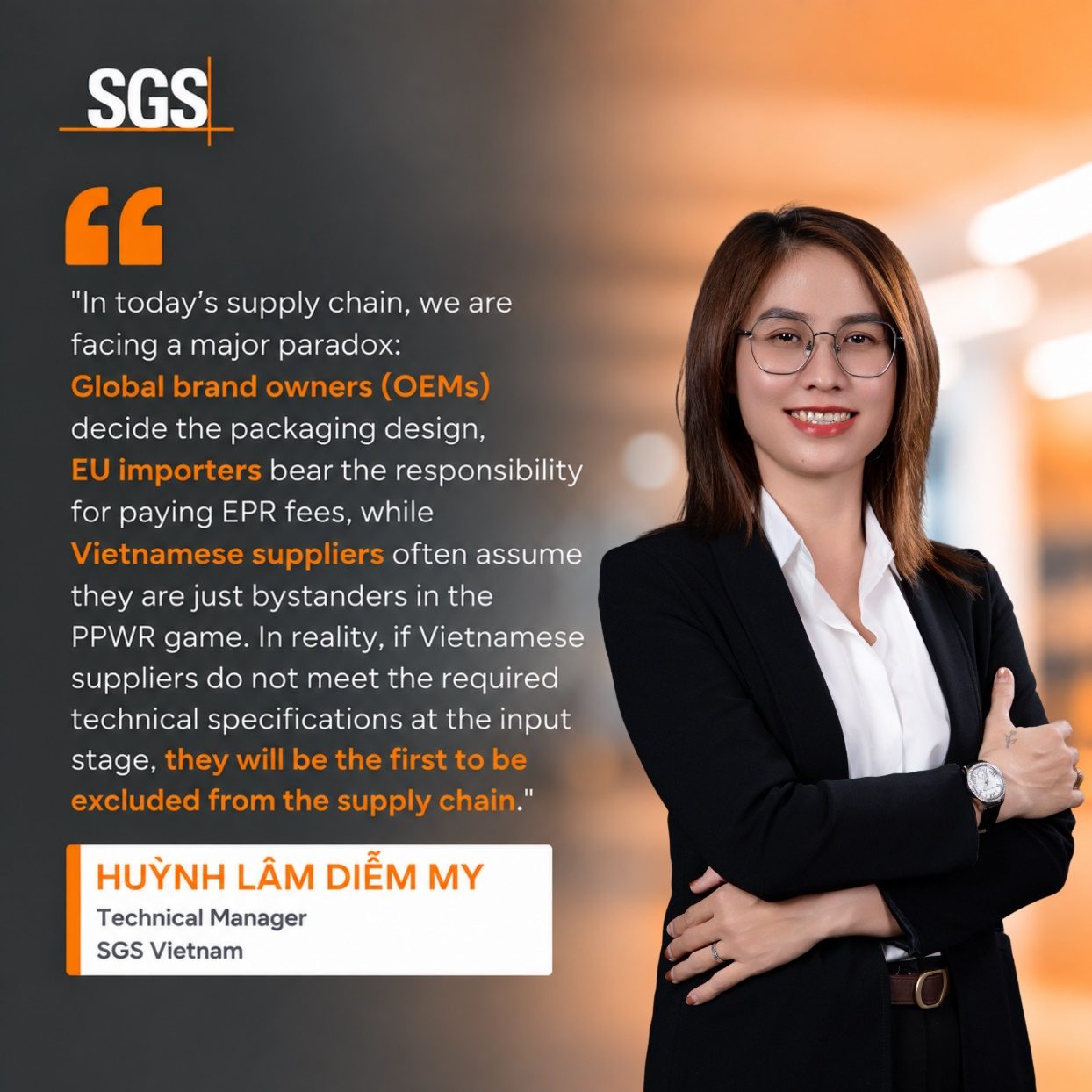
Enterprises can no longer rely solely on traditional advantages as before, under the pressure of production costs and how to obtain an export “passport” when international standards are becoming increasingly strict. Requirements for traceability, material control, emission reduction, recyclability, and extended producer responsibility are gradually becoming mandatory criteria in the supplier evaluation process.

Propak Hanoi 2026: gathering many factors to help expand export pillars

Faced with the urgent need to restructure technology, choosing the right equipment configuration, management software solutions, and reputable supply partners becomes a strategic decision that determines the survival of a business. Amid a myriad of advanced technological machinery, what is the right and optimal choice?

The ProPak Hanoi 2026 event emerges as a crucial technological pivot. Not only gathering many of the world’s leading technology brands in the fields of processing and packaging, serving the food, beverage, pharmaceutical, and many other sectors, the exhibition also opens a visual comparison space for factory leaders to directly evaluate performance, calculate the financial equation of total cost of ownership, and find practical solutions for the goal of reducing costs – increasing profits.

The 2026 export equation: Optimising profits in the processing – packaging industry from the technology race
ProPak Vietnam opening ceremony. Photo courtesy of Propak

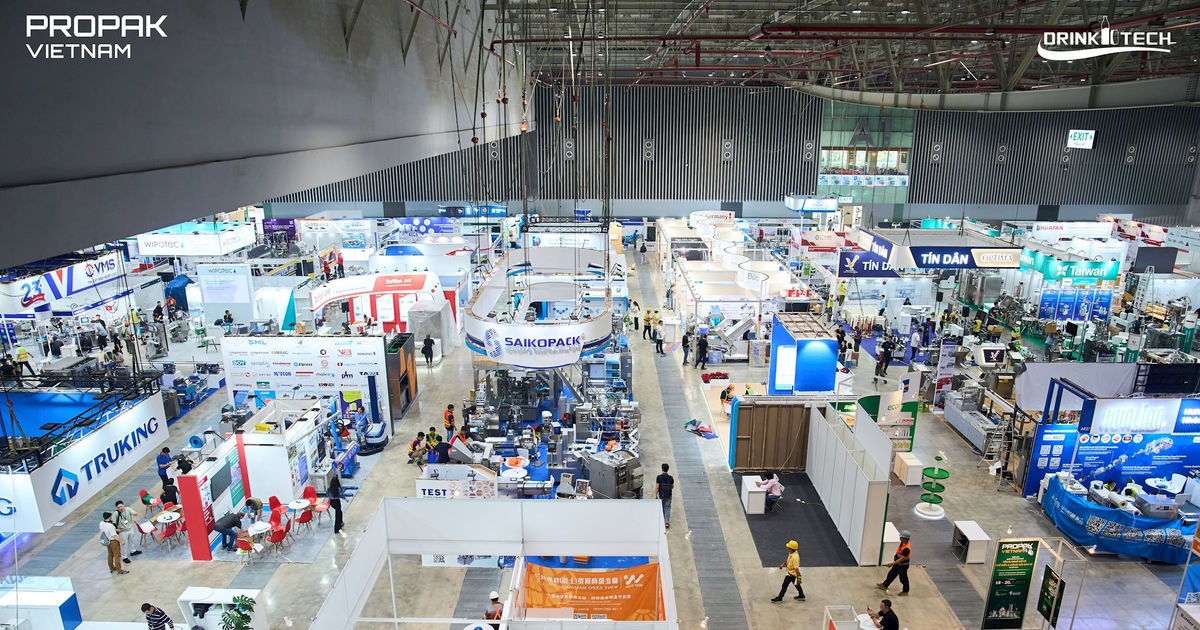
Marking the first time the event is launched in the Northern market, it continues to consolidate its position as the leading exhibition with nearly 20 years of experience in processing and packaging technology in Vietnam, carrying the mission of becoming a convergence point of advanced technologies for domestic enterprises. Propak Hanoi 2026 aims at the mission of being the intersection of advanced technologies from many countries around the world, opening up numerous networking opportunities for domestic and foreign enterprises.

In combination with MTA Hanoi and Semitronic, the exhibition introduces over 300 enterprises from 20 countries and territories across a display area of over 10,000 sq.m and is an ideal networking rendezvous for more than 4000 specialised trade visitors, including the board of management, factory directors, chief engineers, research and development experts, and key positions in the production line. The event also opens up strategic connection opportunities with regulatory agencies, international inspection organisations, and large buyer networks.

The 2026 export equation: Optimising profits in the processing – packaging industry from the technology race
Vibrant exhibition space at ProPak Vietnam Exhibition. Photo courtesy of Propak

The event also brings completely free specialised seminars and courses with international certification, helping enterprises improve their professional qualifications and gain more perspectives from experts.

The exhibition covers many fields from packaging, food processing, and beverage technology to pharmaceuticals, raw materials, logistics, and the cold supply chain, creating conditions for businesses to find partners and expand their markets. Thereby, it facilitates businesses’ access to a variety of technologies, helping to easily compare and evaluate among myriad options, opening up many opportunities in investment and sustainable development.

In the new growth phase, when competition is determined by performance and quick adaptability, the event shows that fast-innovating enterprises will hold a leading advantage, thereby optimising production plans and enhancing competitiveness in the context of constantly changing consumer demand.

Exhibition information:

ProPak Hanoi 2026 – The International Processing and Packaging Exhibition in Vietnam

Time: October 13-15, 2026 (9 am to 5 pm)

Venue: Vietnam Exhibition Centre (VEC), Dong Anh, Hanoi

ProPak debuts in Hanoi with first northern exhibition ProPak debuts in Hanoi with first northern exhibition

Informa Markets Vietnam, in partnership with the Vietnam Industry and Trade Review, on June 25 unveiled ProPak Hanoi 2026, the International Processing, Manufacturing and Packaging Technology Exhibition.

Tetra Pak unveils innovative solutions at Propak Vietnam 2025 Tetra Pak unveils innovative solutions at Propak Vietnam 2025

As the food and beverage (F&B) industry continues to thrive, rising production costs and stringent sustainability standards are driving businesses to innovate and solidify their market position in an increasingly competitive landscape.

ProPak Vietnam 2023 brings new solutions for the processing and packaging industry ProPak Vietnam 2023 brings new solutions for the processing and packaging industry

ProPak Vietnam 2023 is returning from November 8 to 10 at the Saigon Exhibition and Convention Center, promising to bring valuable trading opportunities for both domestic and foreign enterprises in the processing and packaging industries.

Ford appoints Annaliese Atina as managing director of Ford Vietnam
Photo: Ford Motor Company

The appointment was announced on September 24 and will be effective from December 1. Atina, currently managing director of Ford New Zealand, will relocate to Hanoi and report directly to Andrew Birkic, vice president of Sales and Service at Ford International Markets Group.

“Annaliese brings strong commercial leadership, and a real passion for creating better experiences for customers,” said Birkic, “Her energy and understanding of customers and dealers will be invaluable as Ford Vietnam builds on its momentum. I’m delighted to welcome her to the role.”

As an experienced senior executive with more than 20 years’ leadership experience across automotive, fast-moving consumer goods, telecommunications, and technology, Atina brings a strong combination of commercial leadership, strategic thinking, and stakeholder management, with a proven track record of leading businesses through growth and transformation.

Atina joined Ford New Zealand as managing director and executive director in 2024. During her tenure, she led initiatives to strengthen customer experience, dealer performance, and commercial growth, while developing new revenue opportunities and guiding the business through regulatory change and evolving customer expectations.

Prior to Ford, Atina held senior leadership roles with Vodafone New Zealand and Coca-Cola Amatil, leading large-scale customer, sales, and commercial businesses.

Alongside her executive career, Atina has held governance roles across technology and education and is the founder and head coach of the Ambition Collective, supporting the development of future leaders.

“I’m delighted to be joining Ford Vietnam at an important time for the business,” said Atina. “I look forward to working closely with our employees, dealers, and partners to build on the team’s achievements, strengthen the customer experience and ensure Ford continues to deliver products and services that meet the evolving needs of Vietnamese customers.”

Atina succeeds Ruchik Shah, who elected to leave the company to pursue new opportunities.

“Ruchik made an important contribution to Ford Vietnam, and we thank him for his leadership,” said Birkic. “Vietnam is an important market for Ford, and we are confident in the opportunities ahead. With Annaliese’s leadership and the strength of the local team, we will remain focused on serving our customers, supporting our dealers, and delivering sustainable growth in the market.”

Ford Vietnam launches insurance package Ford Vietnam launches insurance package

Ford Vietnam has launched a strategic partnership with Bao Viet Insurance, BSH Insurance, PVI Insurance, and Tasco Insurance.

Vietnam's EV market shifts focus to software and local tech Vietnam’s EV market shifts focus to software and local tech

Vietnam’s electric vehicle market is entering a new stage of development, with the focus expanding beyond vehicle adoption to software, connectivity, and local technology development, according to George Chia, sales director for ASEAN region at Analog Devices, Inc. (ADI).

Vietnam records fastest automotive sales growth among ASEAN-6 markets Vietnam records fastest automotive sales growth among ASEAN-6 markets

Vietnam recorded the fastest automotive sales growth among the ASEAN-6 markets in the first half of 2026, as electrification, more accessible models, and recovering consumer demand continued to reshape the country’s automotive market, according to PwC’s latest report.

BSR signs crude oil purchase framework agreement with ExxonMobil Asia Pacific
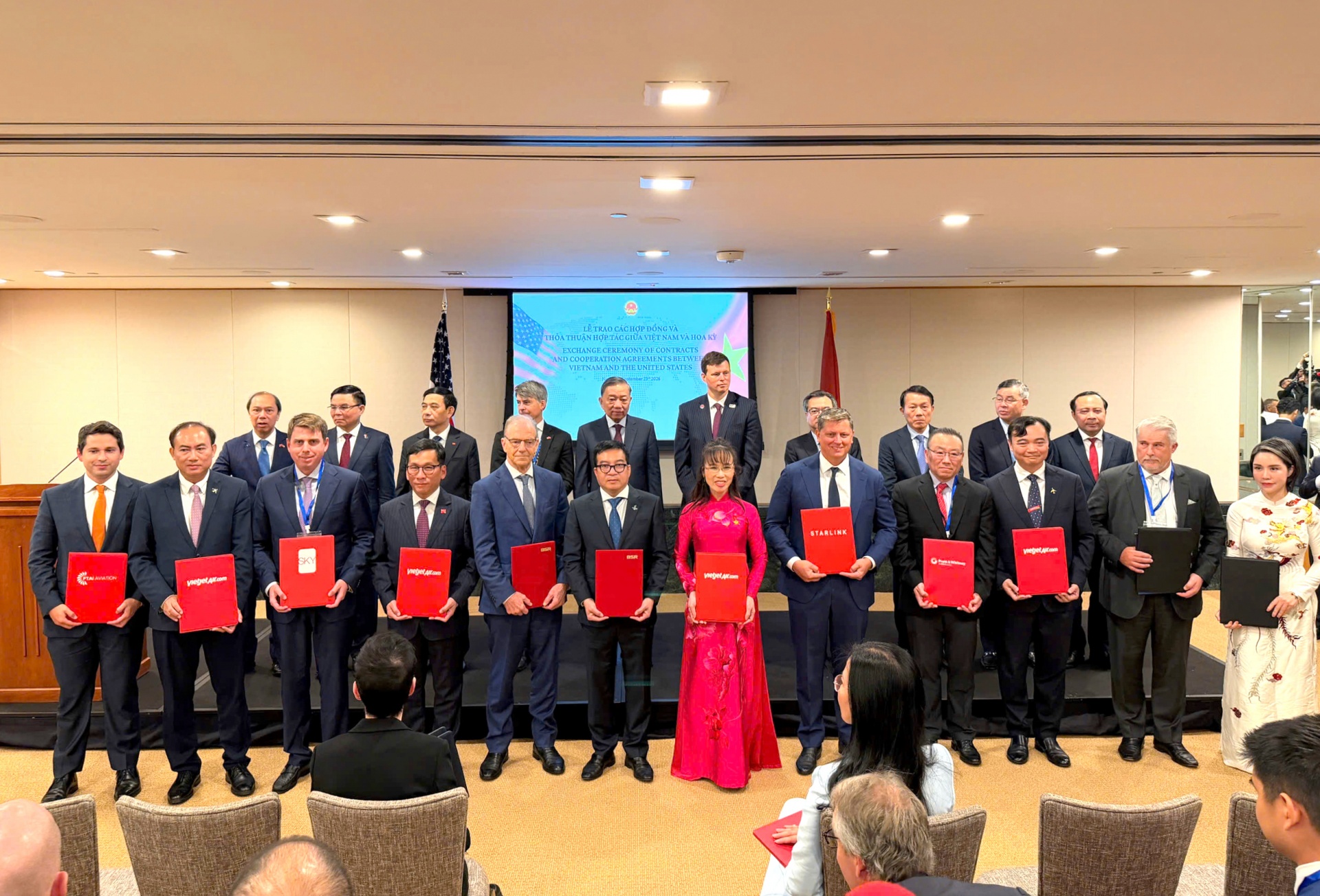
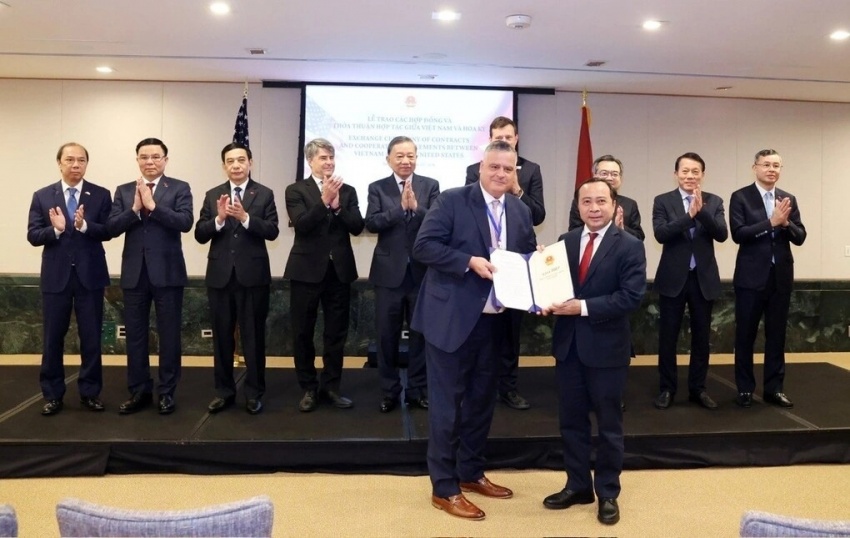
BSR president & CEO Nguyen Viet Thang (sixth from the left, front row) presents the Framework Agreement to representatives of ExxonMobil Asia Pacific. Photo courtesy of BSR

On September 23, Petrovietnam Refining and Petrochemical Corporation exchanged a Framework Agreement for crude oil purchases with ExxonMobil Asia Pacific, opening a new avenue of cooperation in feedstock supply for Dung Quat Refinery.

The signing was witnessed by Party General Secretary and State President To Lam, together with senior leaders of the Party, the state, and the government of Vietnam. It was part of a roundtable with executives from leading US corporations.

The agreement with ExxonMobil Asia Pacific comes as Petrovietnam Refining and Petrochemical Corporation (BSR) accelerates its strategy to diversify crude oil sources, enhance operational flexibility, and strengthen resilience against increasingly unpredictable developments in the global energy market.

Since the beginning of 2026, the corporation has identified, evaluated, and expanded crude oil supply sources from multiple regions worldwide, including the US. BSR has also signed crude oil supply agreements with Chevron to help ensure a stable feedstock supply for the refinery.

A key competitive advantage of Dung Quat Refinery lies in its growing capability to receive and process a wide range of crude oil grades. Since the beginning of 2026, BSR has successfully tested three additional crude oil grades, bringing the total number of crude types that can be processed at the refinery to 40, including 12 domestic grades, and 28 imported grades.

In 2026 alone, BSR mastered the processing technology for Nigeria’s Erha crude at a maximum blending ratio of approximately 45 per cent by volume, and Sao Vang – Dai Nguyet condensate at up to around 12 per cent by volume.

Expanding its crude oil basket gives BSR greater flexibility to select the most suitable feedstock in response to market conditions, while reducing reliance on traditional supply sources. In 2025, Dung Quat Refinery imported approximately 8.28 million tonnes of crude oil, with imported crude accounting for around 31 per cent of total feedstock.

In 2026, to safeguard supply security and respond to geopolitical uncertainties, BSR has prioritised balancing domestic crude oil sources, while maintaining imported crude at approximately 15 per cent, sourced from regions including West Africa, the Mediterranean, and Southeast Asia.

Through the Framework Agreement, BSR continues to expand its network of international crude oil suppliers, creating additional feedstock options for Dung Quat Refinery. The agreement also aligns with the corporation’s strategy to strengthen feedstock security, enhance its ability to respond to oil market volatility, and reinforce the refinery’s operational resilience.

BSR secures three months of crude supply for Dung Quat refinery BSR secures three months of crude supply for Dung Quat refinery

Binh Son Refining and Petrochemical has secured enough crude oil to operate its Dung Quat refinery for the next three months amid Middle East supply disruptions.

BSR steps up research into green hydrogen-based fuels BSR steps up research into green hydrogen-based fuels

As Vietnam advances its energy transition, Binh Son Refining and Petrochemical JSC (BSR) is partnering with the German Development Agency (GIZ) to assess the potential of green hydrogen-based synthetic fuels to support Vietnam’s decarbonisation goals.

BSR seeks $600 million for Dung Quat refinery expansion BSR seeks $600 million for Dung Quat refinery expansion

BSR is seeking $600 million in financing for the Dung Quat Oil Refinery expansion and upgrade project.

Minister of Science and Technology Vu Hai Quan presented the licence to Amazon Kuiper representative on September 23 in New York, in the presence of Party General Secretary and State President To Lam.

According to the licence, Amazon Kuiper Vietnam is authorised to establish a private telecommunications network using satellite transmission to test and verify the operation of customer terminal equipment, thereby evaluating the quality of products manufactured in Vietnam.

Amazon Kuiper licensed for private satellite telecommunications network in Vietnam
Minister of Science and Technology Vu Hai Quan granted the license to Amazon Kuiper. Photo: MST

The network is established by connecting satellite systems with ground infrastructure in Vietnam, operating nationwide. According to regulations, the enterprise must comply with regulations on telecommunications, radio frequencies, technical standards, service quality, and information security.

The licensing provides a basis for Amazon to test equipment manufactured in Vietnam, contributing to the promotion of high-tech industries, expanding supply chains, and strengthening cooperation in developing next-generation connectivity infrastructure.

Amazon Kuiper Vietnam, established in 2024, is Amazon’s legal entity in Vietnam specialising in satellite connectivity. Its Amazon Leo, formerly known as Project Kuiper, is a broadband network utilising over 3,000 low-orbit satellites, aiming to provide high-speed, low-latency connectivity to areas difficult to access by traditional infrastructure.

As part of the working visit to the US, on September 22, Minister Quan met with leaders of major groups, including Anthropic, Amazon, and Oracle. These corporations proposed various areas of cooperation with Vietnam in AI, data centres, supporting digital transformation for businesses, training and developing technology human resources, and exploring the possibility of establishing Centres of Excellence in Vietnam.

Vietnam and China discuss policies to support private-sector growth
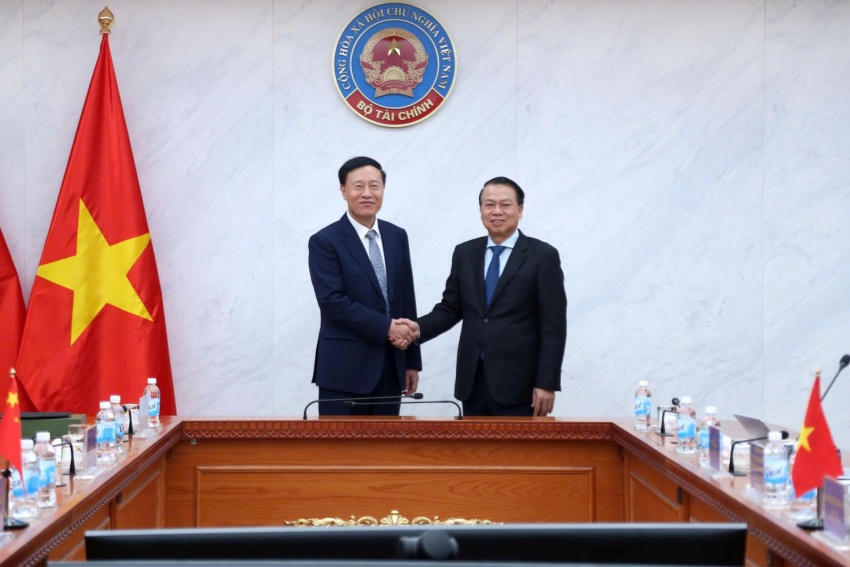
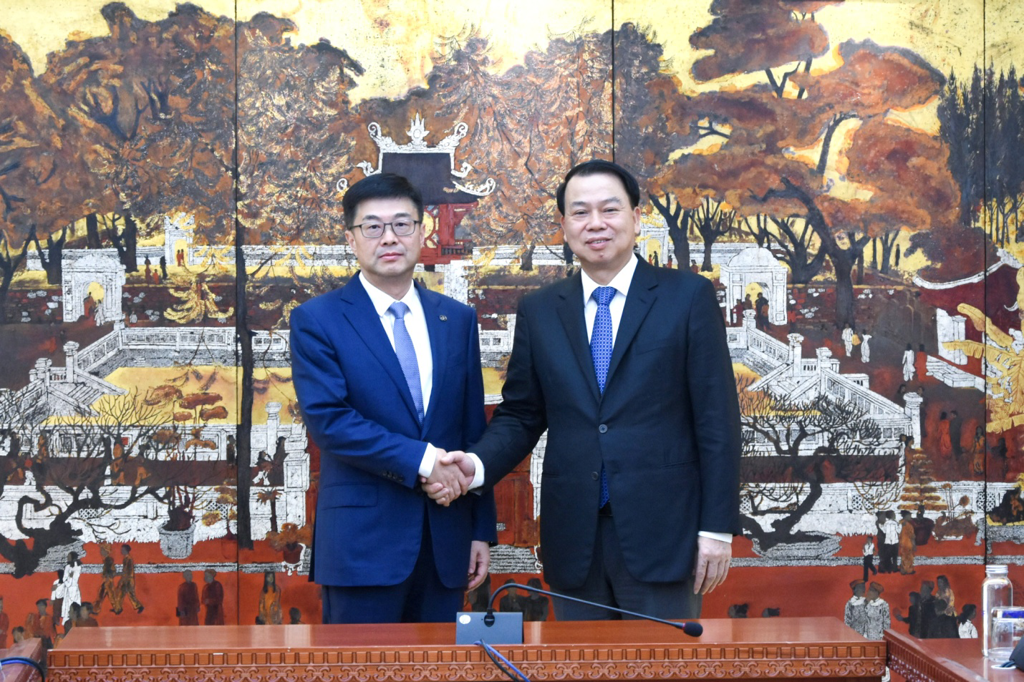
Deputy Minister of Finance Nguyen Duc Chi and Zhao Shitang, Deputy Minister of CPC Central Committee’s Central Social Work Department. Photo: Duc Minh

Deputy Minister Chi warmly welcomed the delegation and highlighted the significance of the visit in learning about Vietnam’s management of the non-state business sector, particularly the registration, management, and operation of private enterprises.

Providing an overview of Vietnam’s domestic economy, the deputy minister said that after nearly 40 years of economic reforms, the business sector has established itself as one of the strategic pillars of the economy.

The private sector currently contributes more than 50 per cent of Vietnam’s GDP, accounts for over 30 per cent of total state budget revenue, and provides employment for more than 82 per cent of the country’s total workforce.

Resolution No.68-NQ/TW of the Politburo on private-sector development identifies the private economy as the most important driving force of the national economy. As of the end of August , Vietnam had more than one million active businesses.

By 2030, Vietnam aims to have two million operating private enterprises nationwide, with the sector’s contribution rising to 55-58 per cent of GDP and around 35-40 per cent of total state budget revenue.

To realise these objectives, the National Assembly and government have moved to institutionalise the policies through key documents, while also revising and supplementing relevant legislation.

The policies focus on creating a more open and transparent investment and business environment, enabling the non-state sector to participate in major national projects, and mobilising financial resources, particularly to support the stronger development of small and medium-sized enterprises.

At the meeting, representatives of MoF’s Department of Private Enterprise and Collective Economy Development provided a detailed presentation on the legal framework, state management, and policy orientations aimed at encouraging Vietnam’s private sector.

Vietnam and China discuss policies to support private-sector growth
Photo: Duc Minh

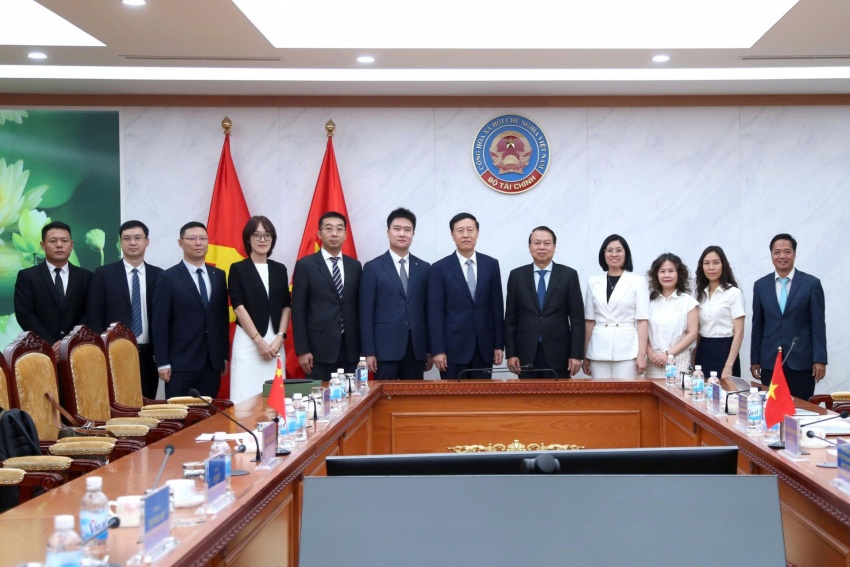
Deputy Minister Shitang said the delegation had studied Vietnam’s development plans for 2026-2030, giving it a deeper understanding of the workload and important tasks being undertaken by Vietnam’s finance sector.

The Chinese delegation particularly highlighted the important role of foreign-invested enterprises, including Chinese businesses, in Vietnam’s economy. Chinese investors regard Vietnam as a key strategic destination, with their presence extending from southern areas around Ho Chi Minh City to northern provinces such as Bac Giang and Bac Ninh.

The Chinese side expressed confidence that, with the investment environment continuing to improve and with practical support from the Vietnamese government and the MoF, investment flows from China would continue to increase strongly in the coming period.

Deputy Minister Chi wished China success in hosting the APEC Economic Leaders’ Meeting scheduled for November. The two sides also acknowledged the traditional friendship and effective cooperation between Vietnam and China across the political, economic, and trade spheres. Given the two countries’ geographical proximity, bilateral economic ties are expected to become increasingly close and supportive.

He agreed with the proposal to establish a closer channel for exchanges and cooperation between CPC Central Committee’s Social Work Department and Vietnam’s MoF.

He added that the period leading up to 2030 would bring significant challenges. Vietnam is determined to make every effort to achieve its targets, while viewing greater sharing of experience in managing social organisations and businesses as a practical step towards strengthening the comprehensive strategic cooperative partnership.

Businesses propose fresh growth drivers for second-half GDP expansion Businesses propose fresh growth drivers for second-half GDP expansion

The local business community has proposed regulatory and financial reforms, including an FDI-linked sandbox and a small- and medium sized enterprise digital bank, to help accelerate GDP growth in the second half of 2026.

SME sector shows resilience, but growth remains uneven SME sector shows resilience, but growth remains uneven

After a period of significant market shakeout, Vietnam’s small and medium-sized enterprise (SME) landscape has become increasingly differentiated.

China Eximbank prioritises financing for Lao Cai-Haiphong railway China Eximbank prioritises financing for Lao Cai-Haiphong railway

On August 27, Deputy Minister of Finance Nguyen Duc Chi held talks with a delegation from the Export-Import Bank of China (China Eximbank) on financing options for the Lao Cai-Haiphong railway and opportunities to expand financial cooperation between the two sides.